
Understanding Sleep and Its Importance
Sleep is a natural, recurring state of mind characterized by altered consciousness, inhibited sensory activity, and inhibition of voluntary muscles. It plays a crucial role in maintaining both physical and mental health. During sleep, the body undergoes various biological processes that are essential for restoring energy, repairing tissues, and consolidating memories. These processes significantly contribute to overall well-being.
Thank you for reading this post, don't forget to subscribe!Sleep is divided into different stages, primarily categorized into REM (rapid eye movement) and NREM (non-rapid eye movement) sleep. NREM sleep consists of three stages—stage one is light sleep, stage two is where the heart rate slows and body temperature drops, and stage three is deep sleep, critical for physical restoration. REM sleep, characterized by dreams, plays an essential role in cognitive functions such as learning and emotional regulation. This cycle of sleep stages is repeated multiple times throughout the night, with each cycle lasting about 90 minutes.
The average sleep needs can vary significantly based on age. For instance, newborns require 14 to 17 hours of sleep each day, while children aged 6 to 13 need about 9 to 11 hours. Meanwhile, teenagers typically require 8 to 10 hours, and adults should aim for 7 to 9 hours of quality sleep. Insufficient sleep can lead to a multitude of consequences, including impaired cognitive function, weakened immunity, and increased risk for mental health disorders such as anxiety and depression.
Understanding the importance of sleep and recognizing the signs of sleep deprivation are critical steps in promoting mental wellness. By prioritizing sleep hygiene and addressing sleep-related issues, individuals can enhance their well-being and improve their quality of life.
The Impact of Sleep on Mental Health
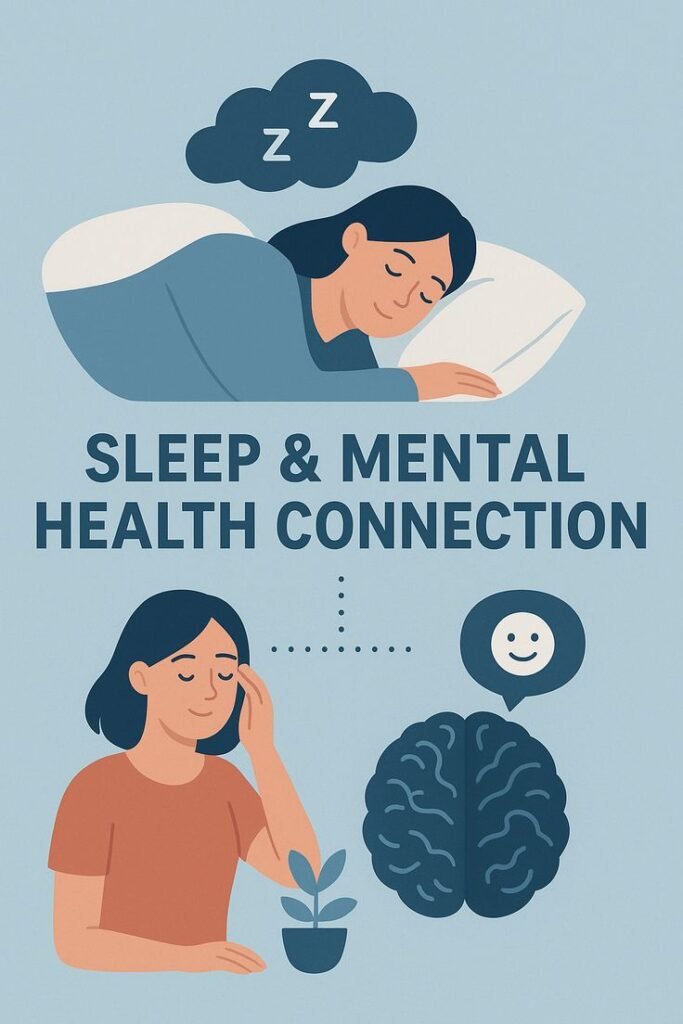
The relationship between sleep and mental health is profound and multifaceted. Research indicates that poor sleep patterns can significantly exacerbate various mental health conditions, including anxiety, depression, and stress. Individuals suffering from insomnia or interrupted sleep often experience heightened levels of these mental health issues. This correlation suggests that the quality and quantity of sleep play a critical role in emotional regulation and overall psychological well-being.
Studies have demonstrated that insufficient sleep can lead to an increase in symptoms of anxiety and depression. For instance, a lack of restorative sleep may impair an individual’s ability to cope with stressors, making them more susceptible to feelings of despair or panic. Conversely, mental health disorders can disrupt sleep, creating a cycle in which poor sleep worsens mental health, and declining mental health, in turn, further diminishes sleep quality. This bidirectional nature poses significant challenges for treatment and emphasizes the need to address both sleep and mental health in a comprehensive manner.
The impact of sleeplessness on emotional health is underscored by the body’s natural circadian rhythms and the restorative processes that occur during sleep. Hormones related to mood regulation, such as serotonin, are affected by sleep disturbances, leading to an imbalance that can manifest as anxiety or depressive symptoms. Furthermore, individuals experiencing stress may find it increasingly difficult to achieve a restful night’s sleep, resulting in a cycle that can be difficult to break. This interconnectedness between sleep and mental wellness highlights the importance of prioritizing healthy sleep patterns as part of any mental health care strategy.
Improving Sleep Quality for Better Mental Wellness
Enhancing sleep quality is essential for promoting better mental wellness. A good night’s sleep supports cognitive function, emotional regulation, and overall psychological health. To achieve this, individuals can implement several practical strategies aimed at creating a conducive sleep environment and fostering healthy sleeping habits.
First and foremost, establishing a consistent sleep routine can significantly improve sleep quality. By going to bed and waking up at the same time each day, the body can regulate its internal clock, making it easier to fall asleep and wake up refreshed. Limiting exposure to screens at least one hour before bedtime is also crucial, as the blue light emitted by devices can interfere with the production of melatonin, the hormone responsible for sleep.
In addition to routine, the sleeping environment plays a critical role in sleep quality. A dark, quiet, and cool room can create an optimal sleeping atmosphere. Using blackout curtains, earplugs, or a white noise machine can help mitigate distractions that may disrupt sleep. Furthermore, investing in a comfortable mattress and pillows tailored to individual preferences can greatly enhance sleep comfort.
Lifestyle changes also contribute to better sleep. Regular physical activity is known to promote deeper sleep; however, it is advisable to finish exercising at least a few hours before bedtime to avoid increased alertness. Additionally, dietary choices impact sleep quality, with foods rich in magnesium, such as leafy greens and nuts, being beneficial. Reducing caffeine and alcohol intake, particularly in the hours leading up to sleep, can further aid in fostering a restful night’s sleep.
Finally, managing stress through mindfulness practices, such as meditation or deep-breathing exercises, can help calm the mind, making it easier to drift into sleep. By incorporating these strategies into daily routines, individuals can significantly enhance their sleep quality, thus promoting better mental wellness overall.
The Role of Professional Help in Managing Sleep and Mental Health
Ensuring a healthy relationship between sleep and mental wellness often requires the involvement of professional help. Individuals experiencing chronic sleep issues or mental health disorders should consider seeking assistance from qualified healthcare providers. Nevertheless, recognizing the right time to initiate this pursuit can be challenging.
Healthcare professionals such as psychiatrists, psychologists, and sleep specialists can play crucial roles in diagnosing and treating sleep disorders and their connections to mental health. Psychiatrists are able to prescribe medications that may alleviate various mental health issues, whereas psychologists can provide psychotherapy options tailored to the individual’s needs. Additionally, sleep specialists focus specifically on sleep disorders and can conduct assessments to identify problems such as sleep apnea or insomnia.
Cognitive Behavioral Therapy for Insomnia (CBT-I) is one effective approach that can be introduced through these professionals. CBT-I has proven successful in treating insomnia by altering the behaviors and thoughts that contribute to sleep difficulties. Unlike medications, which may have side effects and potential dependency issues, CBT-I offers a more sustainable, long-term solution. Furthermore, embracing a holistic approach that recognizes the intertwined nature of sleep and mental health is essential. Treating one without the other may lead to suboptimal outcomes.
Moreover, professionals can educate individuals on sleep hygiene practices and lifestyle adjustments, reinforcing the importance of a well-rounded approach. Addressing mental wellness through therapeutic techniques and treating sleep disorders concurrently can enhance overall health. In conclusion, when navigating sleep-related issues and mental health challenges, embracing professional help is crucial for effective management and improvement of both conditions. Seeking timely intervention can empower individuals to restore their sleep quality and mental wellness.

