
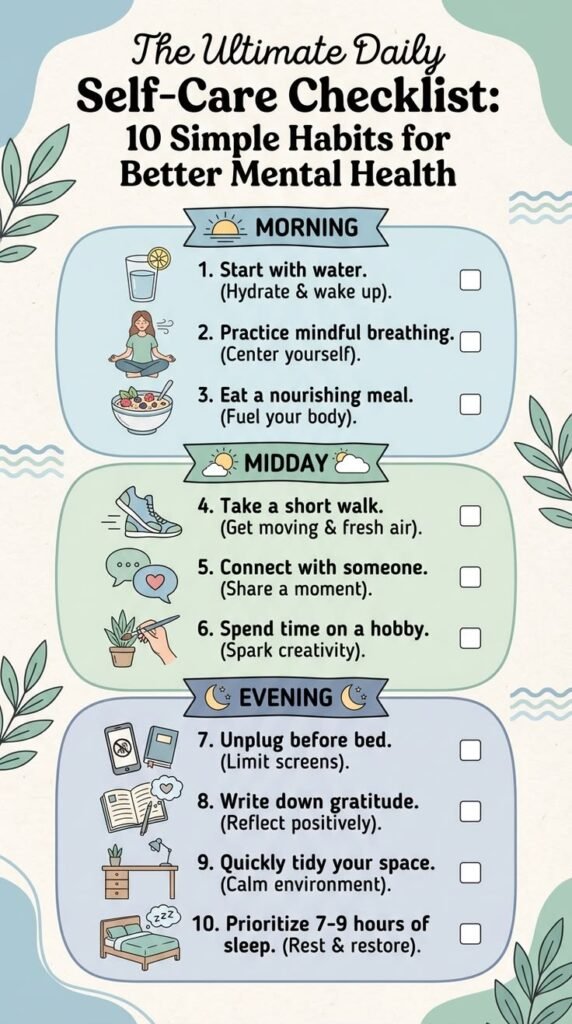
Understanding Self-Care and Mental Health
Self-care refers to the deliberate actions individuals take to maintain or improve their own health and well-being. This concept encompasses a wide range of activities that enhance physical, emotional, and mental health. In recent years, the significance of self-care has been increasingly recognized, particularly concerning its impact on mental health. Engaging in self-care practices is vital for creating a balanced lifestyle, fostering resilience, and managing the stresses of everyday life.
Thank you for reading this post, don't forget to subscribe!Mental health, on the other hand, encompasses our emotional, psychological, and social well-being. It affects how we think, feel, and act, and it is instrumental in how we handle stress, relate to others, and make choices. Establishing a strong link between self-care and mental health is crucial, as neglecting self-care can lead to increased stress levels, anxiety, and depression.
Self-care can take various forms, ranging from physical activities such as exercise and proper nutrition to emotional practices like mindfulness, therapy, and hobbies. Each individual’s self-care routine may differ, depending on personal needs and preferences. For instance, some may find solace in artistic expression, while others may benefit from social interactions or quiet reflection. The diversity of self-care methods highlights its customized nature, making it accessible for everyone.
Incorporating self-care into daily life is essential for enhancing emotional wellbeing. Regularly engaging in self-care habits offers a buffer against the adversities of life, ensuring that individuals have the psychological resilience needed to cope with challenges effectively. By prioritizing self-care, people can cultivate a healthier relationship with themselves, ultimately improving their mental health and leading to a more fulfilling life.
Habit 1: Regular Physical Activity
Engaging in regular physical activity is a fundamental self-care practice that significantly bolsters mental health. When individuals participate in exercise, the body releases endorphins, which are often referred to as “feel-good” hormones. These endorphins play a pivotal role in reducing perceptions of pain and stress, ultimately enhancing overall mood. Various studies have demonstrated that regular engagement in physical activity can lead to noticeable improvements in anxiety and depression levels, making it a vital component of mental wellness.
To effectively incorporate physical activity into daily life, individuals should consider setting attainable and realistic fitness goals. Whether it involves taking a brisk walk during lunch breaks, engaging in yoga sessions at home, or participating in group sports, the key is to find activities that are both enjoyable and motivating. Additionally, it is beneficial to diversify exercise routines to keep them engaging—options may include cycling, swimming, dancing, or weight training, catering to all fitness levels.
Moreover, establishing a consistent exercise schedule can enhance commitment and make physical activity a habitual part of life. Individuals are encouraged to dedicate at least 30 minutes a day to moderate-intensity exercise, spread throughout the week, while gradually increasing duration and intensity in alignment with personal progress. The link between physical health and mental clarity is also noteworthy, as regular exercise not only supports a healthy body but also fosters improved cognitive function and emotional resilience. In nurturing both physical and mental health, exercise serves as a powerful ally in one’s self-care journey.
Habit 2: Mindfulness and Meditation
Mindfulness and meditation are powerful self-care techniques that can significantly enhance mental health. Practicing mindfulness involves being present in the moment, observing thoughts, feelings, and sensations without judgment. This state of awareness can reduce stress and anxiety, leading to a calmer and more balanced mindset. Research shows that engaging in mindfulness exercises can promote emotional regulation, making it easier to manage overwhelming feelings.
Meditation, often described as a focused form of mindfulness, can provide additional benefits for mental well-being. Regular meditation practice has been linked to decreased anxiety levels, improved concentration, and an overall sense of relaxation. By dedicating time to meditation, individuals can cultivate a greater sense of self-awareness and clarity in their thoughts, which can help in coping with life’s challenges more effectively.
To begin a mindfulness practice, one can start with simple exercises. A common technique is the “5-4-3-2-1” method. This involves identifying five things you can see, four you can touch, three you can hear, two you can smell, and one you can taste. By focusing on these sensory experiences, you can ground yourself in the present moment and alleviate racing thoughts.
For those interested in meditation, numerous resources are available. Guided meditation apps and online platforms offer a variety of sessions that cater to different preferences and time commitments. Starting with just a few minutes each day can make a substantial difference, allowing individuals to gradually build their practice.
Incorporating mindfulness and meditation into your daily routine can transform your approach to self-care. By dedicating time to connect with the present, you are investing in your mental health and overall well-being.
Habit 3: Establishing Healthy Boundaries
Establishing healthy boundaries is a crucial self-care practice that directly impacts mental health. In personal and professional relationships, boundaries serve as a protective mechanism, allowing individuals to maintain their emotional well-being. Understanding and articulating one’s limits can prevent burnout and reduce stress levels. This process begins with self-awareness; individuals should reflect on what feels comfortable or uncomfortable in their interactions with others.
It is essential to recognize that saying ‘no’ does not equate to being unkind or unwilling. Rather, it emphasizes the importance of prioritizing one’s own needs and mental health. When individuals communicate their boundaries effectively, they foster an environment of respect in relationships. To do this, it is necessary to express feelings without aggression or defensiveness. Using ‘I’ statements can help in articulating personal limits, making it clear that these boundaries are rooted in personal needs rather than the actions of others.
Identifying where personal boundaries lie can also be facilitated through assessing emotional reactions during interactions. Feelings of discomfort, anxiety, or resentment may indicate that boundaries have been crossed. Keeping a journal or engaging in therapy can aid in clarifying these emotional responses and help define what boundaries need to be established.
Ultimately, the practice of setting healthy boundaries contributes significantly to improved mental health. By protecting oneself from undue stress and emotional turmoil, individuals create a safer psychological space. This leads to healthier relationships, as both parties are likely to feel more respected and secure. A commitment to defining and maintaining boundaries not only enhances personal well-being but also serves to build stronger and more meaningful connections with others.

