
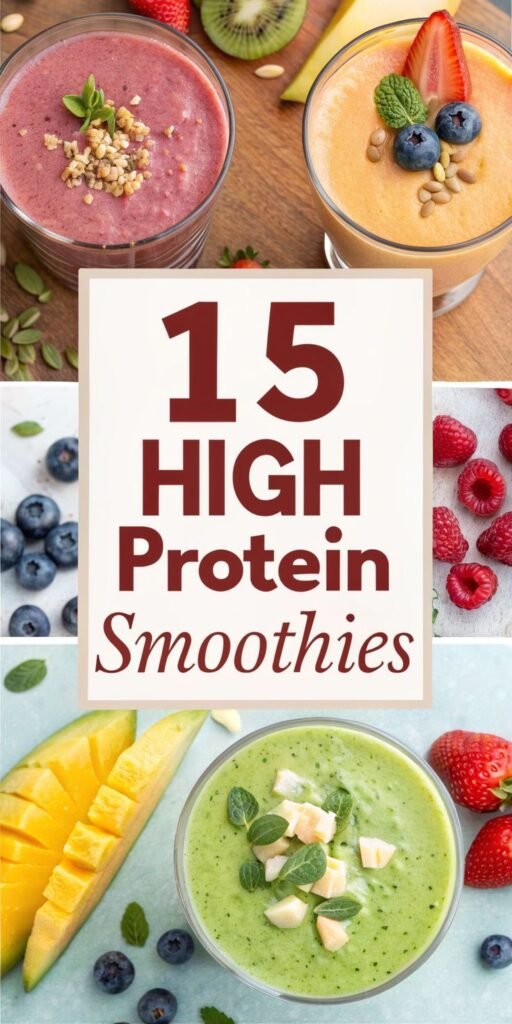
Introduction to High-Protein Smoothies
High-protein smoothies have gained popularity as an effective means of enhancing one’s breakfast routine. These nutrient-dense beverages are not only convenient but also provide several health benefits, making them an excellent addition to your daily diet. Incorporating protein into your morning meal can significantly boost your energy levels, helping you face the day with vigor and enthusiasm.
One of the primary advantages of high-protein smoothies is their role in muscle recovery. For those who engage in regular workouts or strenuous physical activities, consuming sufficient protein is crucial for repairing muscle tissue. By starting your day with a smoothie rich in protein, you are giving your body the nutrients it requires to recover and grow stronger. Various protein sources such as Greek yogurt, protein powders, and nut butters can be easily blended into your smoothies, enhancing their nutritional profile.
Weight management is another significant benefit associated with high-protein smoothies. Protein is known for its satiating properties, helping you feel full for longer periods. This can reduce the likelihood of unhealthy snacking and contribute to better weight control. In a fast-paced world, where time is often limited, smoothies offer a quick and simple option for those looking to monitor their calorie intake while ensuring they meet their protein requirements for the day.
Additionally, high-protein smoothies can be tailored to include a multitude of ingredients, providing variety to your diet. From fruits and vegetables to seeds and superfoods, the possibilities are endless. This versatility ensures that you can craft smoothies that cater to your specific taste preferences and dietary needs.
In conclusion, incorporating high-protein smoothies into your breakfast regimen is a smart and effective way to boost energy, support muscle recovery, and assist with weight management. By understanding the importance of protein in your diet and leveraging the convenience of smoothies, you can effortlessly achieve your daily nutritional goals while enjoying a delicious treat.
Top Ingredients for Protein-Packed Smoothies
Creating high-protein smoothies is an excellent way to fuel your body, especially at the start of the day. When selecting ingredients, focus on those that are rich in protein while also offering essential nutrients. Here are some top ingredients to consider for your protein-packed smoothies:
Greek Yogurt: A staple in many smoothies, Greek yogurt is not only thick and creamy but also packed with protein and probiotics. One serving can provide around 10 grams of protein, making it a perfect base for your smoothie. Look for plain varieties to avoid added sugars.
Protein Powder: Various types of protein powder, such as whey, casein, or plant-based options, can augment the protein content significantly. When choosing a protein powder, opt for brands with minimal added sugars and a clean ingredient list. This can help maintain overall nutritional quality while enhancing the smoothie’s protein profile.
Nut Butters: Almond butter, peanut butter, and other nut butters add a rich, creamy texture along with healthy fats and protein. Just two tablespoons can contribute around 7-8 grams of protein. Choose natural nut butters that contain only nuts and salt for the best health benefits.
Seeds: Ingredients such as chia seeds, flaxseeds, and hemp seeds are nutritional powerhouses rich in protein and healthy omega-3 fatty acids. For example, two tablespoons of hemp seeds can provide around 10 grams of protein. These seeds can also help thicken your smoothie, offering added texture.
Milk Alternatives: Dairy milk is an excellent source of protein, but there are many nut and plant-based milks available that can also contribute to your smoothie’s protein content. Options like soy milk typically contain a higher protein content compared to almond or coconut milk. Always check the nutrition label to ensure you choose ones fortified with additional vitamins and minerals.
Combining these ingredients thoughtfully will not only enhance the protein profile but also optimize the overall nutrition of your smoothie. Focus on balancing flavors and textures to create a delicious and satisfying drink.
15 High-Protein Smoothie Recipes
Starting your day with a high-protein smoothie can provide a nutritious boost and keep you energized. Here is a curated list of 15 delicious high-protein smoothie recipes, complete with brief descriptions, main ingredients, protein content, and customization suggestions.
1. Berry Banana Protein Smoothie
Main Ingredients: Mixed berries, banana, Greek yogurt, almond milk.
Protein Content: 20g.
Customization: Add a scoop of protein powder for additional protein and a tablespoon of flaxseeds for fiber.
2. Chocolate Peanut Butter Smoothie
Main Ingredients: Cocoa powder, peanut butter, banana, almond milk.
Protein Content: 22g.
Customization: Swap peanut butter for almond butter or add a handful of spinach for extra nutrients.
3. Tropical Green Smoothie
Main Ingredients: Spinach, pineapple, banana, coconut water.
Protein Content: 15g.
Customization: Use Greek yogurt instead of coconut water for increased protein.
4. Vanilla Almond Protein Shake
Main Ingredients: Almond milk, vanilla protein powder, almonds, cinnamon.
Protein Content: 25g.
Customization: Add chia seeds for omega-3 fatty acids and increased thickness.
5. Mocha Coffee Protein Smoothie
Main Ingredients: Brewed coffee, banana, protein powder, almond milk.
Protein Content: 22g.
Customization: Use decaffeinated coffee and add a tablespoon of cocoa for richness.
6. Mango Chia Protein Smoothie
Main Ingredients: Mango, Greek yogurt, chia seeds, coconut milk.
Protein Content: 21g.
Customization: Blend in some spinach for color and added nutrients.
7. Almond Joy Smoothie
Main Ingredients: Almond milk, cocoa powder, almond butter, coconut flakes.
Protein Content: 23g.
Customization: Add a scoop of casein protein for prolonged nourishment.
8. Blueberry Oatmeal Smoothie
Main Ingredients: Blueberries, rolled oats, Greek yogurt, almond milk.
Protein Content: 19g.
Customization: Incorporate flaxseed meal for added fiber and nuttiness.
9. Pumpkin Spice Protein Smoothie
Main Ingredients: Pumpkin puree, spices (cinnamon, nutmeg), Greek yogurt, almond milk.
Protein Content: 18g.
Customization: Add a scoop of protein powder to enhance protein content.
10. Strawberry Avocado Smoothie
Main Ingredients: Strawberries, avocado, Greek yogurt, almond milk.
Protein Content: 20g.
Customization: Add a teaspoon of honey for extra sweetness if desired.
11. Peanut Butter Banana Smoothie
Main Ingredients: Peanut butter, banana, soy milk, powder protein.
Protein Content: 24g.
Customization: Mix in some cacao nibs for added texture and flavor.
12. Chocolate Mint Protein Shake
Main Ingredients: Chocolate protein powder, mint extract, almond milk, spinach.
Protein Content: 22g.
Customization: Use fresh mint leaves for an invigorating taste.
13. Papaya Kiwi Smoothie
Main Ingredients: Papaya, kiwi, coconut milk, Greek yogurt.
Protein Content: 18g.
Customization: Toss in some hemp seeds for additional protein.
14. Raspberry Coconut Smoothie
Main Ingredients: Raspberries, coconut yogurt, coconut water, spinach.
Protein Content: 17g.
Customization: Blend with a scoop of plant-based protein for consistency.
15. Green Protein Power Smoothie
Main Ingredients: Kale, apple, banana, protein powder, almond milk.
Protein Content: 25g.
Customization: Add a tablespoon of nut butter for creaminess.
These high-protein smoothie recipes provide a wide range of flavors and nutrients, making them perfect for various dietary preferences. Experiment with different ingredients to find your favorite combination.
Tips for Making the Perfect Smoothie
Creating a perfect smoothie involves a delicate balance of flavors, textures, and nutritional benefits. Achieving the right consistency is key; a smooth, creamy texture can be accomplished by blending ingredients in the correct order. Start with liquids, such as milk or yogurt, as this helps to create a base for the solid ingredients. Follow with soft items, like bananas and avocados, before adding harder ingredients like frozen fruits or ice. This layering technique ensures even blending and prevents any chunky bits from appearing.
When it comes to flavor, balancing sweetness and acidity will enhance the taste of your smoothie. For sweetness, consider adding natural sweeteners like honey or dates, but remember to keep it subtle; your fruits should provide most of the necessary sweetness. Incorporating citrus, such as oranges or lemons, can add a refreshing zing that complements the natural sugars of your ingredients. Additionally, incorporating a variety of fruits can lead to an exciting burst of flavor in each sip.
Nutrient densification is another aspect worth considering. Adding greens like spinach or kale boosts the nutritional profile without compromising flavor. Superfoods, such as chia seeds or spirulina, can also be excellent supplements to provide additional health benefits. These ingredients can contribute important vitamins and minerals, making your smoothie not only delicious but also a powerhouse of nutrition.
In terms of equipment, investing in a high-quality blender can make a significant difference in the outcome of your smoothie. A blender with strong blades will ensure a silky-smooth consistency. For meal prep, consider pre-portioning your ingredients in zipper bags or containers, allowing for quick assembly during busy mornings. Store these bags in the freezer to keep your fruits at their best without losing flavor or nutrition. Making smoothies can be simple and enjoyable by leveraging these tips, turning it into an easy addition to your daily routine.