
Understanding Inflammation and Its Impact on Health
Inflammation is a complex biological response triggered by the immune system in reaction to harmful stimuli, such as pathogens, damaged cells, or irritants. It can be categorized into two types: acute and chronic. Acute inflammation is a short-term response, serving as a protective mechanism that resolves quickly and is essential for healing. For example, when you cut your finger, the area may become swollen and red as the body works to repair the damage. Chronic inflammation, on the other hand, persists over a longer duration and can lead to significant health complications.
Thank you for reading this post, don't forget to subscribe!Chronic inflammation is particularly concerning as it can contribute to the development of various diseases, including arthritis, heart disease, diabetes, and even cancer. In this prolonged state, the body’s immune response remains activated, leading to a gradual deterioration of healthy tissues. This ongoing damage can impair the body’s functionality, significantly lowering the quality of life for affected individuals.
The interplay between chronic inflammation and these diseases is multifaceted. For instance, in conditions like rheumatoid arthritis, the immune system mistakenly attacks the body’s own tissues, resulting in painful inflammation and joint damage. Similarly, studies indicate that chronic inflammation may play a role in the formation of atherosclerosis, where arteries become narrowed and hardened, increasing the risk of heart attack and stroke.
Managing inflammation effectively is crucial for maintaining overall health. An increasingly popular approach involves dietary and lifestyle changes that can help reduce inflammatory markers in the body. The consumption of anti-inflammatory foods, rich in antioxidants and omega-3 fatty acids, is known to bolster the body’s defenses against inflammation. Understanding the different types of inflammation and their impact on health is pivotal for individuals aiming to enhance their well-being.
Top Anti-Inflammatory Foods to Include in Your Diet
Incorporating anti-inflammatory foods into your diet is essential for maintaining overall health and wellness. A variety of foods are known for their anti-inflammatory properties, each offering unique benefits that contribute to a reduction in inflammation in the body.
Fatty fish, such as salmon, mackerel, and sardines, are rich in omega-3 fatty acids, which have been extensively studied for their potent anti-inflammatory effects. These healthy fats not only support heart health but also play a crucial role in decreasing inflammation levels in the body. Including fatty fish in your meals two to three times a week can provide substantial health benefits.
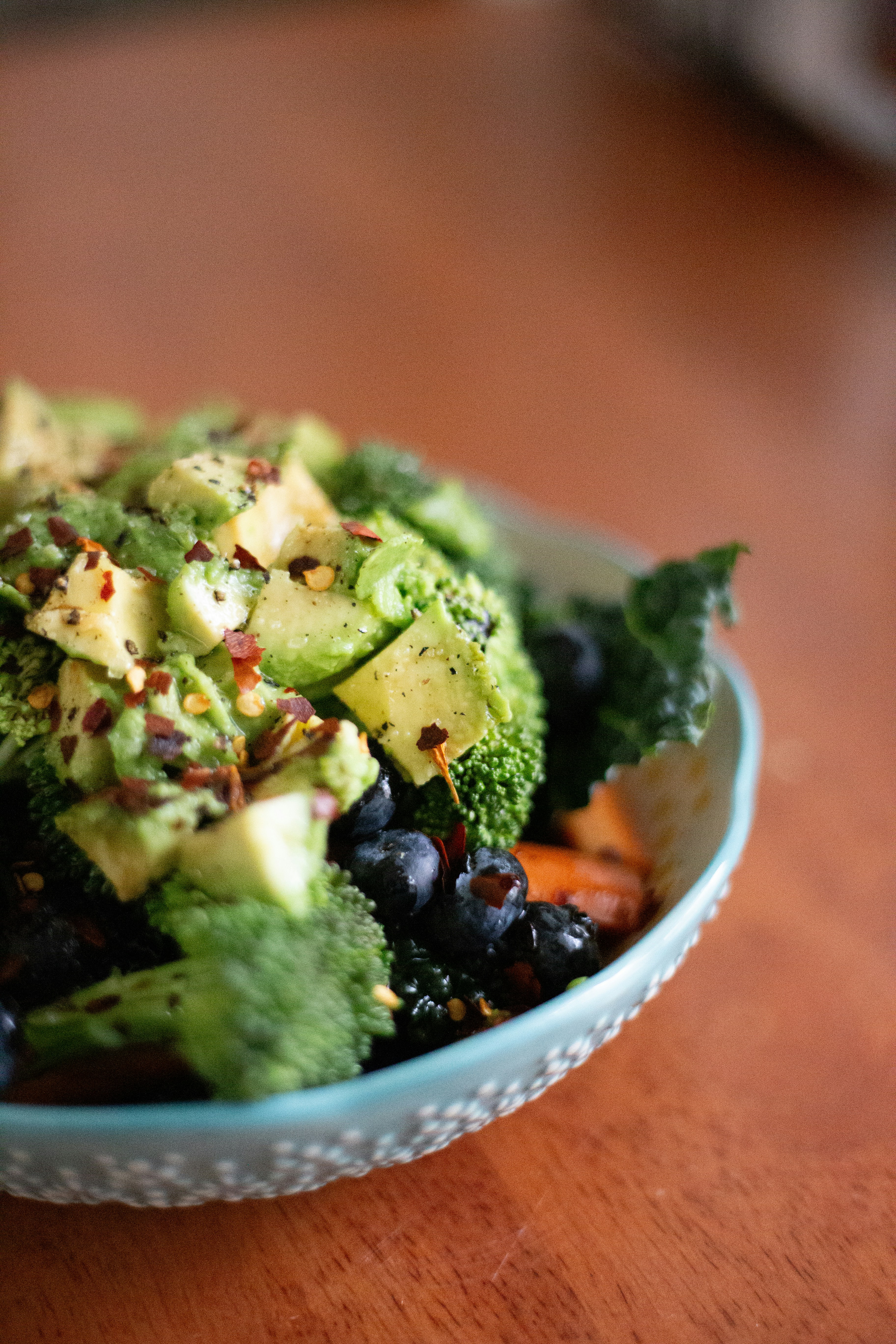
Berries, particularly blueberries and strawberries, are another excellent addition to an anti-inflammatory diet. These fruits are packed with antioxidants and vitamins, notably vitamin C, and they provide a powerful boost to the immune system. Their high content of flavonoids helps protect against oxidative stress and inflammation. Enjoying a handful of berries as a snack or adding them to smoothies can easily increase your intake.
Nuts, such as walnuts and almonds, are beneficial due to their healthy fat content and antioxidants. They are known to lower the levels of inflammatory markers in the body. A small handful of nuts can serve as a nutritious snack or a satisfying topping for salads and yogurt.
Olive oil, particularly extra virgin olive oil, contains oleocanthal, which has similar effects as non-steroidal anti-inflammatory drugs. Incorporating olive oil into salad dressings or using it in cooking can promote cardiovascular health while reducing inflammation.
Lastly, spices like turmeric and ginger are notable for their anti-inflammatory compounds. Curcumin, the active ingredient in turmeric, has been shown to inhibit inflammatory pathways. Incorporating these spices into dishes not only enhances flavor but also provides significant health advantages. Regular use can lead to a marked decrease in inflammation-related issues.
By consciously adding these foods to your daily meals, you can harness their natural anti-inflammatory properties, supporting your overall health and well-being.
Meal Ideas and Recipes Featuring Anti-Inflammatory Ingredients
Incorporating anti-inflammatory foods into daily meals can be both delightful and beneficial for overall health. Here are some practical meal ideas and easy-to-follow recipes that emphasize the use of such ingredients.
Breakfast Ideas: Start your day with a nourishing smoothie made from spinach, avocado, bananas, and a tablespoon of chia seeds, which are rich in omega-3 fatty acids. Alternatively, consider oatmeal topped with fresh berries and a sprinkle of cinnamon. This warm bowl combines anti-inflammatory antioxidants from the berries and heart-healthy properties of whole grains.
Lunch Recipes: A quinoa salad serves as an excellent choice for lunch. Combine cooked quinoa with diced cucumbers, cherry tomatoes, and chickpeas; dress with olive oil and lemon juice for a refreshing meal. Another option is a lentil soup infused with turmeric and ginger, both of which are known for their anti-inflammatory benefits. This hearty dish is not only filling but also rich in protein and fiber.
Dinner Suggestions: Grilled salmon is a fantastic dinner option, offering omega-3 fatty acids that help combat inflammation. Serve it with steamed broccoli and sweet potatoes, enhanced with rosemary and garlic. For a vegetarian alternative, try stir-frying tofu with an assortment of colorful vegetables such as bell peppers and carrots, seasoned with soy sauce and ginger.
Snack Options: Consider enjoying a handful of walnuts or a homemade trail mix featuring almonds, pumpkin seeds, and dried cranberries. Another great choice is hummus paired with carrot and celery sticks, combining protein and fiber to keep you satiated while providing anti-inflammatory benefits.
Meal prep can simplify the incorporation of these foods into your diet. Prepare ingredients in advance, like chopping vegetables or cooking grains, to ensure quick meal assembly during the week. With these meal ideas and recipes, integrating anti-inflammatory foods into your daily routine can be both easy and enjoyable.
Lifestyle Changes to Complement an Anti-Inflammatory Diet
Adopting an anti-inflammatory diet is a significant step towards enhancing overall health, but integrating lifestyle changes can further amplify its benefits. Regular physical activity is a crucial component, as exercise has been shown to reduce inflammatory markers in the body. Engaging in moderate-intensity aerobic activities, such as walking, cycling, or swimming at least 150 minutes per week can foster better circulation, assist in weight management, and improve cardiovascular health, all of which are vital for combating inflammation.
In addition to physical activity, managing stress plays a crucial role in reducing inflammation. Chronic stress can trigger the release of pro-inflammatory cytokines and hormones that may aggravate health conditions. Techniques such as mindfulness meditation, yoga, and deep-breathing exercises can help mitigate stress levels. Allocating time for hobbies or spending time with loved ones can also provide relief from daily pressures, fostering a more balanced and peaceful state of being.
Adequate sleep is another essential factor that contributes significantly to health and inflammation. Research indicates that insufficient sleep can lead to increased inflammation and is linked to various chronic diseases. Prioritizing 7 to 9 hours of quality sleep per night is recommended. Establishing a consistent sleep routine, creating a comfortable sleep environment, and limiting screen time before bed can help improve sleep quality.
These lifestyle changes, combined with an anti-inflammatory diet rich in fruits, vegetables, whole grains, and healthy fats, create a comprehensive approach to health. By focusing on holistic well-being—addressing physical activity, stress management, and sleep—individuals can effectively combat inflammation and enhance their overall health. Such a balanced regimen not only mitigates inflammation but also promotes long-term vitality and wellness.

