
Understanding Healthy Ingredients
In the realm of healthy cooking, the importance of selecting fresh, whole ingredients cannot be overstated. Whole foods, such as fruits, vegetables, whole grains, lean proteins, and healthy fats, provide essential nutrients that processed foods often lack. By focusing on these categories, individuals can significantly enhance their overall health and well-being.
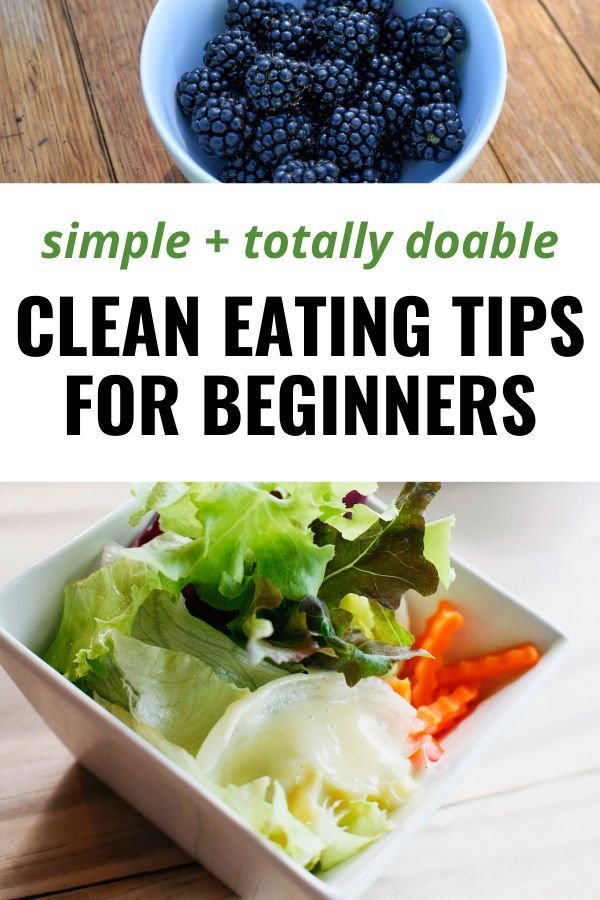
Fruits and vegetables are the cornerstones of any healthy diet. They are packed with vitamins, minerals, and antioxidants that support bodily functions and help to prevent chronic diseases. Choosing a colorful variety not only adds visual appeal to meals but also ensures a diverse intake of nutrients. For instance, leafy greens are high in vitamins A and K, while oranges are a great source of vitamin C.
Whole grains, such as quinoa, brown rice, and oats, serve as excellent sources of dietary fiber, which aids digestion and promotes satiety. Unlike refined grains, whole grains retain all parts of the grain, providing more nutrients. Lean proteins, such as chicken, fish, beans, and legumes, contribute to muscle health and keep you feeling full longer. Incorporating these into your diet is essential for maintaining a balanced meal plan.
Healthy fats, found in foods like avocados, nuts, seeds, and olive oil, are crucial for brain health and should not be demonized. These fats help to regulate cholesterol levels and provide energy. When selecting ingredients, it is crucial to read labels carefully. Look for products with minimal ingredients and avoid those with added sugars, artificial preservatives, and unhealthy trans fats. By understanding the composition of what you consume, you can make informed choices that support a healthier lifestyle.
In conclusion, prioritizing fresh, whole ingredients over processed foods is fundamental to achieving a healthy diet. This practice not only supports physical health but also encourages a more sustainable way of eating that benefits the environment.
Basic Cooking Techniques to Adopt
For anyone embarking on a culinary journey, mastering essential cooking techniques is fundamental. These skills not only enhance the quality of meals but also promote healthier eating habits. Below are some basic cooking techniques that every beginner should consider adopting to foster a more health-conscious approach to meal preparation.
Sautéing is an efficient cooking method that uses a small amount of oil or fat over high heat. This technique allows food to cook quickly while retaining its flavor and nutrients. By sautéing vegetables, for instance, you can preserve their vibrant colors and textures, essentially boosting their appeal and health benefits. When combined with lean proteins, sautéing can create a balanced and nutritious meal.
Another valuable technique is steaming. This involves cooking food with steam heat, helping to retain more nutrients compared to methods such as boiling or frying. Steaming is particularly effective for vegetables and fish, as it allows them to cook evenly without the need for added fats. As a result, meals prepared through steaming are often lower in calories yet rich in essential vitamins and minerals.
Grilling is a popular technique that imparts a delicious char flavor to foods, making it a favorite during outdoor cooking. This method allows excess fats to drip away from the food, offering healthier meal options. By marinating proteins and utilizing fresh herbs, beginners can create flavorful grilled dishes that align with healthful eating practices.
Baking is yet another essential skill that promotes healthy cooking. This dry heat method is excellent for preparing a variety of foods, from vegetables to lean meats, all while utilizing minimal fat. By opting to bake rather than fry, beginners can significantly decrease the amount of unhealthy fats in their diet, paving the way for healthier meal choices.
Incorporating these techniques—sautéing, steaming, grilling, and baking—into everyday cooking not only enhances the flavor and texture of meals but also aligns with a nutritious eating philosophy. By consciously choosing these healthier cooking methods, beginners can gradually cultivate a more health-oriented cooking style, fostering improved overall wellbeing.
Meal Planning and Preparation Strategies
Meal planning is a critical component of maintaining a healthy diet. It enables individuals to make informed food choices, thereby promoting overall well-being. A well-structured meal plan can help regulate portion sizes, ensure nutritional balance, and ultimately contribute to weight management. Furthermore, it can significantly reduce food waste, as planning ahead minimizes the tendency to purchase unnecessary items.
To create an effective weekly meal plan, begin by assessing your dietary needs and preferences. Consider your nutritional goals, whether it’s increasing vegetable intake, reducing processed foods, or managing portion sizes. After establishing your objectives, identify meals that can be prepared ahead of time. Batch cooking is an excellent method to prepare staples such as grains, proteins, and roasted vegetables in larger quantities, allowing for easy assembly during the week.
Another key strategy is to create a shopping list based on your meal plan. This list should include all ingredients required for your planned recipes. By adhering to the list while shopping, you can avoid impulse purchases and stick to healthier options. In addition, focusing on purchasing seasonal produce can enhance the freshness of your meals and offer better value.
Meal prepping can further streamline your approach to cooking. Consider dedicating a few hours during the weekend to wash, chop, and store ingredients in convenient containers. This approach not only saves time during busy weekdays but also makes healthy choices more accessible. Labeling containers with dates and meal types can also make it easier to keep track of what is available, minimizing the risk of food spoilage.
By implementing these meal planning and preparation strategies, you can cultivate a more organized kitchen environment and promote healthy eating habits. Ultimately, the consistent practice of planning meals not only supports a nutritious diet but also enhances efficiency and reduces stress related to daily cooking.
Flavoring Without Excess Calories
Enhancing the flavor of meals while maintaining a healthy profile is essential for those embarking on a culinary journey. By incorporating herbs and spices, you can significantly elevate the taste of your dishes without the need for excessive calories or unhealthy additives. Herbs such as basil, cilantro, and parsley add depth and freshness to recipes, allowing for vibrant and delicious meals.
Spices, including cumin, paprika, and turmeric, also play a crucial role in flavor enhancement. They offer unique tastes and aromas that can transform a simple dish into an extraordinary culinary experience. Additionally, utilizing these ingredients can improve the overall health benefits of your meals, as many spices contain antioxidants and anti-inflammatory properties.
Healthy cooking methods, such as steaming, grilling, and baking, should also be embraced. These methods not only preserve the natural flavors of the ingredients but also help reduce the need for calorie-laden oils and fats that are often used in traditional cooking. For instance, grilled vegetables maintain their crispness and flavor without the addition of heavy dressings.
When it comes to sauces and dressings, consider creating your own using low-calorie bases. A simple vinaigrette made from vinegar, mustard, and herbs can enhance salads without the excess calories found in commercial dressings. Similarly, blending yogurt with garlic and fresh herbs provides a creamy, flavorful dip that is nutritious and satisfying.
Using citrus juices, like lemon or lime, can also add brightness and balance to meals, making them taste fresher while contributing minimal calories. When experimenting with flavors, it is vital to remember that a little goes a long way. Start with small amounts and adjust according to your taste preferences to achieve the best results. By utilizing these techniques, beginner cooks can create tasty, nutritious meals that appeal to the palate without compromising on health.