
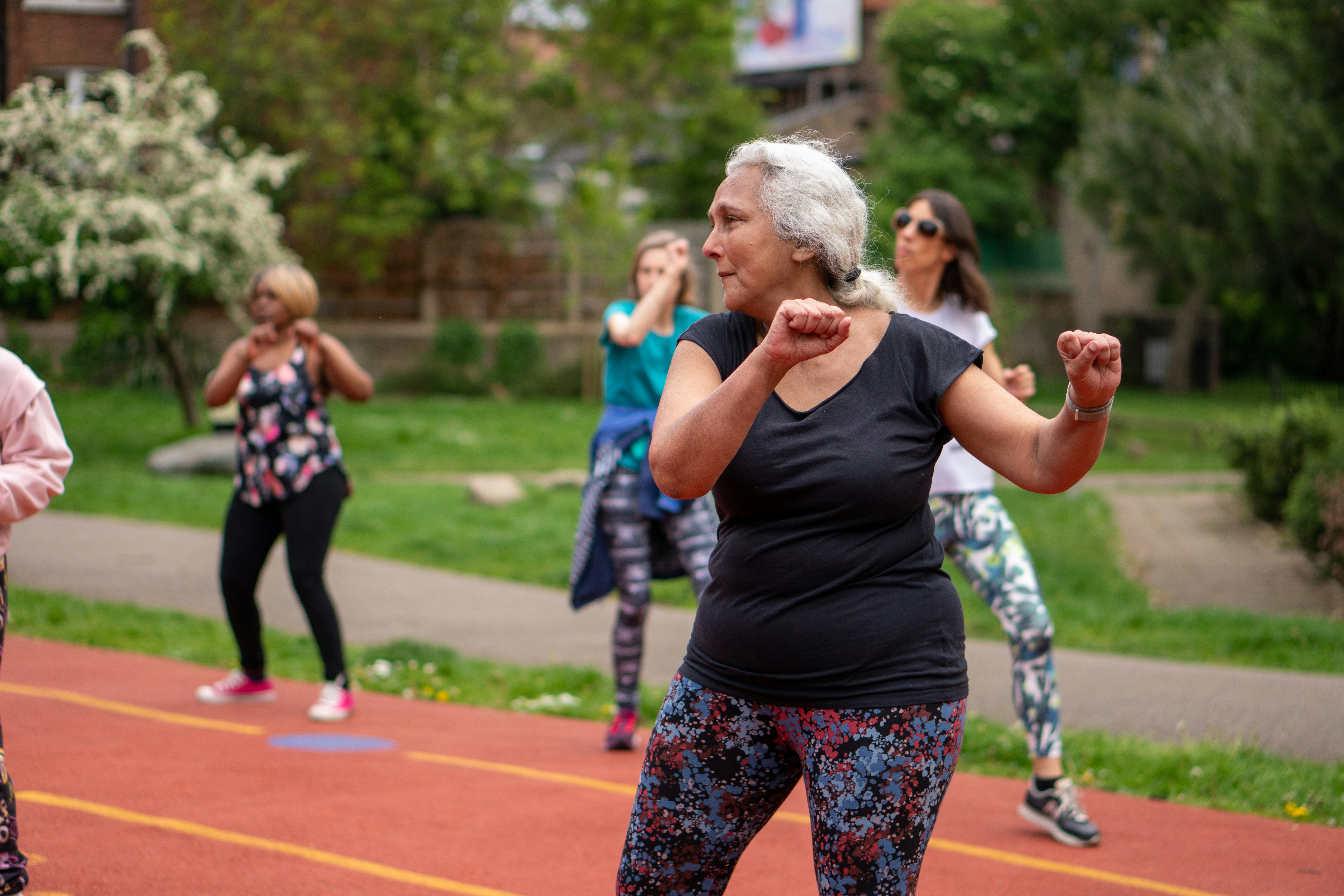
Understanding the Aging Process
The aging process entails a series of physiological changes that can significantly impact one’s health and fitness levels, particularly noticeable at the ages of 40, 50, and beyond. One of the most critical changes is the gradual decline in muscle mass, known as sarcopenia, which can start as early as the third decade of life. This decline can lead to reduced strength and endurance, making it imperative to incorporate resistance training into regular fitness routines to counteract muscle loss.
Thank you for reading this post, don't forget to subscribe!In addition to muscle mass decline, bone density is another concern as individuals age. Osteoporosis and related conditions can develop when bone mass decreases, increasing the risk of fractures and falls. This emphasizes the need for weight-bearing exercises, as they can help maintain or even improve bone density throughout the aging process. Furthermore, ensuring adequate intake of calcium and vitamin D is essential in supporting bone health.
Cardiovascular health is also affected as the body ages. The heart may become less efficient at pumping blood, and vascular health can decline due to the buildup of plaque and a stiffening of blood vessels. Thus, engaging in regular aerobic exercises, such as walking, swimming, or cycling, can enhance heart health, improve circulation, and lower the risk of heart disease.
Another important aspect of aging involves hormonal shifts, which can impact metabolism and physical capabilities. For instance, a decrease in hormones such as testosterone and estrogen affects muscle retention and fat distribution. Consequently, adjusting fitness and wellness strategies is crucial. By focusing on a balanced approach that includes strength training, cardiovascular workouts, proper nutrition, and sufficient recovery time, individuals can adapt effectively to these changes while promoting overall health and well-being.
Creating a Fitness Routine That Works
As individuals reach the ages of 40 and 50, crafting a well-rounded fitness routine becomes crucial for maintaining health and vitality. The types of exercises incorporated into this plan should prioritize both aerobic and strength-training components, as these are particularly beneficial for this demographic.
Aerobic exercises, such as walking, swimming, or cycling, are vital for cardiovascular health. Engaging in at least 150 minutes of moderate aerobic activity each week can significantly improve endurance and overall well-being. Furthermore, it is essential to include strength-training routines at least twice a week. These sessions should focus on major muscle groups, utilizing body weight, resistance bands, or weights, which help to combat muscle loss as one ages while promoting bone density.
Flexibility work is another critical aspect often overlooked in fitness routines. Incorporating stretching or yoga at least two to three times a week can enhance joint mobility and prevent injuries, making it easier to engage in other activities. Resistance training, paired with flexibility exercises, fosters a balanced approach to fitness, ensuring that individuals not only build muscle but also maintain functional movement.
To create a sustainable fitness plan that fits into busy lifestyles, individuals should set realistic goals. Start with achievable milestones that can be progressively adjusted as strength and stamina improve. Tracking progress can be accomplished through a variety of methods, such as maintaining a fitness journal, utilizing apps, or working with a trainer. This not only fosters motivation but also enables one to celebrate achievements along the way.
In summary, establishing a comprehensive fitness routine that focuses on aerobic capacity, strength training, flexibility, and realistic goal setting can significantly enhance the quality of life for those over 40 and 50, promoting longevity and wellness.
Nutrition for Optimal Health as We Age
As individuals age beyond 40, their nutritional needs become increasingly specific and essential for maintaining optimal health. It is paramount to focus on essential nutrients that support bone health, muscle repair, and energy metabolism. Key nutrients such as calcium, vitamin D, protein, and omega-3 fatty acids should be prioritized in the diet. Calcium is vital for maintaining bone density, especially as the risk of osteoporosis rises with age. Vitamin D supports calcium absorption and overall bone health, while protein plays a critical role in muscle repair and maintenance.
Incorporating a variety of fruits, vegetables, whole grains, and lean proteins can provide the necessary vitamins and minerals to address these nutritional needs. It is advised to focus on a balanced diet that includes foods rich in antioxidants, which can combat inflammation and promote overall wellness. Adopting an eating pattern similar to the Mediterranean diet—rich in healthy fats from nuts, seeds, and fish—can also support heart health while providing essential nutrients for aging individuals.
Hydration is another critical aspect of nutrition, especially as we age. Older adults may have a decreased thirst sensation, making it essential to consciously monitor fluid intake. Water, herbal teas, and hydrating fruits and vegetables should be prioritized. Additionally, meal planning plays an integral role in achieving a balanced diet. Preparing meals in advance can lead to healthier choices, ensuring that age-specific nutritional needs are met while accommodating personal fitness goals.
Whether the focus is on weight loss, muscle gain, or overall wellness, understanding how nutritional requirements vary can help individuals tailor their diets appropriately. Individuals aiming for weight loss may benefit from a higher intake of fiber-rich foods, while those focusing on muscle gain should increase their protein intake. Overall, maintaining balanced nutrition is essential for achieving health and fitness goals as we age.
Mental Well-being and Staying Motivated
As individuals reach their 40s, 50s, and beyond, maintaining physical fitness increasingly intersects with a focus on mental well-being. The connection between mental and physical health is well-documented, and as we age, the importance of motivation and a positive mindset becomes paramount in educational efforts to remain active and engage in regular exercise.
Staying motivated may become more challenging due to age-related barriers such as decreased energy levels, physical limitations, or motivation loss. Developing effective strategies to overcome these obstacles is essential for an enduring commitment to fitness. Setting realistic goals tailored to one’s current abilities can foster a sense of achievement and encourage continued progress. Additionally, incorporating variety into routines—whether through group classes, outdoor activities, or new sports—can reinvigorate enthusiasm for exercise and foster a positive reinforcement cycle.
Support networks also play a vital role in maintaining motivation and accountability, particularly for older adults. Engaging with communities, whether in local clubs, fitness groups, or classes, can provide social interaction that enhances both mental health and physical activity. Often, sharing experiences, challenges, and successes with peers can significantly boost one’s motivation to keep striving for fitness. Furthermore, these connections can create a sense of belonging that encourages individuals to participate more actively.
Mindfulness practices and stress management techniques can also aid in the holistic approach to fitness. Incorporating activities such as yoga or meditation can reduce stress, improve focus, and enhance emotional resilience. These practices promote a healthier outlook towards physical challenges, thus reinforcing the willingness to engage in exercise regularly. By nurturing both mental well-being and physical fitness, individuals can achieve a balanced, fulfilling lifestyle that stands the test of time.

