
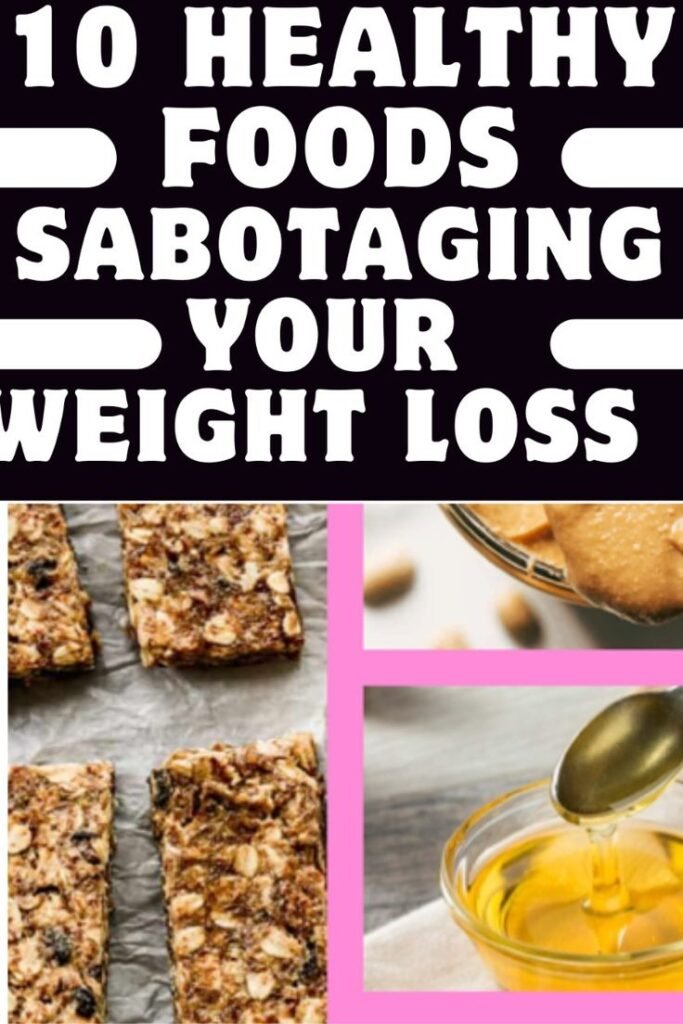
Introduction to Misleading Healthy Foods
In today’s health-conscious society, many people are striving to adopt a healthier diet. However, the proliferation of food marketing and the labeling of products can lead to misconceptions regarding what constitutes a healthy food choice. Certain foods are often perceived as beneficial but may actually hinder health and wellness goals. This phenomenon is commonly seen with items that are marketed as “organic,””low-fat,””sugar-free,” or “gluten-free.” While these terms can be indicative of healthier options, they do not automatically equate to nutritional superiority.
Thank you for reading this post, don't forget to subscribe!The importance of being aware of misleadingly healthy foods cannot be overstated. For instance, some packaged foods that bear health claims may contain added sugars, unhealthy fats, or excessive sodium. These ingredients can contribute to weight gain, impact metabolic health, and sabotage fitness goals. Additionally, individuals seeking to lose weight or improve their health may find themselves inadvertently consuming calories or additives that do not align with their wellness objectives.
Moreover, the perception of certain foods as health-promoting can lead to overconsumption. For example, nut butters and granola bars, though often viewed as wholesome options, can be high in calories and sugar. This can result in individuals consuming more than intended, ultimately leading to failed dieting efforts. Therefore, it is essential for consumers to approach food choices with a critical mindset, understanding the ingredients and nutritional value of the products they consume.
Overall, being informed about the potential pitfalls of purported healthy foods allows individuals to make better dietary choices. Recognizing that some foods can be misleading will empower consumers to navigate their nutrition more effectively, supporting their long-term health and fitness aspirations.
Common Foods That Sabotage Your Health Goals
In the pursuit of a healthier lifestyle, various foods often mislead consumers into believing they are making the right choices. Below are ten common foods that, although perceived as healthy, can undermine your health goals due to misleading nutritional information or high levels of unwanted ingredients.
1. Granola: Frequently marketed as a health food, granola can be packed with sugars. Many commercial varieties contain syrups and sweeteners, which significantly increase calorie counts and reduce its health benefits.
2. Fruit Juices: Although they might seem nutritious, many fruit juices can be high in sugar and lack fiber. They often provide concentrated sugar without the benefits of whole fruits, leading to blood sugar spikes.
3. Yogurt: Flavored yogurts are often loaded with added sugars to enhance taste. While yogurt can be a good source of probiotics, the added sugars can lead to health concerns such as obesity and diabetes.
4. Whole Wheat Bread: While whole wheat is a healthier option than white bread, some brands can contain refined flour and added sugars. It is essential to read ingredients carefully to ensure it is genuinely whole grain.
5. Salad Dressings: Many salad dressings, especially those labeled as low-fat, often compensate with added sugars and preservatives. Choosing dressings made from natural ingredients is crucial for maintaining a healthy salad.
6. Nutritional Bars: Despite being marketed as health snacks, nutritional bars can be extremely high in sugars and artificial ingredients, which can negate their health benefits.
7. Smoothies: Smoothies can offer essential nutrients; however, those made with added sugars, syrups, or excessive fruits can contain more sugar than a soda.
8. Pumpkin Spice Lattes: Seasonal favorites can be overloaded with sugar and calories, making them detrimental to health goals instead of being the wholesome drink people expect.
9. Dried Fruits: While they are a good source of vitamins, many dried fruits are coated in sugar, drastically increasing their calories and impacting their health benefits.
10. Energy Drinks: Marketed to improve performance, energy drinks often contain high amounts of sugar and caffeine which can lead to increased heart rates and other health concerns.
Understanding and scrutinizing these foods can help create a more informed and healthier diet, ensuring that habits align with overall health goals.
Understanding Nutritional Labels and Marketing Tricks
In today’s health-conscious society, many individuals are increasingly relying on food labels to guide their dietary choices. However, food companies often employ strategic marketing techniques that can mislead consumers about the true nutritional value of their products. Understanding how to navigate these nutritional labels is essential to avoid inadvertently consuming foods that may not align with your health goals.
One of the most effective marketing tactics is the use of health claims, such as “low-fat,” “sugar-free,” or “natural,” which appeal to consumers’ desire for healthier options. However, these claims do not always indicate that a product is genuinely nutritious. For instance, a food advertised as “low-fat” may compensate for the reduced fat with added sugars or fillers, leading to higher calorie content. Consequently, it is crucial to examine the entire ingredient list and not just focus on front-of-package claims.
When reading nutritional labels, pay particular attention to the first few ingredients listed. Ingredients are organized in descending order based on their weight, meaning that the first few are the primary components of the food. If the list includes excessive amounts of sugar, refined flours, or artificial additives, these are indicators of a less healthy product, even if it markets itself as nutritious.
Additionally, serving sizes often play a critical role in understanding nutritional labels. It is not uncommon for companies to mislead consumers with serving sizes that are unrealistically small. This can inflate the perception of a product’s health benefits. Always assess the information based on realistic portion sizes to gauge true nutritional content.
By being vigilant about reading labels and questioning marketing claims, consumers can make informed choices, ensuring that they do not fall for products that might seem healthy but are ultimately sabotaging their nutritional goals.
Making Healthier Choices: Alternatives to Sabotaging Foods
In a world where health and fitness are paramount, making informed dietary choices is essential. Many foods perceived as healthy may actually be undermining your wellness goals. Therefore, recognizing the alternatives that not only nourish the body but also align with your fitness aspirations is critical.
Firstly, consider the sugar-laden granola bars or trail mixes that often bear health claims. These products can be high in added sugars or unhealthy fats, counteracting your nutritional efforts. A healthier alternative would be homemade energy bars made with whole food ingredients such as oats, nuts, and dried fruit. Alternatively, nut butter on whole-grain toast topped with banana can serve as a nutrient-dense snack, providing protein and fiber without unwanted additives.
Next, the assumption that low-fat yogurt is always a healthy choice needs reconsideration, as many brands add sugars to enhance taste. Opting for plain Greek yogurt can be a more beneficial choice since it is rich in protein and probiotics. You can customize it by adding fresh fruits or a drizzle of honey for natural sweetness.
Furthermore, while smoothies often seem like health elixirs, store-bought varieties can be deceiving with their high sugar content. Preparing your smoothie at home allows you to control the ingredients, focusing on leafy greens, unsweetened almond milk or coconut water, and a variety of fruits.
Finally, pre-packaged salads marketed as healthy options frequently include high-calorie dressing and toppings. Instead, prepare salads at home with colorful vegetables, lean proteins such as grilled chicken or chickpeas, and dress them with olive oil and vinegar. By making these thoughtful substitutions, you can deftly navigate the maze of food choices, ensuring that your diet supports rather than sabotages your health journey.

