
Understanding Energy and Fat Loss
Energy and fat loss are intricately connected, primarily governed by the body’s metabolism. Metabolism refers to the biochemical processes that convert food into energy, allowing the body to function, engage in physical activity, and maintain essential systems. To effectively understand the relationship between energy levels and fat loss, one must consider the balance of calorie intake and energy expenditure.
Thank you for reading this post, don't forget to subscribe!When individuals consume more calories than their body uses, the excess energy is stored as fat. This accumulation can occur due to various factors, including an imbalance between caloric intake and physical activity. Conversely, when a caloric deficit is created—meaning fewer calories are consumed than are burned—fat is mobilized from storage, leading to fat loss. As such, monitoring both energy consumption and physical activity is crucial for effective weight management.
The body’s metabolic rate, or the rate at which it burns calories, plays a significant role in this equation. Several factors influence metabolism, including genetics, age, body composition, and hormonal levels. Furthermore, certain physiological processes, such as thermogenesis, contribute to energy expenditure by generating heat as the body breaks down food. Increasing metabolic rate can be achieved through various methods, including regular exercise, strength training, and dietary adjustments.
Diet also plays a critical role in boosting metabolism and promoting fat loss. Consuming nutrient-dense foods, particularly those rich in proteins and healthy fats, can enhance satiety and encourage increased energy expenditure. Specific foods and supplements, termed “metabolism boosters,” can also aid in maximizing energy utilization. Overall, understanding the complex interaction between energy expenditure and fat storage is essential for those looking to enhance their energy levels and facilitate effective fat loss.
Hack #1: Optimize Your Sleep
Quality sleep is a fundamental pillar for enhancing energy levels and supporting fat loss. Scientific research has shown that proper sleep hygiene not only affects how rested we feel but also plays a crucial role in regulating weight. Sleep cycles are intricate processes that significantly influence our bodily functions, including metabolism and energy expenditure.
Sleep deprivation leads to a range of health issues, often resulting in weight gain. When the body is deprived of adequate sleep, it experiences an increase in cortisol levels, a hormone that promotes fat storage, particularly around the abdomen. Furthermore, lack of sleep can disrupt the balance of leptin and ghrelin, hormones that regulate hunger and satiety. This disruption can lead to increased appetite and cravings for high-calorie foods, making weight management more challenging.
To optimize sleep, establishing a consistent sleep schedule is vital. Going to bed and waking up at the same time each day helps regulate your internal clock, making it easier to fall asleep and wake up refreshed. Additionally, creating a sleep-friendly environment is essential – this includes darkening your bedroom, maintaining a cool temperature, and minimizing noise disturbances. It’s also beneficial to limit exposure to screens before bedtime, as the blue light emitted by devices can interfere with melatonin production, delaying sleep onset.
Furthermore, adopting a winding-down routine can prepare your body for restful sleep. Engaging in relaxing activities, such as reading or gentle stretching, signals to your body that it is time to unwind. By implementing these strategies, you can enhance your sleep quality, leading to improved energy levels and more effective fat loss over time.
Hydrate Wisely
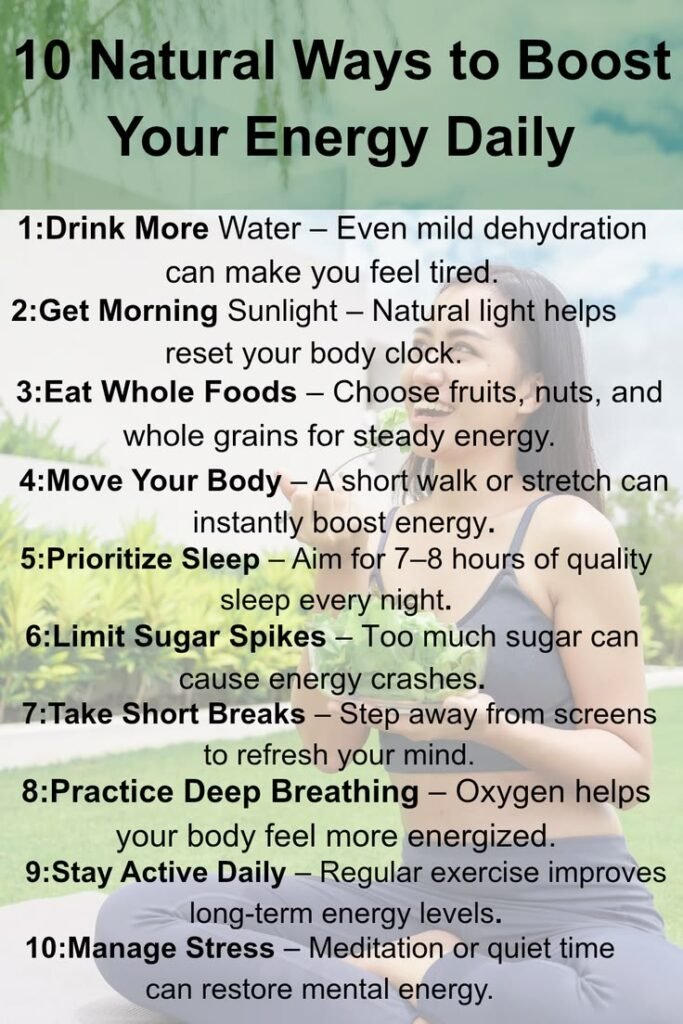
Maintaining adequate hydration is crucial for overall health, particularly when it comes to enhancing energy levels and promoting fat metabolism. Water is an essential nutrient that facilitates numerous bodily functions, such as digestion, nutrient transport, and thermoregulation. When the body is properly hydrated, it is better equipped to perform optimally, especially during physical activity. Conversely, dehydration can lead to decreased performance, increased fatigue, and a higher likelihood of food cravings, ultimately hindering efforts to burn fat efficiently.
Research indicates that even mild dehydration can impact cognitive and physical performance. A study found that a water loss of just 1-2% of body weight can impair endurance and increase feelings of fatigue. Furthermore, dehydration can affect appetite regulation by increasing levels of the hormone ghrelin, which may lead to overeating. Therefore, ensuring sufficient water intake is essential for those looking to enhance their energy and support their weight loss efforts.
The general guideline for daily water consumption is approximately 2-3 liters for adults, although individual needs may vary based on factors such as body weight, activity level, and climate. A practical approach to hydrating wisely includes sipping water throughout the day rather than consuming large amounts at once. To incorporate more fluids into your daily routine, consider adding a glass of water before each meal and carrying a reusable water bottle for easy access.
Additionally, certain beverages can enhance hydration while aiding in weight management. Herbal teas and water-rich fruits and vegetables, such as cucumbers and oranges, can contribute to overall fluid intake. Moreover, beverages like green tea, known for its metabolism-boosting properties, can be integrated into your regimen. By prioritizing hydration, you can significantly boost your energy levels and enhance your body’s fat-burning mechanisms.
Hack #3: Incorporate High-Intensity Interval Training (HIIT)
High-Intensity Interval Training (HIIT) has rapidly gained popularity as an effective method for those looking to enhance their energy levels and accelerate fat loss. HIIT alternates short bursts of intense exercise with periods of rest or lower-intensity exercise, creating a workout that is both time-efficient and effective. Research has consistently shown that HIIT not only burns more calories during workouts compared to traditional steady-state cardio but also leads to an increased metabolic rate after exercise. This post-exercise calorie burn, known as excess post-exercise oxygen consumption (EPOC), can significantly contribute to fat loss over time.
Numerous studies have confirmed the advantages of HIIT. For instance, a study published in the Journal of Obesity found that participants who engaged in HIIT lost more body fat than those who performed moderate-intensity continuous training. This is particularly important for individuals with time constraints, as HIIT can yield substantial results in a shorter workout duration.
Incorporating HIIT into a fitness routine can be quite straightforward. Beginners can start with simple exercises, such as bodyweight squats, jumping jacks, or brisk walking followed by sprinting for 20 seconds, then resting for 40 seconds. This circuit can be repeated for 15-20 minutes. As individuals advance, they can gradually increase the intensity or incorporate various exercises such as burpees, kettlebell swings, or sprint intervals. More experienced individuals may choose to perform exercises such as battle ropes or cycling sprints in more complex HIIT workouts.
Ultimately, adjusting the duration and intensity of the intervals can cater to all fitness levels. Regardless of where one starts, the versatility and effectiveness of HIIT make it a powerful tool for enhancing energy and maximizing fat burning.

