
Understanding Probiotics
Probiotics are live microorganisms that confer health benefits to the host, particularly in the context of gut health. These beneficial bacteria contribute to maintaining a balanced intestinal flora, playing a crucial role in digestive health. By enhancing the gut microbiota composition, probiotics support the body’s ability to process food, absorb nutrients, and defend against pathogenic organisms.
Thank you for reading this post, don't forget to subscribe!Sources of probiotics are often found in fermented foods such as yogurt, kefir, sauerkraut, miso, and tempeh. These foods contain specific strains of bacteria, including Lactobacillus and Bifidobacterium, which are known for their health-promoting properties. Additionally, probiotics may also be consumed through dietary supplements, which can provide higher concentrations of specific strains tailored for particular health concerns.
The mechanisms by which probiotics benefit the digestive system are multifaceted. Primarily, they help restore the natural balance of gut flora disrupted by factors such as antibiotic use, dietary changes, or illness. Probiotics also enhance the intestinal barrier function, which is crucial in preventing harmful bacteria and toxins from entering the bloodstream. Moreover, they may modulate immune responses, produce vitamins, and digest complex carbohydrates that are otherwise indigestible.
Clinical research has increasingly supported the use of probiotics for various gastrointestinal disorders, including irritable bowel syndrome (IBS), inflammatory bowel disease (IBD), and antibiotic-associated diarrhea. Meta-analyses have shown that certain probiotic strains can significantly alleviate the symptoms of these conditions and reduce the frequency of antibiotic-related digestive distress. Overall, the integration of probiotics into one’s diet may offer not only digestive support but also broader health benefits, emphasizing the importance of gut health in overall well-being.
Defining Prebiotics
Prebiotics are defined as non-digestible fibers that play a crucial role in nourishing the beneficial bacteria present in the gut. Unlike probiotics, which are live microorganisms that provide health benefits when consumed, prebiotics serve as a food source that promotes the growth and activity of these helpful gut bacteria. This distinction is essential, as both prebiotics and probiotics work together to enhance gut health, but they each have unique functions.
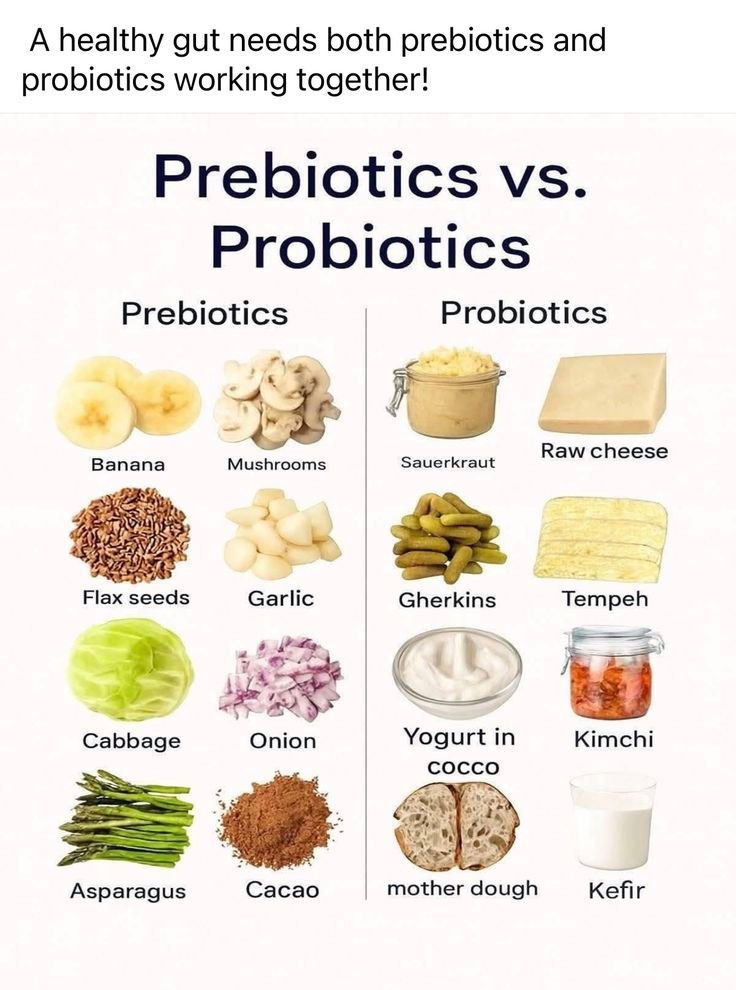
Prebiotics are found in a variety of foods, particularly those high in certain types of dietary fibers. Common sources of prebiotics include garlic, onions, leeks, asparagus, bananas, and whole grains, such as barley and oats. These foods are rich in oligosaccharides and inulin, both of which are effective in fostering a favorable environment for beneficial microorganisms in the digestive tract.
The health benefits associated with prebiotics extend beyond merely feeding gut bacteria. They contribute to improving gut microbiota composition by selectively stimulating the growth of beneficial strains while inhibiting harmful bacteria. This balanced microbiome is fundamental for optimal digestion and absorption of nutrients. Additionally, prebiotics have been shown to enhance immune function by interacting with gut-associated lymphoid tissue, helping the body to respond appropriately to harmful pathogens.
Furthermore, research suggests that prebiotics may aid in preventing gastrointestinal disorders, manage body weight, and even reduce the risk of certain chronic conditions. In summary, prebiotics are an essential component of a healthy diet, serving as a foundation for maintaining a balanced gut microbiome and supporting overall health.
Probiotics and prebiotics are integral components of gut health, each serving a unique role that is crucial for maintaining overall well-being. Probiotics are live microorganisms, often referred to as “good” bacteria, that confer health benefits when consumed in adequate amounts. These beneficial bacteria reside in the gastrointestinal tract and play a vital role in digestion, the immune response, and protection against harmful pathogens. Common sources of probiotics include fermented foods such as yogurt, kefir, sauerkraut, and kimchi, as well as dietary supplements designed to deliver specific strains of beneficial bacteria.
In contrast, prebiotics are non-digestible food components, primarily fibers, that nourish the existing beneficial bacteria present in the gut. Unlike probiotics, prebiotics do not provide live organisms; rather, they serve as a food source that encourages the growth and activity of these good bacteria. Prebiotics can be found in various foods, including garlic, onions, asparagus, bananas, and whole grains. These substances help to create a conducive environment for probiotics to thrive, amplifying their health benefits.
The relationship between probiotics and prebiotics exemplifies the notion of synergy in gut health. When consumed together, they can enhance each other’s effectiveness, leading to greater benefits for the gastrointestinal system. This combination is often referred to as synbiotics. Incorporating both probiotics and prebiotics into a balanced diet can promote optimal gut health, improve digestive function, and support the immune system. It is essential to consider the distinct roles that probiotics and prebiotics play, as together they contribute to a thriving microbiome essential for health and vitality.
Incorporating Probiotics and Prebiotics into Your Diet
Incorporating probiotics and prebiotics into your diet can significantly enhance your gut health and overall well-being. Both components play crucial roles in maintaining a balanced gut microbiome, and their inclusion in daily meals can be seamless when approached thoughtfully.
To start, consider incorporating commonly available probiotic-rich foods such as yogurt, kefir, sauerkraut, and kimchi into your diet. These foods contain live beneficial bacteria that can help promote a healthy gut flora. A serving of probiotic yogurt accompanied by fresh fruits can serve as a nutritious breakfast or a wholesome snack. Similarly, blended smoothies that include kefir offer a refreshing way to consume probiotics.
On the other hand, incorporating prebiotics is equally important, as they act as food for the good bacteria in your gut. Foods high in prebiotics include bananas, onions, garlic, asparagus, and whole grains. A salad topped with sliced bananas and assorted vegetables rich in fiber can provide a beneficial prebiotic boost, promoting the growth of probiotics in your system.
When considering supplements, it is essential to consult healthcare professionals for personalized dosage recommendations, as the effectiveness may depend on individual health conditions and needs. Generally, it is advisable to start with lower doses to assess tolerance before gradually increasing intake, if necessary. A balanced diet should focus on whole foods while considering supplements only when dietary sources are insufficient or specific health concerns arise.
Maintaining a healthy gut microbiome requires consistent delivery of both probiotics and prebiotics. An imbalanced diet lacking in these essential components can lead to digestive issues, weakened immunity, and various health problems. By making conscious dietary choices and embracing a variety of foods rich in both probiotics and prebiotics, individuals can support their gut health effectively and enjoy the myriad benefits that come with it.

