
Introduction to Sugar Alternatives
In recent years, the demand for sugar alternatives has notably surged, driven by mounting health concerns associated with excessive sugar consumption. Many individuals are becoming increasingly aware of the negative implications that high sugar intake can have on overall health, including potential weight gain, increased risk of chronic diseases, and various metabolic issues. In response to these concerns, a growing number of people are seeking out substitutes to reduce their caloric intake while satisfying their sweet cravings.
Thank you for reading this post, don't forget to subscribe!Calorie reduction is often a significant motivator for individuals exploring sugar alternatives. Traditional sugars contain high amounts of calories that can contribute to obesity and related health complications. Therefore, many are turning to natural sweeteners that offer lower caloric options without sacrificing flavor. Sweeteners such as Stevia, Monk Fruit, and Erythritol have emerged as popular choices, presenting enticing profiles for those wishing to minimize their sugar consumption.
Natural sweeteners, in particular, are becoming more recognized as viable alternatives due to their perceived health benefits and fewer adverse effects compared to their artificial counterparts. Stevia, derived from the leaves of the Stevia rebaudiana plant, is known for its intense sweetness with virtually no calories. Monk Fruit, sourced from the monk fruit (Siraitia grosvenorii), provides a unique option, as it is also calorie-free and has been used for centuries in traditional medicine. Erythritol, a sugar alcohol, offers the advantages of being low in calories and not raising blood sugar levels, making it favorable for those following low-carbohydrate or diabetic diets.
The market for these natural sweeteners has expanded significantly, with numerous products available to cater to diverse consumer needs. With the increasing availability and variety, individuals looking to replace sugar can now find suitable options tailored to their lifestyle and dietary preferences, enhancing their sweet experiences healthily.
Stevia: Benefits and Drawbacks
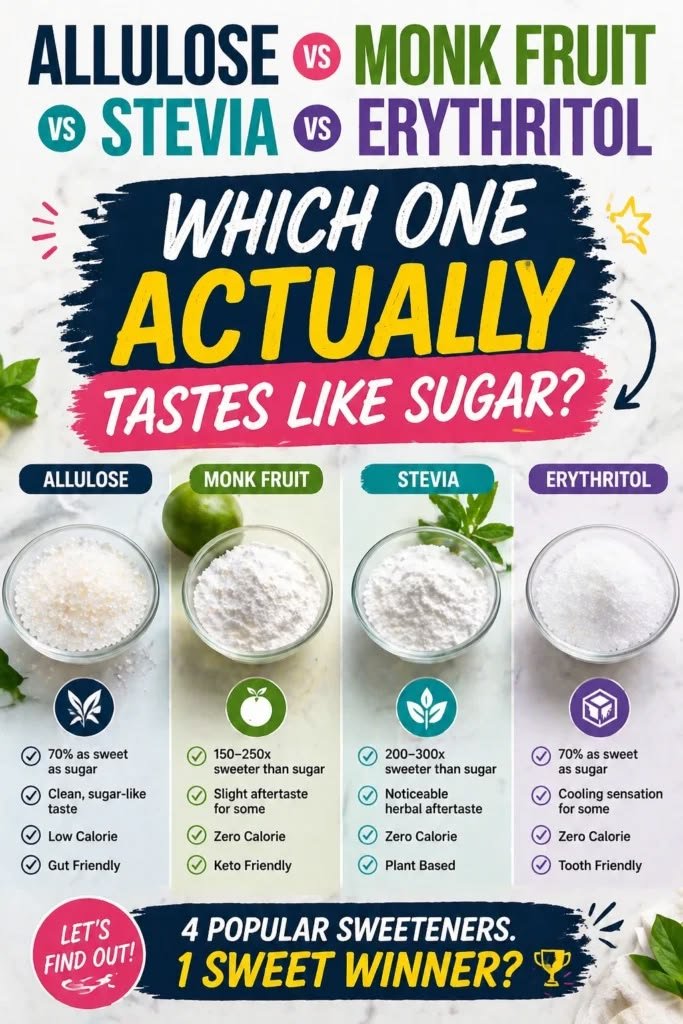
Stevia is a natural sweetener extracted from the leaves of the Stevia rebaudiana plant, native to South America. This unique sugar alternative is recognized for its exceptional sweetness, often reported to be 50 to 300 times sweeter than table sugar. This high potency allows for significantly smaller quantities to achieve the same level of sweetness, making it an appealing choice for those looking to reduce calorie intake while satisfying their sweet tooth.
One of the key benefits of using Stevia is its impact on blood sugar levels. Unlike conventional sugars, Stevia has minimal effect on glucose levels in the bloodstream, making it a valuable option for individuals managing diabetes or those looking to maintain steady energy levels. Additionally, research suggests that Stevia may offer potential health benefits such as aiding in weight loss due to its calorie-free nature. Its antioxidant properties and anti-inflammatory effects are also being explored, positioning it as a beneficial addition to a balanced diet.
However, Stevia is not without its drawbacks. Some users report experiencing digestive issues, such as bloating and nausea, particularly when consumed in large amounts. Furthermore, the taste profile of Stevia can be polarizing; while many appreciate its sweetness, others may find the aftertaste somewhat bitter or licorice-like, which can detract from its enjoyment in certain dishes or beverages. It is important for individuals to consider these potential downsides when selecting Stevia as a sugar substitute.
Monk Fruit: The Sweet Benefits and Considerations
Monk fruit, also known as Luo Han Guo, is a small green gourd native to Southern China. This naturally sweet fruit has gained substantial popularity as a sugar alternative due to its potent sweetness and unique health benefits. The sweetness of monk fruit comes primarily from mogrosides, which are compounds that can be up to 200 times sweeter than sugar, yet it contains no calories. As a zero-calorie sweetener, monk fruit stands out among sugar alternatives, making it an appealing option for those looking to reduce their caloric intake.
One of the notable benefits of monk fruit is its antioxidant properties. Antioxidants are essential in combating oxidative stress in the body, which is linked to numerous health issues. Additionally, monk fruit does not contain carbohydrates, making it suitable for low-carb diets and those managing blood sugar levels. For individuals with diabetes, monk fruit can be particularly advantageous as it does not raise blood sugar levels, offering a sweet option without the associated risks of traditional sugars.
Despite its sweet advantages, there are considerations to bear in mind when opting for monk fruit. Availability can vary by location, with this sweetener being more commonly found in specialty health food stores or online retailers rather than mainstream supermarkets. This may limit accessibility for some consumers. Furthermore, the cost of monk fruit sweeteners can be higher compared to other sugar alternatives like stevia or erythritol. Lastly, although monk fruit is generally regarded as safe, some individuals may experience digestive issues or allergic reactions, albeit rarely. Therefore, it’s prudent to monitor personal responses when introducing this sweetener into one’s diet.
Erythritol: Usage and Comparisons
Erythritol is a sugar alcohol that is produced through fermenting glucose. This fermentation process utilizes yeast or other microorganisms, resulting in a low-calorie sweetener that is roughly 70% as sweet as sucrose, or regular sugar. Erythritol has gained popularity among low-carb and ketogenic dieters, primarily due to its negligible calorie content, which allows individuals to enjoy sweetness without significant energy intake. With only about 0.24 calories per gram, it contains fewer calories than both Stevia and Monk Fruit, making it an appealing option for those monitoring their caloric consumption.
When comparing Erythritol, Stevia, and Monk Fruit, several factors come into play, including sweetness intensity, calorie content, and digestibility. Stevia is significantly sweeter than sugar, often requiring only a small amount to achieve the desired sweetness. Conversely, Monk Fruit extract is also much sweeter than sugar, but Erythritol’s milder sweetness level may appeal to individuals who prefer a less intense flavor profile. Additionally, while Stevia and Monk Fruit are generally well-tolerated, some individuals may experience gastrointestinal discomfort from consuming larger amounts of Erythritol.
From a health perspective, Erythritol offers notable benefits for dental health, as it does not contribute to tooth decay. In contrast to traditional sugars, it serves as a non-cariogenic alternative, making it a favorable choice for maintaining oral hygiene. To maximize the benefits of Erythritol in cooking and baking, it is essential to utilize it proportionately, adjusting recipes to account for its distinct sweetness level. It can be used in various applications, such as desserts, smoothie recipes, and savory dishes, providing a versatile solution for reducing sugar intake while enjoying flavorful meals.

