
Understanding Iron and Its Importance
Iron is an essential mineral that plays a critical role in several bodily functions, primarily in the production of hemoglobin, which carries oxygen in the blood. This mineral is vital for maintaining optimal energy levels and overall health. Iron deficiency can lead to anemia, characterized by fatigue, weakness, and impaired cognitive functions. It is crucial to understand the significance of iron, as a lack of it can have serious health implications, especially for vulnerable populations such as pregnant women, young children, and individuals with certain health conditions.
Thank you for reading this post, don't forget to subscribe!There are two types of dietary iron: heme and non-heme. Heme iron is derived from animal sources and is known for its higher bioavailability; it is easier for the body to absorb. Common sources of heme iron include red meat, poultry, and fish. On the other hand, non-heme iron is predominantly found in plant-based foods, such as legumes, nuts, seeds, and leafy greens. While non-heme iron is less efficiently absorbed compared to heme iron, a well-planned diet can still provide sufficient iron for those adhering to vegetarian or vegan lifestyles.
The recommended daily intake of iron varies based on several factors including age, gender, and lifestyle choices. For instance, adult men generally require about 8 mg of iron per day, while premenopausal women need approximately 18 mg due to menstrual losses. This requirement may increase during pregnancy, rising to 27 mg to support fetal development. Adolescents also have elevated needs due to growth spurts. Understanding these guidelines is essential for ensuring adequate iron intake and avoiding deficiency, which can have lasting effects on health and well-being.
Top Foods That Enhance Iron Absorption
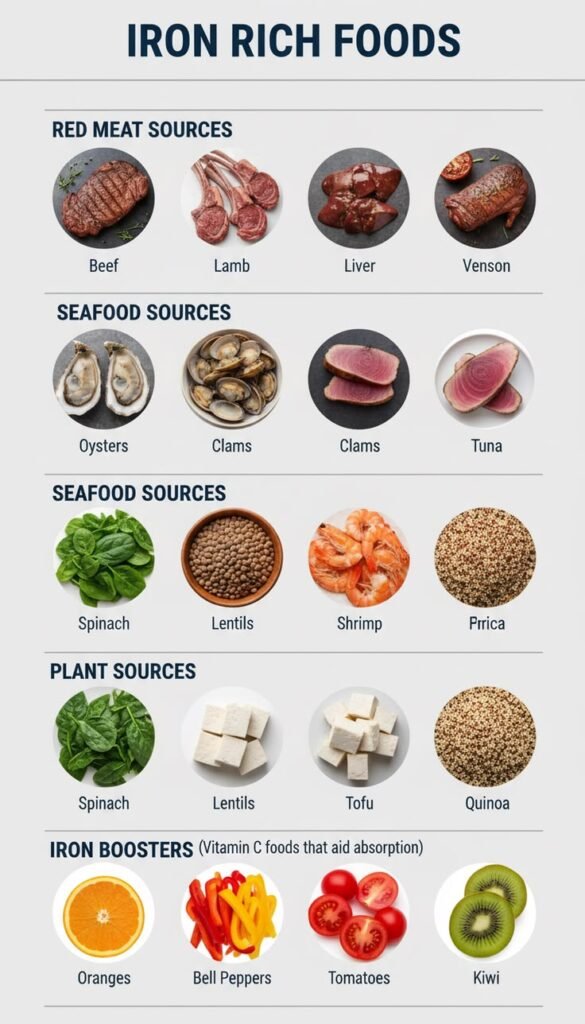
Iron is a crucial mineral for maintaining overall health, primarily known for its role in the formation of hemoglobin, which carries oxygen in the blood. To ensure optimal iron absorption, it is vital to include a variety of iron-rich foods in your diet. These foods can be classified into two categories: heme iron and non-heme iron sources. Heme iron, which is more easily absorbed by the body, is primarily found in animal products.
Red meat, poultry, and fish are excellent sources of heme iron. Beef and lamb, especially organ meats like liver, are particularly rich in this vital mineral. Incorporating these meats into your meals, potentially as part of stews, roasts, or grilled dishes, can significantly enhance your body’s iron levels.
On the other hand, non-heme iron is predominantly found in plant-based foods. Legumes, such as lentils, chickpeas, and beans, serve as excellent sources of non-heme iron. Tofu, nuts, and seeds, including pumpkin seeds and almonds, can also substantially contribute to your iron intake. Furthermore, fortified cereals can be an effective means to increase your iron consumption, especially for those following vegetarian or vegan diets.
To maximize iron absorption from these foods, consider pairing non-heme iron sources with vitamin C-rich foods, like citrus fruits, bell peppers, or broccoli. This combination can enhance the bioavailability of iron in plant-based foods. Conversely, it is advisable to limit the intake of inhibitors of iron absorption, such as calcium-rich foods, coffee, and tea, during iron-rich meals.
Foods and Factors That Hinder Iron Absorption
When considering dietary choices regarding iron absorption, it is important to recognize certain foods and factors that can impede the body’s ability to absorb this essential nutrient effectively. One of the primary culprits is calcium-rich foods. While calcium is vital for the body, its presence during meals high in iron can significantly compete with iron for absorption in the intestines. This means that consuming dairy products, such as milk or cheese, alongside iron-rich foods might hinder the optimal uptake of iron.
Additionally, certain beverages have been identified as inhibitors of iron absorption. Tea and coffee, which are commonly consumed by many, contain tannins that can form insoluble complexes with iron, thereby reducing its bioavailability. It is advisable for individuals aiming to enhance their iron levels to refrain from having these drinks around mealtime, ideally waiting a couple of hours after a meal.
Specific compounds found in whole grains and legumes, such as phytic acid, can also hinder iron absorption. Phytic acid can bind with iron and reduce its absorption significantly. This is particularly relevant to those who rely heavily on vegetarian or plant-based diets, as they often consume these food items in larger quantities. To offset this challenge, soaking, sprouting, or fermenting grains and legumes can help reduce phytic acid levels, potentially enhancing iron bioavailability.
Understanding the interactions between various foods and iron absorption is integral for maintaining a balanced diet. By being mindful of calcium-rich foods, certain beverages such as tea and coffee, and specific compounds in grains and legumes, individuals can better manage their intake and promote optimal iron absorption, ensuring they meet their dietary needs effectively.
Practical Tips for Boosting Iron Absorption in Your Diet
Enhancing iron absorption in your daily diet requires strategic meal planning and mindful preparation. One of the most effective methods is to combine iron-rich foods, such as spinach, lentils, and red meat, with sources rich in vitamin C. Foods like citrus fruits, tomatoes, and bell peppers not only add flavor but also significantly improve the absorption of non-heme iron, the type predominantly found in plant-based foods.
Another valuable practice is the use of cast iron cookware. Cooking foods in cast iron pans can add a small amount of iron to the food itself. This method is particularly beneficial when cooking acidic foods like tomato sauce, which help leach iron from the cookware. This simple switch in your kitchen can contribute positively to your overall iron intake.
Moreover, incorporating certain herbs and spices can also play a role in enhancing iron absorption. For example, herbs such as thyme and parsley, along with spices like turmeric and cumin, have been known to support iron levels in the body. These natural flavors can enrich your meals while promoting optimal iron absorption.
Additionally, considering the timing of your meals is essential. Avoid consuming calcium-rich foods or beverages, dairy products, or antacids within two hours of eating iron-rich meals, as calcium may inhibit iron absorption. Instead, structure your diet to allow time for your body to absorb the iron properly.
By implementing these practical tips, you can effectively boost the absorption of iron in your diet. Making informed dietary choices will help ensure you maintain adequate iron levels for overall health and well-being.

