
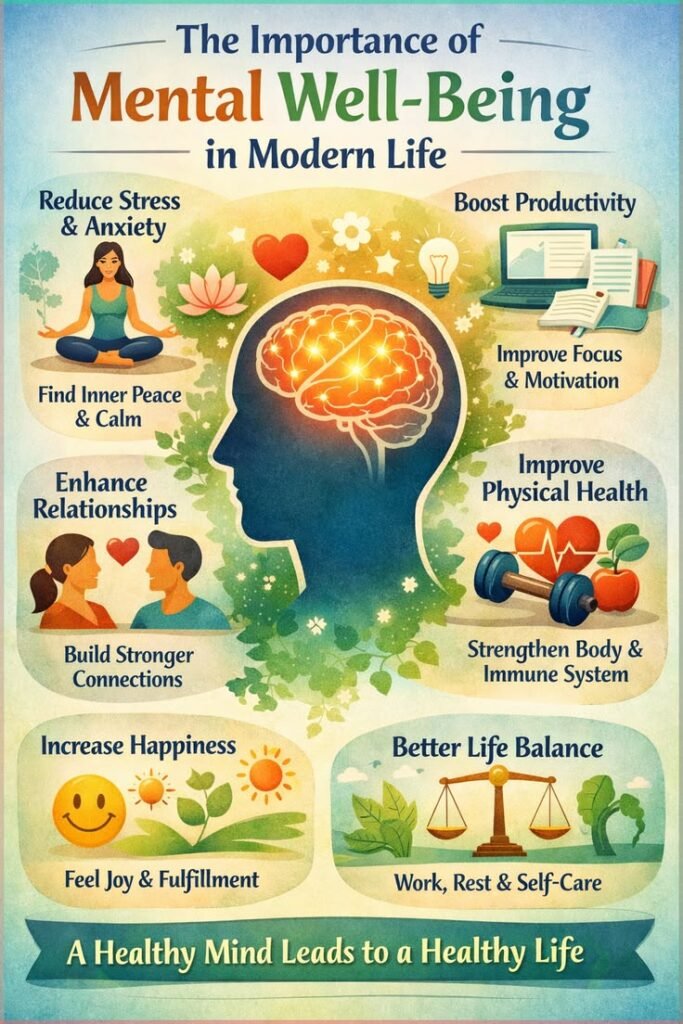
Understanding Mental Wellness
Mental wellness, often referred to as mental health, encompasses a holistic approach to the well-being of an individual, integrating emotional, psychological, and social facets. Unlike mental illness, which signifies specific disorders and conditions requiring diagnosis and treatment, mental wellness is characterized by a positive state of mind and an ability to manage life’s stresses effectively.
Thank you for reading this post, don't forget to subscribe!At its core, mental wellness involves the harmony between one’s thoughts, feelings, and actions. Emotional well-being is the capacity to acknowledge and express feelings, fostering resilience in the face of challenges. Psychological well-being pertains to how we perceive ourselves and our experiences, influencing our ability to cope with adversity and to develop fulfilling relationships. Social well-being emphasizes the importance of connections with others, advocating for healthy relationships and support networks as crucial to fostering a positive outlook.
The importance of mental wellness cannot be overstated, especially in maintaining overall health. It not only influences our daily functioning but also plays a pivotal role in physical health, academic successes, and workplace productivity. A robust state of mental wellness allows individuals to navigate life’s complexities, enhancing the capacity for joy, satisfaction, and purpose.
Moreover, focusing on mental wellness promotes proactive measures toward reducing the onset of mental illnesses. Engaging in activities that elevate mood, fostering supportive social networks, and practicing mindfulness are some common practices that contribute to a balanced, positive mental state. Awareness and understanding of mental wellness serve as essential pillars in leading a fulfilling life, thus underscoring its significance in daily living.
Benefits of Mental Wellness
Prioritizing mental wellness is essential for leading a fulfilling daily life, as it brings a multitude of benefits that extend to various aspects of an individual’s existence. One of the most significant advantages of focusing on mental health is enhanced productivity. When individuals take the time to cultivate their mental well-being, they often find an increase in their ability to concentrate, make decisions, and complete tasks efficiently. This can lead not only to improved performance in work or academic settings but also to a greater sense of accomplishment and satisfaction.
Moreover, mental wellness plays a crucial role in fostering improved relationships. Healthy individuals tend to communicate more effectively and empathize better with others, which contributes to stronger connections with family, friends, and colleagues. By focusing on mental health, people can develop conflict resolution skills and emotional intelligence, ultimately leading to more supportive and fulfilling interpersonal relationships.
Physical health is also closely linked to mental wellness. Research has shown that individuals who prioritize their mental well-being often engage in healthier lifestyle choices, such as regular exercise, balanced nutrition, and adequate sleep. These factors converge to create a beneficial cycle where mental wellness enhances physical health, and vice versa, minimizing the risk of chronic illnesses.
Finally, increased resilience is one of the most powerful benefits of focusing on mental wellness. Individuals who nurture their mental health are typically better equipped to manage stress and cope with challenges. This resilience empowers them to bounce back from setbacks, adapt to changing situations, and maintain a positive outlook in the face of adversity. As a result, prioritizing mental wellness can lead to a more balanced and fulfilling life, making it an essential component of overall health.
Practical Strategies for Maintaining Mental Wellness
Maintaining mental wellness is a crucial aspect of life that can significantly influence overall well-being and quality of life. Implementing practical strategies to enhance this vital component is essential. One effective method for improving mental wellness is practicing mindfulness. This involves being fully present in the moment and cultivating an awareness of one’s thoughts, feelings, and surroundings without judgment. Regular mindfulness exercises, such as meditation or deep breathing, can reduce stress and increase emotional resilience.
Engaging in regular physical activity is another important strategy for bolstering mental health. Physical exercise releases endorphins, often referred to as “feel-good” hormones, which can alleviate symptoms of anxiety and depression. Aiming for at least 30 minutes of moderate exercise most days of the week can significantly enhance mood and overall mental wellness.
Nurturing social connections is equally vital for maintaining mental wellness. Engaging with friends, family, and community can provide emotional support, reduce feelings of isolation, and promote a sense of belonging. Regularly reaching out to loved ones, whether through phone calls, video chats, or in-person meetups, can strengthen these connections and enrich one’s life experience.
Finally, seeking professional help when necessary should not be overlooked. Mental health professionals, including therapists, psychologists, and counselors, can provide invaluable support and guidance. Individuals are encouraged to pursue therapy or counseling if they face ongoing challenges or feel overwhelmed. Accessing professional help represents a proactive step towards prioritizing mental wellness and ensures that one has the necessary resources and tools to navigate life’s complexities effectively.
The Role of Community and Support Systems
The importance of community and social support systems in promoting mental wellness cannot be overstated. Positive interpersonal relationships with friends, family, and neighbors contribute significantly to our emotional health and overall well-being. When individuals feel connected to a supportive community, they are better equipped to handle stress, anxiety, and other mental health challenges.
Research indicates that belonging to a community can lead to lower rates of depression and anxiety. Healthy relationships offer a sense of security and belonging, which can alleviate feelings of loneliness and isolation. Regular interactions with supportive friends and family provide individuals with opportunities to express their feelings, share coping strategies, and gather diverse perspectives on various issues. This reciprocal exchange fosters resilience and a more robust capacity to confront life’s challenges.
Moreover, support groups play a crucial role in mental wellness, particularly for individuals facing specific challenges such as grief, addiction, or chronic health conditions. These groups create safe spaces where individuals can share their experiences and find solidarity with others who understand their struggles. Participating in such groups can enhance coping skills and provide valuable resources, thus promoting healing and recovery.
To cultivate a supportive environment, it is essential to practice effective communication skills. Being a good listener, showing empathy, and providing encouragement can help strengthen relationships. Additionally, offering to be a supportive presence for others fosters a community where mutual assistance is encouraged. Simple gestures, such as checking in on friends or participating in community activities, can demonstrate care and build stronger connections.

