
Introduction to Probiotics and Their Benefits
Probiotics are live microorganisms, primarily bacteria and yeasts, which provide numerous health benefits when ingested in adequate amounts. They play a crucial role in maintaining gut health, significantly influencing the overall well-being of individuals. Probiotics are often referred to as “good” or “friendly” bacteria due to their beneficial effects on human health.
Thank you for reading this post, don't forget to subscribe!The gut contains a complex ecosystem of these microorganisms that contribute to digestive health by breaking down food, synthesizing vitamins, and protecting against harmful bacteria. An optimal balance of probiotics in the gut microbiome can lead to improved digestion, alleviating issues such as bloating, constipation, and diarrhea. Moreover, probiotics facilitate the absorption of nutrients and enhance gastrointestinal health, making them essential for maintaining a healthy digestive system.
In addition to their gastrointestinal benefits, probiotics are known to bolster immune function. They contribute to the body’s defense mechanisms by supporting the gut barrier and producing antimicrobial substances that inhibit pathogenic bacteria. By enhancing immune responses, probiotics may reduce the incidence of infections and illnesses.
Emerging research also highlights the link between probiotics and mental health. The gut-brain axis, which refers to the bidirectional communication between the gut and the brain, suggests that the balance of gut bacteria can influence mood and cognitive function. Probiotics may help mitigate symptoms of anxiety and depression, promoting overall mental well-being.
While probiotic supplements are available, obtaining these beneficial microorganisms through food sources is often recommended. Foods rich in probiotics, such as yogurt, kefir, and fermented vegetables, provide a broader spectrum of strains and additional nutrients that can enhance their health benefits. This approach emphasizes the importance of a balanced diet in fostering gut health and overall wellness.
Exploring Probiotic-Rich Foods
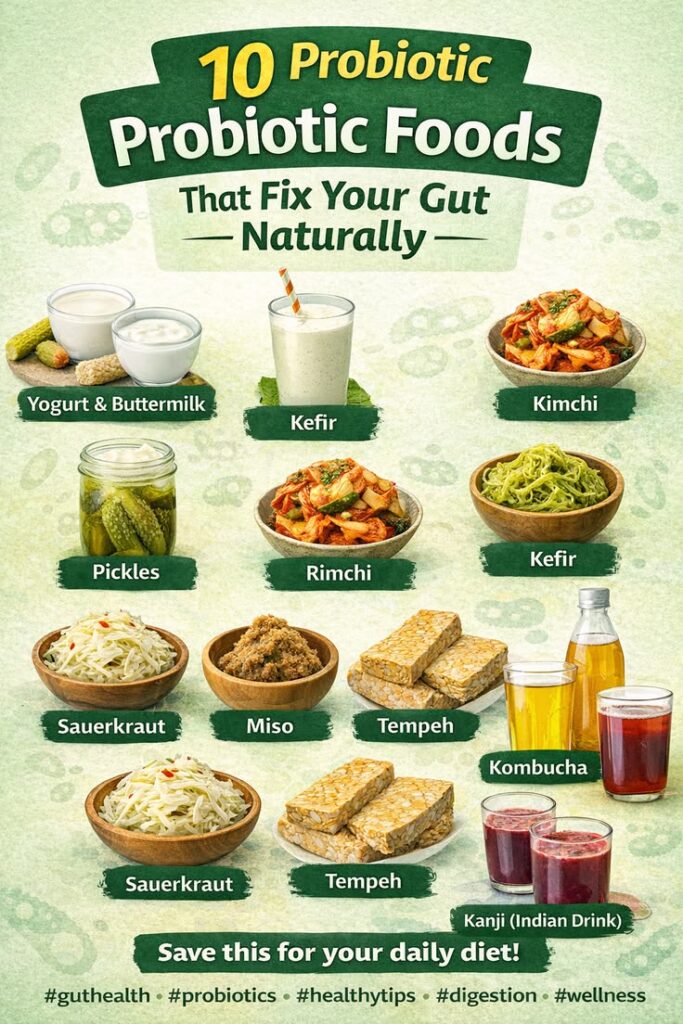
Probiotic-rich foods are essential for maintaining a healthy gut microbiome and can offer significant health benefits. Here, we will discuss several foods that are naturally high in probiotics, their preparation methods, and the specific probiotic strains they contain.
Yogurt is one of the most well-known probiotic foods, made by fermenting milk with a starter culture containing live bacteria such as Lactobacillus bulgaricus and Streptococcus thermophilus. This fermentation process not only thickens the milk but also yields beneficial bacteria that can aid in digestion and improve gut health. Consuming yogurt regularly may enhance the body’s immune response.
Kefir, a fermented milk drink, boasts a diverse range of probiotic strains, including Lactobacillus kefiri and various yeasts. Its unique preparation involves fermenting milk with kefir grains, making it rich in probiotics. Kefir’s consumption can lead to improved lactose digestion, making it suitable for lactose-intolerant individuals.
Sauerkraut, fermented cabbage, is not only rich in vitamins and minerals but also contains beneficial bacteria like Lactobacillus plantarum. It undergoes lacto-fermentation, which preserves the cabbage while enhancing its flavor and probiotic content. Regular consumption of sauerkraut may support gut health and promote a balanced microbiome.
Similarly, kimchi, a traditional Korean dish made from fermented vegetables, includes Lactobacillus kimchii, among others. Its preparation involves a variety of spices and fermentation, providing both taste and numerous health benefits, such as improving digestion and bolstering the immune system.
Kombucha, a fermented tea, is created through a symbiotic culture of bacteria and yeast (SCOBY). This bubbly drink contains various strains of probiotics, including Gluconacetobacter and Lactobacillus, which contribute to its health benefits, including detoxification and enhanced gut health.
Miso and tempeh are both traditional fermented soybean products that provide significant probiotic content. Miso is made by fermenting soybeans with a specific fungal culture, yielding beneficial bacteria like Aspergillus oryzae, while tempeh undergoes fermentation with Rhizopus oligosporus, resulting in a protein-rich product that also supports gut health.
Pickles made through natural fermentation, rather than vinegar brine, are another excellent source of probiotics. The lactobacilli present can promote gut health and enhance digestion. Additionally, natto, a traditional Japanese dish made from fermented soybeans, is recognized for its unique probiotic strain, Bacillus subtilis, which has been associated with improved gut health and immune support.
Finally, certain cheeses, particularly those that are unpasteurized or raw, like gouda and cheddar, can also be rich in probiotics. The fermentation methods used in cheese-making allow beneficial bacteria to thrive, providing potential health benefits such as improved digestive health.
How to Incorporate Probiotic Foods into Your Diet
Integrating probiotic-rich foods into your diet is a straightforward process that can enhance your gut health and overall well-being. To start, consider making small adjustments to your daily meals. For instance, adding a serving of yogurt, specifically those labeled with “live and active cultures,” to your breakfast can provide a beneficial probiotic boost. Whether you mix it with fruits, nuts, or granola, yogurt offers versatility as a nutritious option.
Another easy way to incorporate probiotics is by swapping out traditional condiments for fermented alternatives. For example, using sauerkraut or kimchi as a side dish can elevate your meals while delivering health benefits. These fermented vegetables can be added to salads, sandwiches, or even tacos, providing a delightful crunch and tangy flavor along with their probiotic content.
Fermented drinks such as kefir, kombucha, or even homemade yogurt smoothies can serve as tasty beverages that contribute to daily probiotic intake. These drinks can be enjoyed alone or combined with fruits and herbs for added flavor. When choosing beverages, be mindful of added sugars which could negate the healthful properties.
Portion sizes are important when adding probiotic foods to your routine. Generally, one serving of yogurt or a small bowl of sauerkraut or kimchi is a good starting point. Aim to consume these foods a few times a week, gradually increasing frequency as your body adapts to the probiotics. The goal is to introduce a diverse array of probiotic foods, allowing for a more balanced microbiome.
Meal planning can further aid in the incorporation of these foods. Designing a weekly menu that includes different probiotic sources ensures you enjoy the variety and enhances the likelihood of consistent consumption, leading to significant health benefits over time.
Potential Side Effects and Considerations
While incorporating probiotic-rich foods into one’s diet can be beneficial, it is essential to be aware of potential side effects and specific considerations that some individuals may face. Probiotics are generally considered safe; however, they can lead to mild digestive symptoms, particularly when someone first starts consuming them. Common reactions might include bloating, gas, or upset stomach. These symptoms often resolve as the body adjusts to the new bacteria introduced through these foods.
People who have compromised immune systems, such as those undergoing chemotherapy or individuals with autoimmune diseases, should approach probiotic-rich foods with caution. Such individuals risk developing infections or other complications due to the introduction of live bacteria into their bodies. Similarly, individuals with serious underlying health conditions, such as pancreatitis or small intestinal bacterial overgrowth (SIBO), may want to avoid these foods as they could exacerbate their symptoms.
Additionally, there is a risk of allergic reactions to certain probiotic foods, particularly fermented products like yogurt, kefir, or tempeh, depending on the base ingredient (e.g., dairy or soy). Those with allergies or intolerances to these ingredients must read labels carefully and potentially seek alternatives that accommodate their dietary restrictions. Consulting a healthcare provider is highly recommended for individuals considering significant dietary changes, particularly if they have existing health concerns or are unsure about including probiotics in their diet. A healthcare professional can provide personalized advice and recommend appropriate probiotic sources that align with individual health needs.

