
Understanding Hormones and Women’s Health
Hormones are chemical messengers produced by glands in the endocrine system, playing a critical role in regulating numerous functions within the body. In women, hormones significantly affect mood, metabolism, and reproductive health, making their balance essential for overall well-being. Key hormones include estrogen, progesterone, and testosterone, each contributing uniquely to various bodily processes.
Thank you for reading this post, don't forget to subscribe!Estrogen, for instance, is primarily involved in the menstrual cycle and reproductive health, influencing ovulation and the health of reproductive tissues. Variations in estrogen levels can impact mood, potentially leading to conditions such as premenstrual syndrome (PMS) and other mood disorders. In addition to reproductive functions, estrogen is crucial for maintaining bone density and cardiovascular health.
Progesterone, often considered the counterpart to estrogen, prepares the body for potential pregnancy post-ovulation. It plays a vital role in regulating the menstrual cycle and ensuring the optimal environment for gestation. Fluctuations in progesterone can cause symptoms such as bloating and irritability, further emphasizing the importance of hormonal balance in a woman’s life.
Testosterone, although typically associated with male health, is also crucial for women. It contributes to muscle strength, energy production, and libido. A decline in testosterone levels may lead to fatigue and a reduced sense of well-being. Achieving hormonal equilibrium can enhance overall health and improve life quality.
The interplay of these hormones is intricate, making it imperative to maintain their balance through various means such as nutrition, exercise, stress management, and medical intervention when necessary. Understanding the roles and functions of hormones in women’s health can empower individuals to make informed choices that promote hormonal stability, ultimately fostering a healthier lifestyle.
Nutritional Foundations for Hormonal Balance
The pursuit of hormonal health is fundamentally linked to the nutrients we ingest. A balanced intake of key vitamins, minerals, healthy fats, and other essential nutrients is crucial for maintaining optimal hormonal function. These nutrients not only support the overall health of women but also play a significant role in regulating menstruation, fertility, and mood.
Key vitamins such as B vitamins, particularly B6, B12, and folate, are vital in the regulation of hormones. They aid in the synthesis of neurotransmitters, which can influence mood and energy levels. Additionally, Vitamin D has been linked to reproductive health and hormonal regulation. A deficiency in these essential vitamins can contribute to mood swings, fatigue, and irregular menstrual cycles, diminishing overall hormonal balance.
Minerals also contribute to hormonal function. Magnesium, for instance, is crucial for over 300 biochemical reactions in the body, including hormone production. A lack of magnesium can manifest in symptoms such as irritability and stress, further destabilizing hormonal health. Zinc is another important mineral that supports hormone regulation and is known for its role in reproductive health.
Healthy fats play an indispensable role in the production of hormones. Omega-3 fatty acids, found in fish, nuts, and seeds, support hormone synthesis and enhance cellular function. Conversely, trans fats and excessive saturated fats can lead to hormonal disruption. Therefore, incorporating healthy fats into the diet is essential to safeguard against hormonal imbalances.
Further, antioxidants such as vitamins C and E and selenium also support hormonal health by reducing oxidative stress, fostering overall well-being. In conclusion, addressing nutrient deficiencies through dietary choices is imperative for promoting hormonal balance and safeguarding women’s health.
Top Foods to Support Hormonal Health
Maintaining hormonal equilibrium is crucial for women’s overall health and well-being. Specific foods can play a significant role in supporting this balance, particularly in terms of estrogen, progesterone, and insulin levels. Below, we categorize some of the top foods that are notable for their impact on hormonal health.
1. Foods that Promote Estrogen Balance
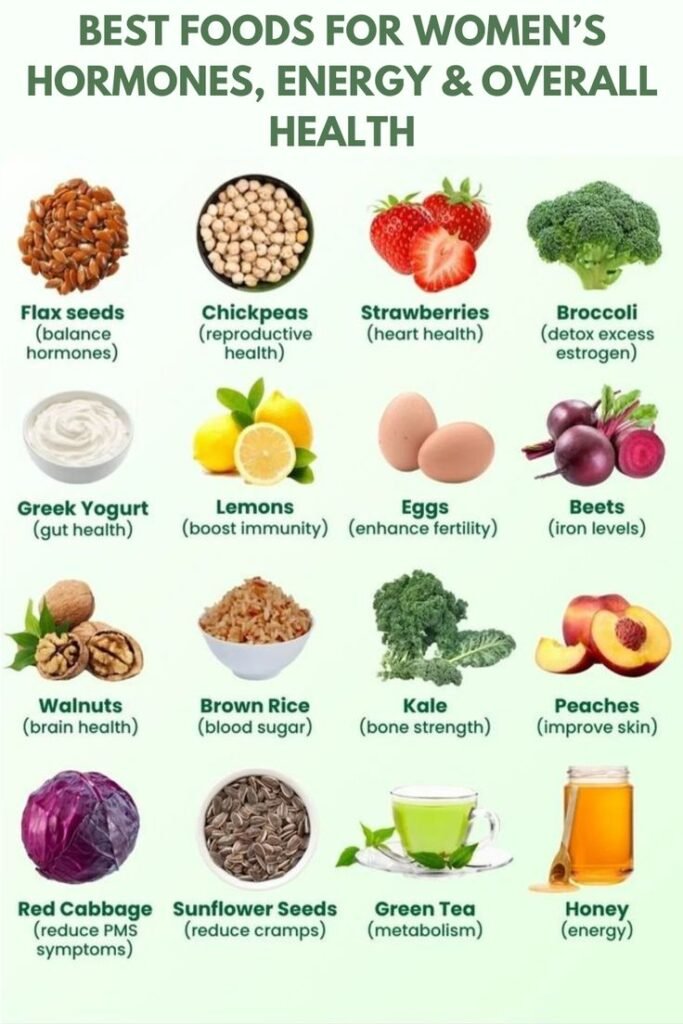
Estrogen balance is essential for many female health issues, and certain foods can assist. Flaxseeds are rich in lignans, phytoestrogens that can help stabilize estrogen levels. Incorporating flaxseeds into smoothies or oatmeal can be a simple way to reap these benefits. Additionally, soy products, such as tofu and edamame, contain isoflavones. These compounds may mimic estrogen in the body, offering a supportive role in maintaining hormonal balance.
2. Foods that Support Progesterone Levels
Progesterone is significant for regulating the menstrual cycle and supporting pregnancy. Foods high in vitamin B6, such as chickpeas and potatoes, aid in the production of progesterone. Consuming probiotics found in yogurt and fermented foods can enhance gut health, which is important for effective hormone regulation. Avocado, rich in healthy fats, also supports progesterone synthesis by contributing to overall endocrine function.
3. Foods that Help with Insulin Sensitivity
Insulin sensitivity is vital for metabolic health and can influence hormonal balance. Including leafy greens, such as spinach and kale, in one’s diet can help improve insulin response due to their high fiber content. Additionally, including whole grains like quinoa and oats provides necessary nutrients and fibers that slow digestion, helping to stabilize blood sugar levels. Berries are another excellent option, as they are low in sugar and high in antioxidants, supporting overall hormonal health.
Incorporating these foods into the diet can significantly impact women’s hormonal health, providing a natural way to manage hormonal fluctuations.
Practical Tips for Incorporating Hormone-Friendly Foods into Your Diet
Incorporating hormone-friendly foods into your diet can significantly enhance your overall hormonal health. A well-planned dietary approach can help manage hormonal fluctuations and support reproductive health. To begin with, meal planning plays a crucial role. Take some time each week to outline your meals, focusing on including a variety of whole foods rich in nutrients. Focus on foods such as leafy greens, fatty fish like salmon, legumes, and nuts, which are known to support hormonal balance.
Moreover, preparing simple and nutritious recipes can make healthy eating enjoyable and sustainable. For breakfast, consider a smoothie made with spinach, banana, and almond milk blended with a spoonful of nut butter. Lunch can be a quinoa salad packed with chickpeas and colorful vegetables; this dish is not only filling but also rich in fiber, which aids digestion and hormonal balance.
For dinners, grilled chicken or tofu served alongside roasted sweet potatoes and broccoli can provide protein and essential vitamins. These types of meals not only cater to hormone health but also satisfy the palate. Additionally, consider swapping out processed snacks for healthier options, such as Greek yogurt with berries or a handful of raw nuts, which offer a balance of protein, fat, and carbohydrates to help stabilize blood sugar levels.
Finally, complementing your dietary changes with certain lifestyle adjustments can enhance the benefits. Regular physical activity, adequate sleep, and stress management practices like yoga can synergize with a balanced diet to promote hormonal equilibrium. By implementing these practical tips and embracing hormone-supportive foods, individuals may find it easier to achieve better bodily harmony and improved well-being.