
Understanding Dietary Fat: Types and Functions
Dietary fat is an essential macronutrient that plays a crucial role in numerous physiological functions within the human body. Understanding the different types of dietary fats—saturated, unsaturated, and trans fats—can help in making informed dietary choices and dispelling common myths associated with fat consumption.
Thank you for reading this post, don't forget to subscribe!Saturated fats are typically solid at room temperature and are primarily found in animal products such as meat, butter, and cheese, as well as some plant oils like coconut and palm oil. While they have been linked to elevated levels of LDL cholesterol, recent studies suggest that the relationship between saturated fat intake and heart disease may not be as straightforward as previously believed. Moderation is key, and when consumed in balance with unsaturated fats, saturated fats can be part of a healthy diet.
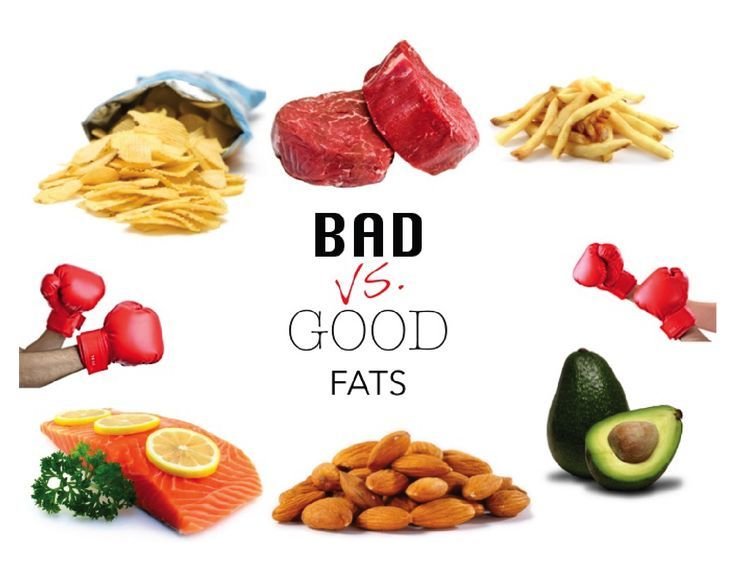
On the other hand, unsaturated fats, which include both monounsaturated and polyunsaturated fats, tend to be liquid at room temperature and are known for their health benefits. They can be found in foods such as olive oil, avocados, nuts, and fatty fish. These fats play a pivotal role in hormone production, absorption of fat-soluble vitamins (A, D, E, K), and maintaining healthy cell membranes. Omega-3 and Omega-6 fatty acids, components of polyunsaturated fats, are particularly important for brain function and heart health.
Lastly, trans fats are artificially created through hydrogenation and are found in certain processed foods, such as margarines and snack products. These fats are associated with numerous health risks and are best avoided altogether. Understanding these various types of dietary fats allows individuals to appreciate their different roles and impacts on health, while also urging a balanced intake that contributes positively to overall well-being. By clarifying misconceptions around dietary fat, it becomes evident that fats, in appropriate amounts, can be vital for maintaining health and preventing disease.
The Caloric Balance: How Fat Contributes to Weight Gain
The concept of caloric balance is fundamental in understanding how dietary fat plays a role in weight gain. Essentially, weight gain transpires when an individual’s caloric intake exceeds their caloric expenditure. Therefore, for any macronutrient, including dietary fat, the relationship to weight gain hinges not solely on the quantity consumed but also on an individual’s overall caloric management.
Fats, as part of our diet, are energy-dense macronutrients, providing approximately nine calories per gram, compared to four calories per gram for proteins and carbohydrates. This energy density can result in a significant caloric increase if fats are consumed in excess. However, it is a common misconception that simply consuming fatty foods leads directly to fat gain. Instead, it is the surplus of calories from all food sources, coupled with a sedentary lifestyle, that can result in increased body fat.
When assessing dietary habits, it is crucial to consider the quality of fats incorporated into one’s diet. Unsaturated fats, for instance, found in foods like nuts, seeds, avocados, and olive oil, can contribute positively to overall health when consumed mindfully. In contrast, trans fats and excessive saturated fats are associated with negative health impacts and should be minimized. Furthermore, the role of non-nutritional factors, such as stress, sleep, and physical activity, also plays a vital role in weight management, emphasizing that a holistic approach is necessary for effective weight control.
The takeaway is that while dietary fat is a critical component of the diet, it is the overall caloric intake and expenditure that will ultimately dictate body fat levels. Maintaining a balanced diet, within the context of a healthy lifestyle, will yield more sustainable weight management results.
The Science Behind Fat Storage and Metabolism
The human body possesses a complex system for processing and storing dietary fat, which plays a crucial role in energy balance and overall metabolism. When we consume foods that contain fats, these dietary lipids undergo digestion and are broken down into their component fatty acids and glycerol. These simpler molecules can then be absorbed into the bloodstream, leading to their transport to various tissues in the body.
The metabolic pathway for fat storage begins when excess dietary fat is ingested. In particular, when caloric intake exceeds the body’s energy expenditure, the surplus is often converted into adipose tissue. This process is facilitated by several hormones, with insulin being the most notable. After a meal, insulin levels rise, promoting the uptake of glucose and fatty acids into cells, while simultaneously inhibiting lipolysis, which is the breakdown of stored fat. The result is an increased accumulation of fat in adipose cells.
In addition to insulin, other hormones such as glucagon and cortisol also play vital roles in fat metabolism. Glucagon encourages the mobilization of fatty acids from adipose tissues for energy when blood sugar levels are low, while cortisol is involved in fat maintenance during stress responses. This intricate balance between mobilization and storage is essential for maintaining energy homeostasis.
Furthermore, the body utilizes dietary fat not only for energy but also for vital physiological processes, including the absorption of fat-soluble vitamins and the production of hormones. During periods of fasting or increased physical activity, stored fat can be converted back into usable energy through beta-oxidation, essentially breaking down fatty acids to generate ATP, the energy currency of the cell.In conclusion, understanding how the body processes and stores dietary fat is important for both nutrition and health. By recognizing the metabolic pathways and the hormonal influences on fat storage, individuals can make more informed dietary choices to manage body weight and overall health.
In the pursuit of a balanced diet, it is essential to differentiate between healthy and unhealthy fats. Healthy fats, such as those derived from avocados, nuts, seeds, and olive oil, can provide your body with essential fatty acids. These fats are crucial for overall health, including supporting heart health and assisting in the absorption of vitamins. On the contrary, unhealthy fats, often found in processed foods and trans fats, should be limited. These fats can contribute to health issues, including increased fat gain and other metabolic disorders.
To make informed choices regarding fat consumption, it is helpful to learn how to read food labels effectively. Look for products that contain unsaturated fats while minimizing those high in saturated and trans fats. Additionally, ingredient lists can shed light on the quality of fat sources; prioritize whole, minimally processed foods.
Incorporating a variety of fruits, vegetables, and whole grains into your daily meals can also support a balanced diet. These food groups are rich in vital nutrients and fiber, which helps to promote satiety and overall health. Striving to fill half your plate with these foods can ensure that you receive the necessary vitamins and minerals while maintaining mindful eating habits.
Mindfulness plays a crucial role in dietary choices and portion control. Being attentive to your hunger cues and taking time to savor your meal can help prevent overeating and foster a healthier relationship with food. Practicing portion control allows you to enjoy a diverse range of foods without excessive intake of unhealthy fats that may lead to fat gain.
Ultimately, adopting sustainable dietary habits that prioritize healthy fats, whole foods, and mindful eating will support your overall health and help prevent unwanted fat accumulation. This holistic approach to nutrition encourages not only weight management but a lifestyle that nurtures well-being.