
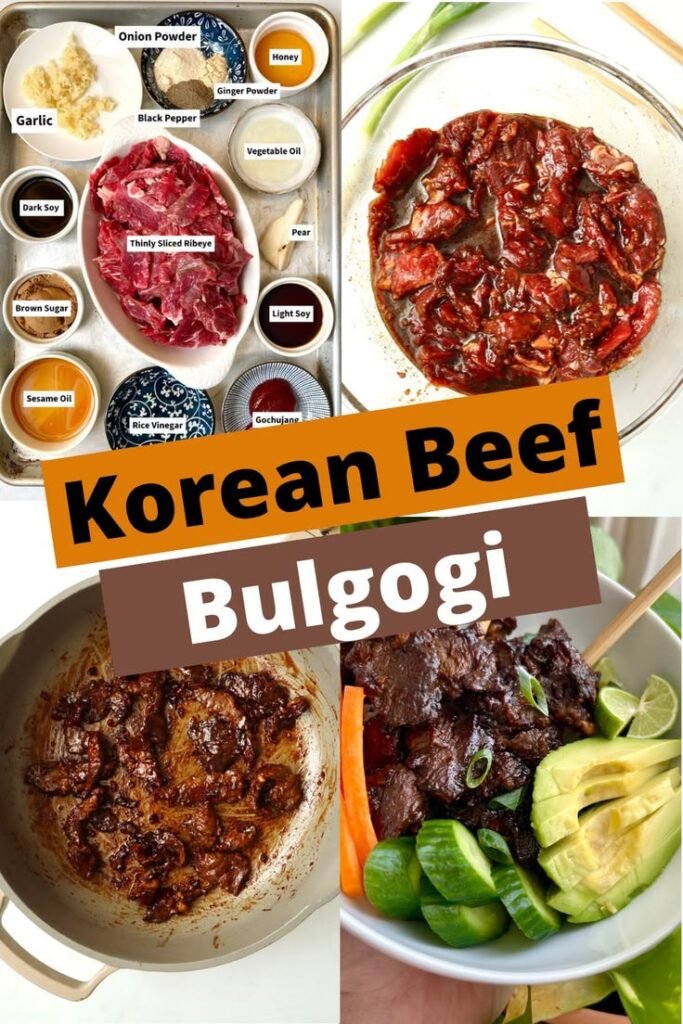
What is Bulgogi?
The term bulgogi translates to “fire meat” in Korean, which aptly describes the method of preparation typically used for this dish. Bulgogi has its roots in ancient Korean cuisine, with historical references dating back to the Goguryeo kingdom (37 BC – 668 AD). Initially, it was a dish reserved for the elite, often enjoyed during festive occasions or celebrations. Over the centuries, bulgogi evolved and found its way into the daily diet of common people, becoming a versatile and popular meal across Korea.
Traditionally, bulgogi is made from thinly sliced beef marinated in a savory blend of soy sauce, sesame oil, garlic, and sugar. This marinade not only tenderizes the meat but also imparts a rich flavor that enhances the overall taste of the dish. While beef remains the most common meat choice for bulgogi, pork and chicken variations are also prevalent, adding diversity to its preparation.
The preparation of bulgogi can vary significantly across different regions of Korea. For instance, the Jeonju region is famous for its marinated bulgogi served with a spicy sauce, while Gwangju features a savory twist with additional vegetables. Furthermore, modern adaptations of bulgogi have begun to incorporate global influences, allowing for creative presentations such as bulgogi tacos and bulgogi burgers.
Culturally, bulgogi holds a special place in Korean society. It is often served during family gatherings, celebrations, and important social events, signifying unity and togetherness. The communal aspect of enjoying this dish, often grill-cooked at the table, emphasizes the importance of shared meals in Korean tradition. Overall, bulgogi represents not just a culinary delight but also a vibrant symbol of Korea’s rich history and evolving gastronomy.
Ingredients for Spicy Korean Chili Beef Bulgogi
To create a mouthwatering dish of spicy Korean chili beef bulgogi, it is essential to gather all the right ingredients. The primary ingredient is beef; the best cuts often include ribeye or sirloin, known for their tenderness and rich flavor. These cuts can be easily sliced into thin strips, ensuring quick marination and cooking.
The marinade is crucial in infusing the bulgogi with its distinct taste. A typical marinade consists of soy sauce, sesame oil, and sugar, which work together to create a balanced flavor profile. For a spicy kick, incorporate gochujang (Korean chili paste) or gochugaru (Korean chili flakes). These ingredients not only add heat but also contribute to the dish’s vibrant red color.
Additional ingredients that enhance the bulgogi experience are minced garlic and grated ginger. These aromatics provide depth of flavor, making each bite more appetizing. To further elevate the dish, thinly sliced onions and scallions can be added, as they provide sweetness and freshness. Some recipes also suggest including sliced carrots or mushrooms, offering additional textures and flavors.
Beyond the essentials, there are optional ingredients that allow for customization. For those who prefer an extra layer of flavor, adding a splash of rice wine or a dash of black pepper can enhance the marinade. For a fresher touch, a handful of sesame seeds can be sprinkled on top before serving. When selecting meat, opting for grass-fed or premium quality beef is advisable, as it tends to taste better and is of higher nutritional value. Choosing fresh vegetables will also enhance the overall taste and presentation of the bulgogi.
In summary, preparing a delicious spicy Korean chili beef bulgogi requires a careful selection of ingredients, with an emphasis on quality meat, flavorful marinades, and fresh vegetables. These components together create a dish that is both enjoyable and satisfying.
How to Prepare Spicy Korean Chili Beef Bulgogi Quickly
Preparing Spicy Korean Chili Beef Bulgogi is an efficient process that ensures you can enjoy this delightful dish in no time. The key to achieving the authentic flavors of bulgogi lies in the marinating process and selecting the right cooking method. Here’s a quick guide to get you started.
To begin, select high-quality beef cuts such as sirloin or ribeye, as these will add tenderness and juiciness to your dish. Cut the beef into thin, bite-sized slices to allow for fast cooking and effective marination. Using a meat mallet can help further tenderize the beef, aiding in both flavor absorption and a quicker cooking time.
Next, prepare the marinade, which is crucial for that signature spicy bulgogi taste. Combine soy sauce, gochujang (Korean chili paste), garlic, ginger, sesame oil, and a touch of sugar in a bowl. This mixture will not only enhance the beef’s flavor but also provide the spicy kick that bulgogi is famous for. Allow the beef to marinate for at least 15-30 minutes; if time permits, marinating for several hours or overnight will yield even better results.
When you’re ready to cook, you have several convenient options. For a quick and authentic experience, using a stovetop skillet or a grill pan is recommended. Heat the pan on medium-high heat and add a small amount of oil to prevent sticking. Sear the marinated beef in batches to ensure an even cook without crowding the pan. Cooking times will vary, but typically, each batch should take around 5-7 minutes until the beef is tender and caramelized.
Alternatively, if you have access to an outdoor grill, this method imparts a delightful smoky flavor. Preheat the grill and cook the beef slices, flipping them often until they reach the desired doneness. Both methods promise a delicious and spicy meal that can be served with rice or wrapped in lettuce for an added crunch.
Serving Suggestions and Pairings
Spicy Korean chili beef bulgogi is a versatile dish that can be enjoyed in various ways, enhancing both its flavor and presentation. A traditional pairing includes serving it over a bed of steamed white rice, which beautifully complements the rich, spicy flavors of the marinated beef. The simplicity of rice allows the bold taste of the bulgogi to shine through, providing a well-rounded meal.
In addition to rice, kimchi is an essential side dish that accompanies bulgogi. The fermented vegetables add a refreshing crunch and a contrasting acidity that balances the heat from the chili marinade. Consider incorporating various types of kimchi, such as napa cabbage or radish, to add depth and diversity to your meal. Other popular side dishes include pickled vegetables, known as banchan, which introduce more flavors and textures to your dining experience.
If you seek a unique twist, try serving spicy Korean chili beef bulgogi in lettuce wraps. Wrap the beef in fresh lettuce leaves along with slices of cucumber, carrots, and a drizzle of sesame oil for a delightful hand-held meal. Alternatively, you can create bulgogi sandwiches using crusty bread or burger buns, topped with fresh vegetables and your choice of sauce for a fusion-inspired dish.
Besides the main dish and sides, beverage pairings can elevate the overall dining experience. Light, crisp drinks such as a dry lager or a refreshing soju cocktail may complement the bold flavors of bulgogi perfectly. For a non-alcoholic option, cold barley tea or iced herbal tea offers a soothing contrast to the spicy notes, ensuring a satisfying meal.

