
Understanding Type 2 Diabetes
Type 2 diabetes is a chronic condition that affects the way the body processes glucose, a vital source of energy. Unlike type 1 diabetes, where the body’s immune system destroys insulin-producing cells in the pancreas, type 2 diabetes arises primarily due to insulin resistance, where the cells do not respond effectively to insulin. Over time, the pancreas struggles to produce sufficient insulin to maintain normal glucose levels, leading to elevated blood sugar levels.
Thank you for reading this post, don't forget to subscribe!The development of this condition is influenced by various factors. Lifestyle choices, such as a sedentary lifestyle, poor diet, and obesity, significantly increase the risk of type 2 diabetes. Excess body weight, particularly around the abdomen, is a well-documented risk factor, as it leads to increased fat accumulation in the liver and muscle cells, further worsening insulin sensitivity.
Genetics also plays a crucial role; individuals with a family history of type 2 diabetes are at an increased risk. Additionally, certain ethnic groups, including African Americans, Hispanic Americans, Native Americans, and some Asian Americans, demonstrate a higher predisposition to this condition. Environmental factors such as socioeconomic status, access to healthcare, and exposure to chronic stress further compound the risk of developing type 2 diabetes.
Insulin resistance, if not addressed, can lead to long-term health complications, including cardiovascular disease, kidney damage, and nerve damage. As a result, early prevention is critical. Understanding the causes and recognizing the risk factors allow individuals to make informed lifestyle changes aimed at reducing their susceptibility to type 2 diabetes. By adopting healthy habits, such as regular physical activity and balanced nutrition, it is possible to mitigate risks and maintain better overall health.
Lifestyle Changes to Prevent Type 2 Diabetes
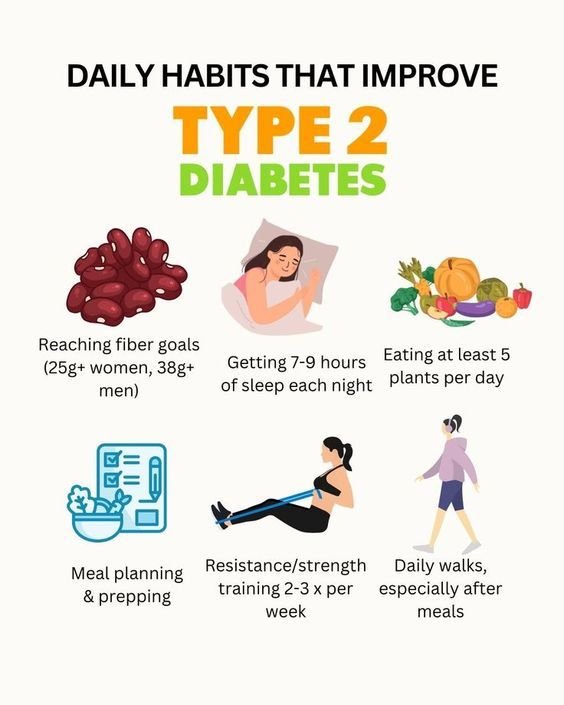
Preventing type 2 diabetes is attainable through a series of practical lifestyle changes that focus on enhancing overall well-being. One of the most effective strategies is to adopt a balanced diet that emphasizes whole foods. Incorporating a variety of fruits, vegetables, whole grains, lean proteins, and healthy fats can help regulate blood sugar levels and improve cardiovascular health. These food choices are rich in essential nutrients and provide fiber, which is crucial for digestive health and can aid in weight management, a key factor in diabetes prevention.
In addition to dietary changes, engaging in regular physical activity is paramount. Aim for at least 150 minutes of moderate-intensity exercise each week, such as brisk walking, cycling, or swimming. This not only contributes to calorie burning but also improves insulin sensitivity, which is vital for preventing type 2 diabetes. Simple changes like taking the stairs instead of the elevator or parking further away can significantly increase daily movement and contribute to a healthier lifestyle.
Weight management is another critical component. Even a modest weight loss of 5-7% of body weight can significantly lower the risk of developing type 2 diabetes, particularly for those with prediabetes. Establishing a healthy weight can be achieved through a combination of mindful eating practices and physical activity. Tracking food intake and setting realistic goals can create a sustainable path toward achieving and maintaining a healthy weight.
Lastly, stress reduction techniques such as mindfulness, yoga, or meditation can play a significant role in diabetes prevention. Chronic stress may affect blood sugar regulation and increase cravings for unhealthy foods, thus comprehension of stress management strategies can contribute to better health outcomes.
Monitoring Your Health: Key Metrics to Track
Regular health check-ups play a vital role in identifying risks associated with type 2 diabetes. By actively monitoring specific health metrics, individuals can assess their health status and better understand how their lifestyle choices may affect their risk. Three primary metrics worth tracking include blood sugar levels, body mass index (BMI), and cholesterol levels.
Blood sugar levels serve as a crucial indicator of glucose management in the body. Elevated blood sugar, or hyperglycemia, can signify insulin resistance, a precursor to type 2 diabetes. Individuals are encouraged to undergo blood tests such as the fasting plasma glucose test or the hemoglobin A1C test. Maintaining awareness of their blood sugar levels can prompt timely dietary adjustments or lifestyle changes to mitigate any developing risks.
Body mass index (BMI) provides a simple calculation based on a person’s height and weight, classifying them into categories such as underweight, normal weight, overweight, or obese. Higher BMI values correlate with an increased risk of developing type 2 diabetes. It is essential for individuals to monitor their BMI and, where necessary, work towards achieving a healthier weight through balanced diets and regular exercise.
Lastly, monitoring cholesterol levels is fundamental in assessing cardiovascular health, which is often interconnected with diabetes risk. High levels of low-density lipoprotein (LDL) cholesterol and low levels of high-density lipoprotein (HDL) cholesterol can increase the likelihood of heart disease and have implications for blood sugar regulation. Regular lipid panels help keep track of these levels, enabling individuals to implement necessary lifestyle changes.
By staying informed about these key metrics, individuals can create a targeted approach to health that prioritizes diabetes prevention. Awareness and proactive management of one’s health status are essential steps in reducing the risk of developing type 2 diabetes.
Building a Support System for Diabetes Prevention
Preventing type 2 diabetes is a multifaceted endeavor that benefits greatly from a robust support system. Surrounding oneself with a network of family, friends, and healthcare professionals can significantly enhance the chances of successfully adopting and maintaining healthy lifestyle changes. A supportive environment not only encourages accountability but also allows for shared experiences and motivation, which can be paramount in achieving health-related goals.
Engaging family members in your health journey creates an opportunity for collective participation in healthy diets and physical activities. For example, cooking nutritious meals together or participating in weekend fitness activities such as hiking or cycling can foster a sense of camaraderie and shared responsibility. Additionally, setting common goals with loved ones, such as completing a specific fitness challenge or reducing sugar intake, can enhance motivation and commitment to diabetes prevention.
Friends can also play a crucial role in helping to normalize lifestyle changes. Sharing your goals with friends can prompt them to join in your efforts, leading to mutual encouragement and making the journey to prevent type 2 diabetes more enjoyable. Verbalizing your intentions strengthens resolve, as you open yourself up to support and possibly even inspiring them to consider their health.
Moreover, engaging healthcare professionals is vital in building a well-rounded support system. Nutritionists, dietitians, and diabetes educators provide valuable insights and evidence-based recommendations tailored to individual needs and circumstances. Attending group sessions or community workshops often fosters a sense of belonging and strengthens the support framework. Through regular communication with healthcare providers, individuals can stay informed, reassess goals, and refine strategies to effectively prevent type 2 diabetes.

