
Understanding Sunlight and Its Components
Sunlight is a powerful natural resource composed of various components that interact with the human body in unique ways. The three primary components of sunlight are ultraviolet (UV) rays, visible light, and infrared radiation. Each element plays a significant role in influencing our health and well-being.
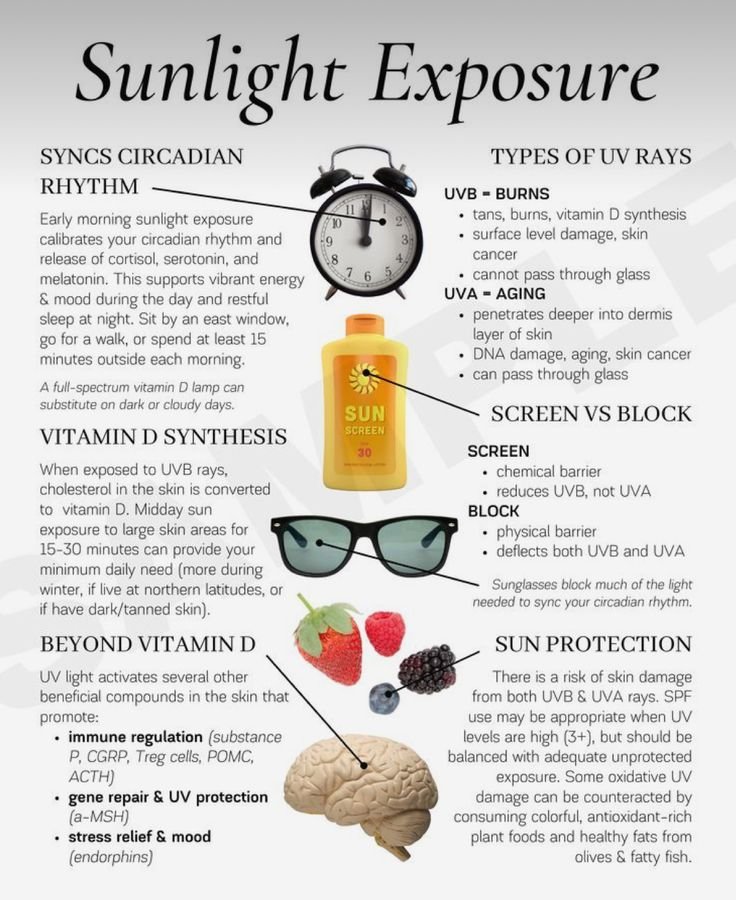
Thank you for reading this post, don't forget to subscribe!Ultraviolet (UV) rays are categorized into three types: UVA, UVB, and UVC. UVA rays penetrate the skin deeply and contribute to skin aging and the development of certain skin cancers. Conversely, UVB rays are primarily responsible for stimulating the production of vitamin D in the skin, which is crucial for maintaining various bodily functions, including bone health and immune system support. UVC rays, on the other hand, are largely absorbed by the Earth’s atmosphere and do not reach the surface, making them less of a concern regarding health impacts.
Visible light, the spectrum of sunlight that we can see, plays an essential role in regulating mood and enhancing overall mental health. It influences circadian rhythms, which are fundamental to sleep regulation and overall metabolic health. Increased exposure to visible light can help combat seasonal affective disorder (SAD) and improve mood through mechanisms linked to melatonin and serotonin levels.
Infrared radiation, while often overlooked, contributes to warmth and can have relaxing effects on the body. Some studies suggest that infrared exposure may promote circulation and help alleviate muscle tension. Understanding these components of sunlight is crucial for recognizing their health benefits and optimizing our exposure responsibly.
In summary, sun exposure does not merely contribute to aesthetics but is fundamentally intertwined with various physiological processes that are vital for overall health. By appreciating the intricacies of sunlight’s components, individuals can make informed decisions about their sun exposure, harnessing potential health benefits while minimizing risks.
The Psychological Benefits of Sunlight Exposure
Sunlight exposure has long been acknowledged as an important factor in promoting physical health, yet its psychological benefits deserve equal recognition. Numerous studies have indicated a significant correlation between sunlight exposure and the enhancement of mood, suggesting that natural light serves as a powerful ally in mental health management. Sunlight triggers the release of serotonin, a neurotransmitter that greatly influences feelings of happiness and well-being. Higher levels of serotonin are associated with a more positive mood and decreased feelings of depression.
Research has shown that individuals who spend ample time in natural sunlight exhibit lower rates of anxiety and enhanced overall mental health. This effect can be particularly impactful during the winter months when many individuals may experience diminished sunlight exposure, leading to conditions such as seasonal affective disorder (SAD). This mood disorder is characterized by depressive symptoms that occur at certain times of the year, particularly in the winter when daylight hours are reduced. Evidence suggests that exposure to sunlight can alleviate symptoms associated with SAD, effectively improving mood and reducing feelings of lethargy.
The biochemical processes initiated by sunlight are fundamental to understanding these psychological benefits. When ultraviolet rays hit the skin, they facilitate the production of Vitamin D and serotonin. This natural response not only enhances mood but also promotes cognitive functions, such as memory and focus. Therefore, exposing oneself to sunlight daily can significantly contribute to an improved sense of well-being and mental clarity, demonstrating the mind-body connection that is vital for overall health.
By incorporating sunlight exposure into daily routines, whether through outdoor activities or simply letting natural light into our homes, individuals can harness these psychological benefits. In doing so, one can potentially reduce symptoms of anxiety and depression, making sunlight a key factor in enhancing mental wellness.
Sunlight and Physical Health: What You Need to Know
Sunlight exposure plays a critical role in various physiological processes in the body, extending far beyond its widely known contribution to vitamin D synthesis. One of the notable effects of sunlight is its regulation of circadian rhythms, which are the natural cycles our bodies follow in response to light and darkness. Exposure to natural light during the day helps to enhance the production of melatonin at night, leading to improved sleep quality. Circadian rhythm alignment is essential for maintaining not only sleep patterns but also overall metabolic health.
Furthermore, research has suggested a potential link between regular sunlight exposure and a lowered risk of chronic diseases, including heart disease and specific types of cancer. Natural light exposure may help lower blood pressure through increased nitric oxide production, which has vasodilatory effects, contributing to better cardiovascular health. Some studies have even indicated that the risk of certain skin cancers may be reduced when adequate sunlight exposure is balanced properly with skin protection methods.
Additionally, sunlight impacts skin health positively. UV radiation from sunlight prompts the production of essential proteins like collagen, which is vital for skin elasticity and repair. It can also enhance mood and overall well-being through the release of endorphins and serotonin, often referred to as the “feel-good” hormones, which can counteract feelings of anxiety and depression. However, it is crucial to find a healthy balance when it comes to sun exposure; while moderate sunlight is beneficial, overexposure can lead to skin damage and increase the risk of skin cancers. Adopting safe sun practices, such as using sunscreen and wearing protective clothing, can help mitigate the risks while allowing one to enjoy the health benefits of sunlight.
Best Practices for Healthy Sunlight Exposure
Engaging in safe sunlight exposure is essential for reaping the benefits of sunlight on health while mitigating potential risks. To maximize positive effects, individuals should follow specific guidelines regarding timing, duration, and protective measures.
One of the most important factors to consider is the time of day for sunlight exposure. The sun’s rays are typically the strongest between 10 a.m. and 4 p.m., when UV radiation levels peak. For optimal health benefits while minimizing risk, it is advisable to seek sunlight in the early morning or late afternoon when the rays are less intense. This approach not only reduces the likelihood of skin damage but also enhances the body’s capacity to synthesize vitamin D effectively.
Duration of exposure is another crucial element. Generally, around 15 to 30 minutes of direct sunlight several times a week is sufficient for most individuals to maintain healthy vitamin D levels. However, this duration may vary based on skin type, location, and time of year. Therefore, it is advisable to start with shorter intervals and gradually increase exposure while monitoring your body’s response.
The use of sunscreen is a fundamental aspect of sun safety. A broad-spectrum sunscreen with an SPF of at least 30 should be applied generously to all exposed skin, irrespective of the duration of sunlight exposure. This protective measure helps prevent harmful effects such as sunburn and long-term skin damage. Additionally, wearing protective clothing and seeking shade during peak sunlight hours can further reduce risk.
Lastly, moderation and self-awareness play pivotal roles in healthy sun exposure. Pay attention to signs of overexposure, such as redness or discomfort, and adjust your habits accordingly. Striking a balance between enjoying sunlight and protecting your skin health is vital for sustaining long-term well-being.

