
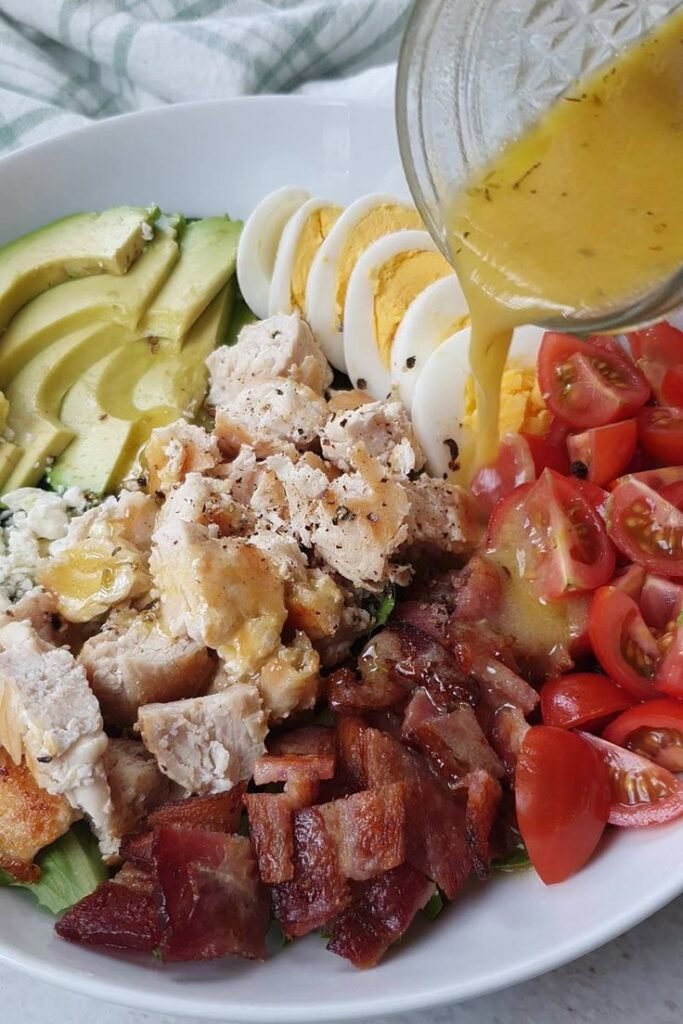
Introduction to Protein-Packed Salads
Salads often have an undeserved reputation for being mundane or insubstantial. However, by incorporating protein-rich ingredients, it is entirely possible to create exciting and flavorful protein-packed salads that offer both nutrition and taste. Protein is an essential macronutrient that plays a vital role in the body, aiding in muscle repair, immune function, and the production of hormones and enzymes. For those engaged in physical activities or looking to maintain a healthy lifestyle, including an adequate amount of protein in meals is crucial.
Protein-packed salads provide a well-rounded option for individuals seeking balanced nutrition. They are especially appealing as they can be customized to accommodate various dietary preferences, whether one is vegetarian, vegan, or omnivorous. Popular sources of protein that can boost the heartiness of salads include legumes such as chickpeas and black beans, grains like quinoa and farro, dairy products such as feta or goat cheese, and various types of meats including chicken, turkey, or grilled fish.
Incorporating these protein sources into your salads not only enhances their nutritional profile but also adds diverse textures and flavors. For instance, the creamy consistency of cheese can be contrasted with the crunchiness of fresh vegetables, while hearty grains can create a satisfying base. This dynamic combination transforms the typical perception of salads as mere sides into enticing main dishes that leave you feeling full and nourished. Exploring the variety of protein options allows for creative culinary experiments, ensuring that mealtime is anything but boring.
Creative Ingredients to Elevate Your Salads
Salads need not be synonymous with boredom; on the contrary, they can become a culinary adventure by incorporating creative and protein-rich ingredients. One such ingredient is seitan, a wheat-based protein that mimics meat’s texture and is an excellent source of protein for those seeking alternatives to animal products. Adding seitan to a salad not only boosts its protein content but also creates a satisfying chewiness that enhances the overall dining experience.
Another fantastic protein source is chickpeas, commonly found in Mediterranean and Middle Eastern dishes. Tossing roasted chickpeas into your salad can add a delightful crunch and a nutty flavor. Additionally, chickpeas are extremely versatile; they can be pureed into a creamy dressing or blended into a hummus for a unique salad topping, thereby enriching your meal with fiber and protein.
Edamame, young soybeans, are another innovative way to amp up the protein in your salad. They bring a fresh, slightly sweet flavor and vibrant color, making your dish not only nutritious but also visually appealing. These legumes can be easily steamed and tossed into your salad for an extra protein punch.
Incorporating nuts and seeds is another tactic to enhance texture while contributing to the protein content. Almonds, walnuts, pumpkin seeds, or sunflower seeds can add a delightful crunch, turning an ordinary bowl of greens into a satisfying meal. Alongside these ingredients, consider experimenting with flavorful dressings that balance the meal’s ingredients. Dressings made with tahini or yogurt provide a rich base while amplifying flavors, resulting in a delightful culinary experience.
Five Delicious Recipes to Try
For those looking to enhance their meals with nutritious and protein-packed salads, we present five delectable recipes that are sure to invigorate your dining experience. Each recipe combines varied ingredients to showcase a range of flavors and textures.
1. Quinoa and Black Bean Salad
This vibrant salad is rich in protein and fiber. Combine 1 cup of cooked quinoa, 1 can of rinsed black beans, 1 diced bell pepper, 1 cup of corn, and ¼ cup of chopped cilantro. Dress with lime juice, olive oil, cumin, salt, and pepper to taste. This salad is not only filling but also refreshingly tasty.
2. Greek Yogurt Chicken Salad
Swap out mayonnaise for Greek yogurt to create a lighter take on traditional chicken salad. Use 2 cups of cooked, shredded chicken breast, ½ cup Greek yogurt, 1 stalk of diced celery, 1 apple (diced), and ¼ cup chopped walnuts. Season it with salt, pepper, garlic powder, and a splash of lemon juice. Serve it on a bed of greens or in a sandwich.
3. Lentil and Roasted Vegetable Salad
Packed with protein, this warm salad features 1 cup of cooked lentils, roasted zucchini, bell peppers, and carrots. Toss with a dressing of balsamic vinegar, olive oil, and herbs. Garnish with crumbled feta for added flavor and creaminess.
4. Spinach and Chickpea Salad
For a protein-rich green salad, mix 2 cups of fresh spinach, 1 can of rinsed chickpeas, 1 diced cucumber, and ½ cup of cherry tomatoes. Drizzle a simple dressing made of lemon juice, olive oil, salt, and pepper. This salad offers a satisfying crunch with every bite.
5. Asian Tofu Salad
For a twist, try this protein-packed salad featuring cubed, pan-fried tofu. Combine with shredded cabbage, carrots, and edamame. Dress with a mixture of soy sauce, sesame oil, and rice vinegar for an umami boost. Top with sesame seeds for a delightful crunch.
These five unique salad recipes highlight the versatility of protein-packed salads that cater to diverse tastes and nutritional needs. They promise not only to satisfy hunger but also to excite the palate.
Tips for Meal Prepping and Storing Salad Ingredients
Meal prepping is an essential practice for anyone looking to enjoy protein-packed salads throughout the week without sacrificing quality or freshness. Understanding how to wash, store, and prepare your ingredients can significantly enhance both taste and convenience. Start with greens, one of the key components of a salad. Thoroughly wash your greens in cold water to remove any dirt or pesticides, then spin them dry using a salad spinner. To prolong freshness, store washed greens in an airtight container lined with paper towels to absorb moisture. Placing the container in the refrigerator can keep your greens crisp for up to a week.
Next, consider preparing your protein sources in advance. Cooking proteins such as chicken, tofu, or beans can be done in larger batches. After cooking, allow them to cool completely before storing them in separate containers. This practice not only saves time but also ensures that you have ample protein available to add to your salads when needed. Be mindful, however, of the type of protein you choose; while some proteins can maintain their texture and flavor even after a few days, others might become less appealing over time.
Finally, to keep your salads looking and tasting fresh after a few days in the refrigerator, consider storing ingredients separately until you are ready to eat. For example, you can keep chopped vegetables and proteins in separate containers, then combine them with your greens just before serving. Additionally, using dressings sparingly or storing them separately can help prevent sogginess. By applying these meal prepping strategies, you can enjoy a variety of delectable protein-packed salads that remain both visually appealing and flavorful all week long.