
Understanding Gut Health
The concept of gut health has garnered significant attention in recent years, and for good reason. The gut, primarily the digestive tract, plays a pivotal role in overall wellness. A balanced gut microbiome, which consists of trillions of microorganisms, is essential for optimal digestion, nutrient absorption, and immune function. This diverse community of microbes contributes to breaking down food, synthesizing vitamins, and protecting against harmful bacteria.
Moreover, the importance of gut health transcends mere digestion. Emerging research suggests a substantial connection between the gut and mental health. The gut-brain axis illustrates how the gut microbiome influences mood and cognitive functions, potentially impacting conditions like anxiety and depression. This intricate relationship emphasizes that nurturing gut health is not only about physical health but also mental well-being.
Several key factors influence gut health. Diet plays a crucial role; a diverse diet rich in fruits, vegetables, whole grains, and fermented foods fosters a healthy microbiome. Conversely, excessive processed foods, high sugar intake, and artificial additives can undermine gut health. Additionally, lifestyle choices, such as regular exercise and adequate sleep, are vital in maintaining a balanced gut environment.
Stress also significantly impacts gut health, with chronic stress potentially leading to dysbiosis—a microbial imbalance. Stress management techniques such as mindfulness or yoga can be effective in promoting gut well-being. In conclusion, understanding and nurturing gut health is integral for achieving overall wellness. By recognizing the factors that contribute to a balanced microbiome, individuals can make informed choices that support not just digestive health, but also enhance immunity and mental clarity.
Benefits of Smoothies for Gut Health
Smoothies have gained popularity not just for their convenience and taste, but also for their numerous health benefits, particularly concerning gut health. One of the primary advantages of incorporating smoothies into your daily regimen is the rich nutrient profile they offer. By combining various fruits and vegetables, smoothies serve as a powerhouse of vitamins, minerals, and antioxidants that are essential for maintaining a healthy gut.
Fruits such as bananas, berries, and apples are excellent sources of dietary fiber, which plays a crucial role in promoting digestive health. Fiber helps regulate bowel movements and supports the growth of beneficial gut bacteria. Additionally, the natural sugars found in these fruits provide a quick energy source, making smoothies a fantastic option for a mid-day refreshment that doesn’t compromise gut health.
Vegetables like spinach, kale, and carrots are also beneficial ingredients for smoothies. They are low in calories yet packed with nutrients, contributing to overall digestive wellness. The chlorophyll in leafy greens can help cleanse the digestive tract, while other nutrient-dense vegetables provide health-boosting properties.
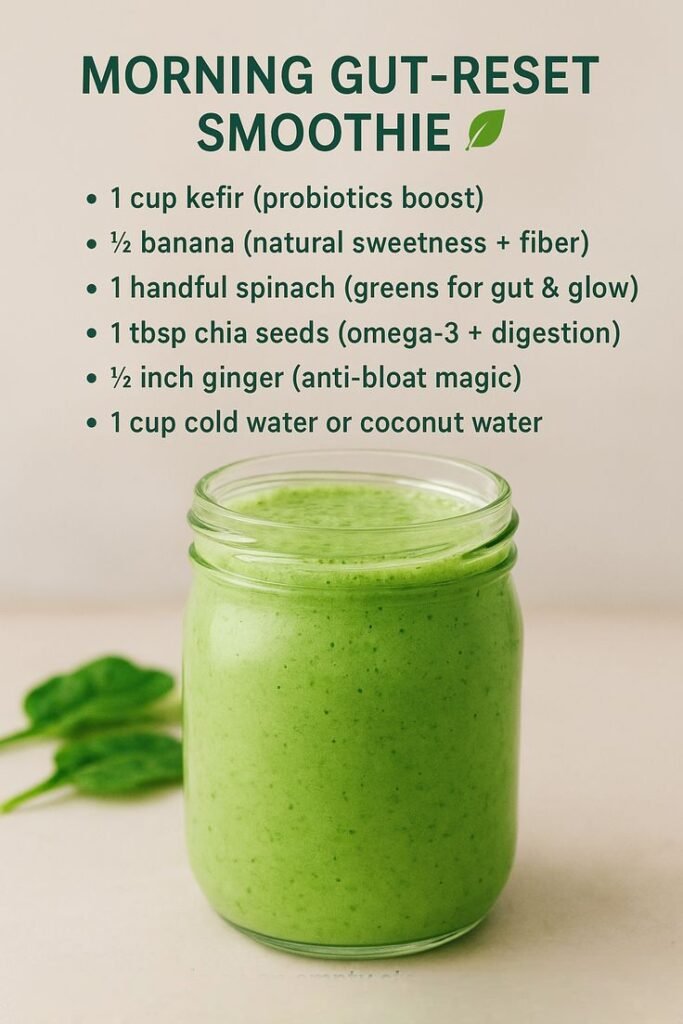
Moreover, incorporating probiotic ingredients such as yogurt or kefir into your smoothie can further enhance gut health. Probiotics are live bacteria that help balance the gut microbiome, improving digestion and potentially alleviating symptoms of digestive disorders.
To integrate smoothies effectively into your daily routine, consider starting your morning with a nutrient-rich smoothie or enjoying one as an afternoon snack. Experiment with various combinations of fruits, vegetables, and probiotics to find flavors you enjoy while ensuring that you consume a mix of nutrient-dense ingredients that support gastrointestinal health.
Easy Gut-Friendly Smoothie Recipes
Smoothies are a simple, nutritious way to support digestive health, providing an abundance of vitamins, minerals, and fiber. Below are several gut-friendly smoothie recipes that are particularly easy for beginners to prepare.
1. Banana and Spinach Smoothie
Ingredients:
– 1 ripe banana
– 1 cup fresh spinach
– 1 cup unsweetened almond milk
– 1 tablespoon almond butter
– 1 teaspoon honey (optional)
Instructions:
Combine the banana, spinach, almond milk, almond butter, and honey in a blender. Blend until smooth. This smoothie is rich in prebiotics and healthy fats, which are excellent for gut health.
2. Berry Yogurt Smoothie
Ingredients:
– 1 cup mixed berries (frozen or fresh)
– 1 cup full-fat or dairy-free yogurt
– 1 tablespoon chia seeds
– ½ cup water or juice
Instructions:
Blend the mixed berries, yogurt, chia seeds, and liquid until smooth. Berries provide antioxidants, while yogurt aids in promoting a healthy gut microbiome.
3. Avocado and Coconut Smoothie
Ingredients:
– ½ ripe avocado
– 1 cup coconut milk
– 1 tablespoon lime juice
– A handful of mint leaves
Instructions:
Blend all ingredients until creamy. Avocado adds healthy fats, while coconut milk can benefit digestion due to its medium-chain fatty acids.
For customization, feel free to substitute ingredients based on dietary preferences. For instance, those with nut allergies can swap almond milk with oat or soy milk. Adding protein powder can also enhance the nutrition content of these smoothies, making them suitable for energy boosts or post-workout recovery.
Tips for Making Perfect Smoothies
Creating a perfect smoothie begins with selecting the right blender. A high-performance blender is crucial as it will ensure that all ingredients are blended to a smooth consistency. While there are various blenders available in the market, investing in a high-quality model can save time and yield better results. Look for features such as power, capacity, and durability, which can significantly enhance your smoothie-making experience.
Balancing flavors and textures is essential for crafting a delicious gut-friendly smoothie. A good rule of thumb is to include a combination of fruits, vegetables, and a source of healthy fat, such as avocado or nut butter. Fruits such as bananas, berries, and mangoes provide natural sweetness, while leafy greens like spinach or kale add nutrient density. Additionally, incorporating yogurt or plant-based milk can contribute creaminess and improve the overall mouthfeel of your smoothie.
Moreover, enhancing the gut-friendly properties of your smoothie can be achieved by including various supplements. Ingredients like chia seeds, flaxseeds, or hemp seeds provide fiber and omega-3 fatty acids, promoting gut health. Nut butters not only add a rich flavor but also serve as a source of protein and healthy fats, contributing to your smoothie’s nutritional profile.
Finally, proper storage is vital to maintain the freshness of your smoothies. It is best to consume your smoothie immediately, but if you need to store it, use an airtight container and keep it in the refrigerator. It is advisable to consume stored smoothies within 24 hours, as the nutrients may diminish over time. By following these tips, you can create satisfying and gut-friendly smoothies that are both nutritious and enjoyable.