
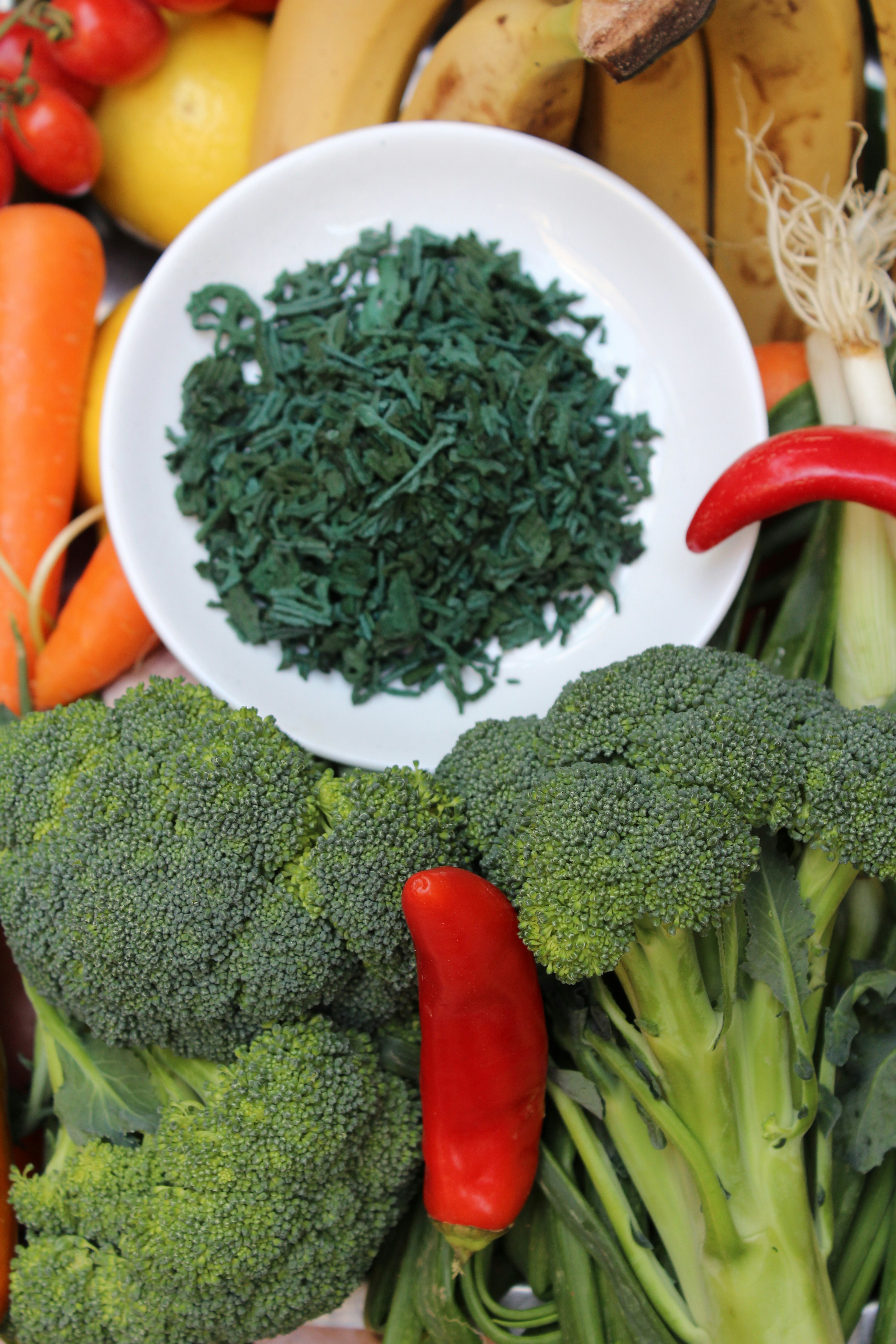
Understanding Superfoods
Superfoods are nutrient-dense foods that are considered particularly beneficial for health and well-being. These foods are often rich in vitamins, minerals, antioxidants, and other essential compounds that contribute to enhanced health outcomes. While there is no formal regulatory definition for the term “superfood,” it typically refers to foods that provide significant health benefits beyond basic nutrition.
Thank you for reading this post, don't forget to subscribe!One of the defining features of superfoods is their high concentration of nutrients in relation to their caloric content. Foods like berries, leafy greens, nuts, seeds, and certain grains exemplify this concept. They often contain antioxidant properties that can help combat oxidative stress, reduce inflammation, and lower the risk of chronic diseases such as heart disease, diabetes, and certain cancers.
Incorporating superfoods into your regular diet can provide various health advantages. For instance, these foods can enhance the immune system, improve digestion, boost energy levels, and support mental health. Furthermore, superfoods are typically rich in dietary fiber, which is essential for optimal digestive health.
It is important to emphasize that the benefits of superfoods are maximized when they are consumed as part of a varied and balanced diet. Relying solely on a few superfoods will not provide all the necessary nutrients for maintaining good health. Therefore, it is essential to incorporate a wide range of superfoods into your weekly meal plans, ensuring you receive a diverse array of nutrients. This approach not only promotes better health outcomes but also makes meals more enjoyable and interesting.
List and Benefits of 20 Superfoods
Incorporating superfoods into your diet can significantly enhance your overall health. Here are 20 superfoods that you should consider including in your weekly meal plans, along with their associated benefits:
- Blueberries: Rich in antioxidants, blueberries help combat oxidative stress and reduce the risk of chronic diseases.
- Salmon: This fatty fish is a great source of omega-3 fatty acids, which support heart health and brain function.
- Spinach: Packed with vitamins A, C, and K, spinach is known for its anti-inflammatory properties and supports eye health.
- Quinoa: A complete protein, quinoa contains all nine essential amino acids, making it an excellent choice for plant-based diets.
- Chia Seeds: High in fiber and omega-3 fatty acids, chia seeds aid digestion and promote cardiovascular health.
- Turmeric: This spice contains curcumin, known for its anti-inflammatory benefits and potential effects on brain health.
- Avocado: Full of healthy fats, avocados support heart health and provide a plethora of vitamins and minerals.
- Greek Yogurt: A good source of protein and probiotics, Greek yogurt supports gut health and a healthy immune system.
- Sweet Potatoes: Loaded with vitamins A and C, sweet potatoes also provide dietary fiber that promotes digestive health.
- Broccoli: This cruciferous vegetable is a source of sulforaphane, which may have cancer-fighting properties.
- Garlic: Known for its antimicrobial properties, garlic can enhance immune function and improve heart health.
- Nuts: Almonds, walnuts, and other nuts provide healthy fats, protein, and essential vitamins for overall wellness.
- Oats: High in soluble fiber, oats can help lower cholesterol levels and regulate blood sugar.
- Beets: Rich in nitrates, beets can improve blood flow and lower blood pressure.
- Green Tea: A potent source of antioxidants, green tea is associated with numerous health benefits, including improved metabolism.
- Cacao: Raw cacao is rich in flavonoids, which can enhance heart health and may improve mood.
- Lentils: An excellent source of protein and fiber, lentils can regulate blood sugar levels and support weight management.
- Seaweed: High in iodine and other minerals, seaweed supports thyroid health and overall metabolism.
- Eggs: A complete protein source, eggs also contain essential nutrients that support brain and eye health.
- Mushrooms: Varieties such as shiitake and maitake can boost immune function and have potential anti-cancer properties.
- Olive Oil: Rich in monounsaturated fats, high-quality olive oil can promote heart health and has anti-inflammatory effects.
Incorporating these superfoods into your diet not only enhances nutritional intake but also supports various aspects of your health. By understanding the specific health benefits of each superfood, you can make informed choices that align with your health goals.
Incorporating Superfoods into Your Diet
Integrating superfoods into your daily meals can boost your nutrition and enhance your overall well-being. To begin, consider adding berries such as blueberries or acai to your breakfast smoothies or oatmeal. These superfoods not only provide essential vitamins but also add a natural sweetness. Blender smoothies are an excellent way to sneak in spinach or kale, both of which are rich in nutrients. You can blend them with fruits that you enjoy to mask the taste while still benefiting from their health properties.
For lunch, you can create hearty salads using quinoa, another superfood known for its protein content. Combine it with chickpeas, avocado, and a mix of colorful vegetables like bell peppers and cherry tomatoes. A drizzle of olive oil and lemon juice can enhance the flavor while offering additional health benefits. If you prefer wraps, consider using collard greens instead of traditional tortillas. These leafy greens provide fiber and are a nutritious replacement for standard wrap ingredients.
Dinner can also incorporate superfoods seamlessly. Sweet potatoes are a versatile option that can be baked or mashed. They are rich in vitamins and minerals. Pair them with grilled salmon, which is an excellent source of omega-3 fatty acids—a crucial nutrient often lacking in diets. You can add a side of steamed broccoli or Brussels sprouts to amplify your intake of vitamins even further.
For snacks, consider mixing nuts, seeds, and dried fruits to create a trail mix. Nuts like almonds and walnuts are sources of healthy fats and protein. Alternatively, make energy bites using oats, nut butter, and chia seeds. Not only are these snacks nutritious, but they can also satisfy your hunger in a wholesome manner. By employing these strategies and varying your incorporation methods, you can enjoy the numerous benefits of superfoods while tailoring your meals to your preferences.
Conclusion and Call to Action
In summary, the significance of superfoods in achieving optimal health and wellness cannot be overstated. By incorporating various superfoods into our weekly diets, we can enhance our nutrient intake, boost our energy levels, and improve overall well-being. Throughout this blog post, we have explored 20 diverse superfoods, including nutrient-dense options like kale, quinoa, berries, and fatty fish. These superfoods not only provide essential vitamins and minerals but also offer numerous health benefits, such as improved heart health, better digestion, and increased immunity.
Moreover, including these superfoods in your diet can be simple and enjoyable. Experimenting with different recipes and meal ideas can make the integration of these ingredients into your meals both exciting and beneficial. Whether you prepare a hearty kale salad, blend a berry smoothie, or incorporate almonds into your snacks, the possibilities are endless.
We encourage you to take a proactive approach to your health by setting personal goals for including more superfoods into your diet each week. You could start by selecting two or three new superfoods from our list to try in your meals, gradually expanding your repertoire over time. Be mindful of how these changes impact your health and energy levels, and don’t hesitate to share your experiences with family and friends.
With commitment and creativity, you can transform your eating habits and reap the numerous rewards of including superfoods in your lifestyle. Take charge of your health today, and start incorporating these powerful foods into your week for a brighter, healthier future.

