
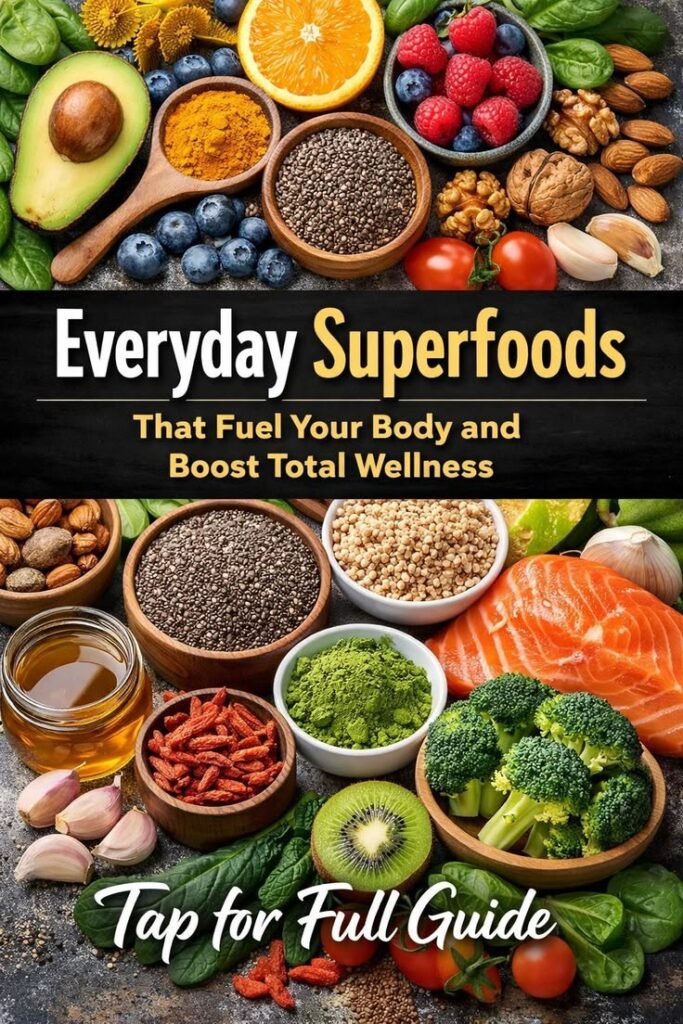
Introduction to Superfoods
Superfoods are defined as nutrient-rich foods that are particularly beneficial for health and well-being. These foods are often packed with vitamins, minerals, antioxidants, and other essential nutrients that contribute to overall health, promote well-being, and reduce the risk of chronic diseases. Unlike regular foods, which may provide some nutritional value, superfoods offer an exceptional concentration of nutrients in smaller servings, making them a more efficient choice for health-conscious consumers.
Thank you for reading this post, don't forget to subscribe!The term “superfood” is not a scientifically recognized classification, but it has gained popularity in the health and wellness community. The appeal of superfoods lies in their ability to provide key nutrients that many individuals may be lacking in their standard diets. In a world where fast food and processed items dominate, incorporating superfoods can lead to a more balanced and nutrient-dense eating pattern.
In today’s fast-paced lifestyle, many people often prioritize convenience over nutritional quality, resulting in diets that fall short of essential nutrients. Superfoods can play a crucial role in addressing these deficiencies, providing a manageable way to enhance one’s diet with high levels of important nutrients. By including superfoods such as blueberries, quinoa, spinach, and avocados in daily meals, individuals may experience improved energy levels, better immune function, and enhanced overall well-being.
Furthermore, the significance of superfoods extends beyond individual health; they can also contribute to a more sustainable food system. Many superfoods are derived from plants, highlighting the importance of incorporating more plant-based options into our diets. This not only promotes personal health but also supports environmental sustainability as we shift towards healthier and more responsible eating habits.
Top 15 Superfoods and Their Benefits
Incorporating superfoods into your diet can significantly enhance your nutritional intake and promote better overall health. Below, we will explore a specially curated list of 15 superfoods, detailing their nutritional profiles, specific health benefits, and suggestions for inclusion in daily meals.
1. Blueberries: Rich in antioxidants, vitamins C and K, these small berries are renowned for their anti-inflammatory properties. Adding blueberries to smoothies, oatmeal, or yogurt can boost your antioxidant intake.
2. Kale: This leafy green is packed with vitamins A, C, and K, along with calcium and iron. Kale can be enjoyed in salads, smoothies, or as baked chips, making it a versatile addition to your diet.
3. Quinoa: A complete protein containing all nine essential amino acids, quinoa is rich in fiber and iron. It can serve as a fantastic base for salads or a side dish with your main meals.
4. Salmon: Full of omega-3 fatty acids, salmon supports brain health and reduces inflammation. Grilled or baked, it makes a nutritious centerpiece for any dinner plate.
5. Chia Seeds: High in omega-3s, fiber, and protein, chia seeds can be added to smoothies, yogurt, or even used to make pudding.
6. Avocado: This creamy fruit is loaded with healthy fats, potassium, and vitamins E and C. It’s an excellent addition to salads or can be spread on whole-grain toast.
7. Sweet Potatoes: Rich in beta-carotene, fiber, and vitamins A and C, sweet potatoes can be baked, mashed, or made into fries for a nutritious alternative.
8. Green Tea: Known for its high levels of antioxidants, particularly catechins, green tea can enhance metabolism and fat burning. Consider replacing your regular tea or coffee with green tea for a healthy boost.
9. Greek Yogurt: Packed with protein and probiotics, Greek yogurt supports gut health. It can be used as a base for smoothies or enjoyed with fruits and nuts for breakfast.
10. Almonds: High in healthy fats, fiber, and vitamin E, almonds provide energy and promote heart health. Snacking on almonds or adding them to salads can help improve your diet.
11. Broccoli: This cruciferous vegetable is high in vitamins C and K, as well as fiber. Steamed or roasted, broccoli can be a tasty side to many dishes.
12. Lentils: Lentils are rich in protein, fiber, and various essential nutrients, ideal for plant-based diets. They can be included in soups, stews, and salads.
13. Turmeric: Known for its anti-inflammatory properties thanks to curcumin, turmeric is a great spice addition to many dishes, from curries to smoothies.
14. Spinach: An excellent source of iron, vitamins A and K, and antioxidants, spinach is great in salads, omelets, or blended into smoothies.
15. Beets: These root vegetables are high in nitrates, which can enhance exercise performance and support heart health. Roasted or pickled, beets can brighten up any meal.
Incorporating these superfoods into your meals can not only provide significant health benefits but can also diversify your diet to make it more interesting and nutritious. Enjoy experimenting with different recipes to include these superfoods in your daily routine for optimal health benefits.
Incorporating Superfoods into Your Daily Meals
Integrating superfoods into your diet can be both simple and enjoyable. To make healthy eating accessible, consider starting your day with a delicious smoothie. Combine spinach, kale, or avocados – all recognized superfoods – with your choice of fruits, such as bananas or berries. This nutrient-packed breakfast not only boosts your energy but also sets the tone for healthier choices throughout the day.
For lunch, consider creating a vibrant salad featuring quinoa, chickpeas, or pumpkin seeds. These superfoods are rich in protein and fiber, contributing to a satisfying meal. Top your salad with seasonal vegetables and a sprinkle of your favorite herbs to increase flavor and nutritional value. Drizzling a healthy dressing made from olive oil and lemon juice can enhance both taste and health benefits.
When it comes to dinner, try to incorporate healthy grains like brown rice or farro alongside a variety of colorful vegetables. Roasting vegetables like Brussels sprouts, sweet potatoes, or bell peppers brings out their natural sweetness and adds a delightful crunch. Pairing these with baked salmon, rich in omega-3 fatty acids, significantly enhances the superfood quality of your meal.
Snacking throughout the day is another opportunity to incorporate superfoods. Instead of reaching for processed snacks, opt for nuts, seeds, or yogurt with chia seeds and fresh berries. Another easy snack is apple slices paired with almond butter, offering a perfect balance of carbohydrates and healthy fats.
Meal prepping is also useful in maintaining a superfood-rich diet. Dedicate time to prepare dishes rich in these ingredients for the week ahead. By creating pre-portioned servings of salads, snacks, and even smoothie packs, you simplify healthy eating and ensure that nourishing options are always on hand.
Conclusion and Looking Ahead
In closing, the recognition of superfoods and their potential benefits is pivotal for anyone seeking to enhance their dietary habits. These nutrient-dense foods, rich in vitamins, minerals, and antioxidants, play a crucial role in promoting overall health. As we have seen, incorporating a diverse range of superfoods into one’s diet can support various health objectives, from increasing energy levels to improving immunity and reducing inflammation.
Looking forward, it is essential to remain aware of emerging trends in nutrition. The field of diet and health is constantly evolving, bringing new superfoods to the forefront. For instance, recent studies have highlighted the potential of lesser-known ingredients such as adaptogenic herbs, which may help the body adapt to stress, and ancient grains, like teff and fonio, known for their high nutritional value and versatility.
Furthermore, as our understanding of nutrition progresses, the definition of superfoods may also expand to include a broader spectrum of foods that offer unique health benefits. Innovations in food sourcing and preparation, along with advancements in nutritional science, will likely introduce new dietary staples that warrant attention in the coming years.
It is beneficial for consumers to stay informed about these developments and to make intentional choices when it comes to their diets. This journey toward wellness through superfoods is not just a trend; it is a commitment to nurturing one’s health. By exploring seasonal produce, local offerings, and the latest nutritional discoveries, individuals can cultivate a more enriching and healthful eating experience.

