
What is Sleep Hygiene?
Sleep hygiene refers to a series of practices and behaviors that are conducive to sleeping well on a regular basis. It encompasses a variety of habits that can significantly influence the quality and quantity of sleep an individual can achieve. Good sleep hygiene is essential not only for falling asleep easily but also for maintaining uninterrupted sleep throughout the night. Each person may have different requirements when it comes to sleep hygiene, so it is crucial to personalize these practices for optimal benefits.
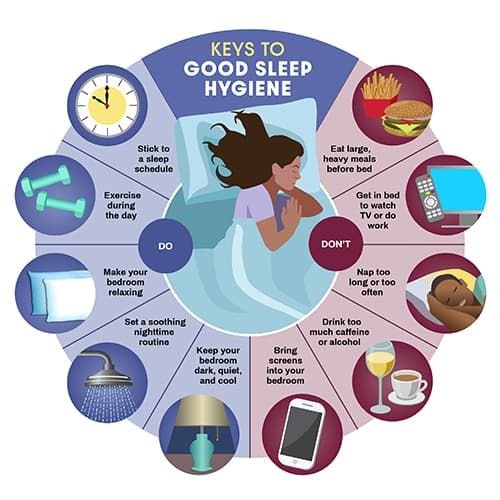
Thank you for reading this post, don't forget to subscribe!One of the fundamental aspects of sleep hygiene is the sleep environment. A conducive sleeping space should be dark, quiet, and at a comfortable temperature. Furthermore, it is advisable to keep the bedroom reserved for sleep and intimacy, devoid of distractions such as work or entertainment, to promote a healthy sleep association with the space.
Establishing a consistent sleep routine is another key component of sleep hygiene. Going to bed and waking up at the same time each day helps regulate the body’s internal clock, improving overall sleep quality. Engaging in relaxing activities before bed, such as reading or taking a warm bath, can also signal to the body that it is time to wind down, thus facilitating a smoother transition into sleep.
Additionally, lifestyle choices play a significant role in sleep hygiene. Regular physical activity can promote better sleep quality, while excessive consumption of caffeine or alcohol, particularly close to bedtime, may disrupt sleep. Ultimately, understanding one’s unique needs and preferences is essential in creating an effective sleep hygiene plan that can lead to improved overall health and well-being.
The Importance of Good Sleep Hygiene
Good sleep hygiene is paramount for anyone seeking to enhance their overall health and well-being. Sleep serves as a fundamental pillar of human physical and mental health, affecting everything from mood to memory retention. The significance of maintaining good sleep hygiene cannot be overstated, as it directly correlates with essential benefits that improve an individual’s quality of life.
One of the primary advantages of quality sleep is its profound impact on mental health. A consistent sleep schedule allows the brain to function optimally, which helps to mitigate anxiety and depression. Individuals who practice good sleep hygiene often report higher levels of resilience to stress and increased emotional stability. Consequently, it becomes evident that the interplay between sleep hygiene and mental health is crucial.
In terms of cognitive function, adequate sleep aids in memory consolidation and learning efficiency. Those who prioritize their sleep hygiene are likely to experience improved concentration, decision-making, and problem-solving capabilities. This enhancement in cognitive process becomes especially beneficial in professional and academic settings, wherein the ability to think critically and creatively is invaluable.
Physical health is equally influenced by good sleep hygiene. Studies have shown that a lack of quality sleep can lead to chronic health issues, such as obesity, diabetes, and cardiovascular diseases. By adhering to good sleep practices, such as establishing a relaxing bedtime routine and optimizing the sleep environment, individuals can significantly reduce their risk of these health complications.
On the other hand, poor sleep hygiene can result in detrimental effects, including sleep disorders such as insomnia and sleep apnea. These conditions not only disrupt normal sleep patterns but also contribute to a multitude of chronic health issues if left untreated. Thus, it is imperative to understand the risks associated with neglecting sleep hygiene.
Practical Tips for Improving Sleep Hygiene
Improving sleep hygiene is essential for every adult seeking better sleep quality and overall well-being. By adopting certain practices, individuals can significantly enhance their sleep experiences. One of the most effective strategies is to establish a calming bedtime routine. Engaging in relaxing activities such as reading, taking a warm bath, or practicing mindfulness before bed helps signal to the body that it is time to wind down.
Another critical factor is the optimization of the sleep environment. Ensuring that the bedroom is conducive to sleep involves several elements. It is vital to maintain a dark, quiet, and cool room; blackout curtains can block out light, while earplugs or white noise machines can mitigate disruptive sounds. Furthermore, investing in a comfortable mattress and pillows tailored to individual preferences can greatly enhance sleep quality.
Managing light exposure throughout the day also plays a crucial role in sleep hygiene. Limiting exposure to bright screens and artificial light in the evening, while maximizing natural light exposure during the daytime, helps regulate the body’s internal clock. Additionally, maintaining a consistent sleep schedule where one goes to bed and wakes up at the same time every day, including weekends, reinforces the body’s natural circadian rhythms.
Lifestyle factors such as diet and exercise can significantly influence sleep quality. It is advisable to avoid heavy meals, caffeine, and alcohol close to bedtime, as these substances can disrupt sleep. Regular physical activity is another important aspect; however, it is best to avoid vigorous exercise in the hours leading up to bedtime as it may interfere with the body’s ability to settle down. Integrating these practical tips into daily life can lead to meaningful improvements in sleep hygiene, fostering better overall health.
Coping with Sleep Disturbances and Seeking Professional Help
Sleep disturbances such as insomnia and sleep apnea are common issues that can significantly affect an individual’s quality of life. Insomnia, characterized by difficulty falling asleep or staying asleep, can lead to daytime fatigue, irritability, and difficulty concentrating. Sleep apnea, on the other hand, involves breathing interruptions during sleep, which can result in poor sleep quality and exacerbate underlying health conditions. Both of these disorders are prevalent among adults and should not be overlooked.
Recognizing when to seek professional help for sleep issues is crucial. Persistent sleep disturbances that interfere with daily functioning or arise frequently over an extended period warrant consultation with a healthcare professional. A medical evaluation can help determine whether underlying conditions, such as anxiety, depression, or other sleep disorders, might be contributing to these disturbances. It is important to understand that seeking assistance is a proactive step towards resolving sleep-related concerns.
Various treatment options are available for sleep disturbances, depending on the underlying cause and severity. Cognitive Behavioral Therapy for Insomnia (CBT-I) is an effective therapeutic approach that teaches individuals to manage the thoughts and behaviors that contribute to their sleep problems. For sleep apnea, treatment may involve lifestyle changes, continuous positive airway pressure (CPAP) therapy, or even surgical interventions if necessary. Medication is also an option but should be considered as part of a comprehensive treatment plan that includes behavioral approaches.
In conclusion, acknowledging and addressing sleep disturbances is vital for maintaining overall health. Professional guidance can provide tailored interventions, ensuring individuals manage their sleep disorders effectively and reclaim their restful nights. Staying vigilant about sleep quality is an essential aspect of good health hygiene, and support is readily available through healthcare channels.