
Understanding the Gut Lining and Its Importance
The gut lining, also known as the intestinal epithelium, plays a critical role in the human digestive system. It is a single layer of cells that lines the gastrointestinal tract from the stomach to the intestines, acting as a barrier between the body’s internal environment and the external substances ingested through food and drinks. This barrier is essential in facilitating the absorption of nutrients while simultaneously preventing harmful substances, pathogens, and toxins from entering the bloodstream.
Thank you for reading this post, don't forget to subscribe!A healthy gut lining is vital for optimal digestion and nutrient absorption. It is responsible for breaking down food particles into smaller components, which are then absorbed into the bloodstream. These nutrients, including vitamins, minerals, and macronutrients, are crucial for various bodily functions, including energy production, immune response, and overall health. A compromised gut lining can lead to malabsorption and nutritional deficiencies, causing a range of health issues.
Moreover, maintaining the integrity of the gut lining is increasingly recognized as essential for preventing conditions like leaky gut syndrome and inflammatory bowel diseases (IBD). Leaky gut syndrome occurs when the gut lining becomes damaged, leading to increased permeability. This condition allows undigested food particles, toxins, and bacteria to enter the bloodstream, triggering systemic inflammation and immune responses. Consequently, a compromised gut lining can contribute to various gastrointestinal disorders, autoimmune diseases, and other chronic health conditions.
Additionally, the gut lining is closely linked to the health of the microbiome, the diverse community of microorganisms residing in the intestines. A balanced microbiome supports optimal digestion and reinforces the gut lining’s barrier function. Therefore, investing in gut health through appropriate nutrition and lifestyle choices is fundamental for maintaining a robust digestive system and overall well-being.
Key Nutrients for Supporting Gut Lining Health
Maintaining the integrity of the gut lining is paramount for optimal digestive health. A variety of nutrients play a critical role in supporting and fortifying this crucial barrier. Key among these are proteins, which are the building blocks of the body and are vital for tissue repair and maintenance. Amino acids derived from proteins are especially important as they contribute to the regeneration of the gut lining, aiding in the repair of any damage.
Vitamins are another essential group of nutrients that support gut health. For instance, vitamin A is critical for maintaining the structure and function of mucosal surfaces, including those in the intestines. Moreover, vitamins C and E serve potent antioxidant roles, protecting gut cells from oxidative stress and promoting overall cellular health. Vitamin D also emerges as a vital nutrient, with studies indicating its role in enhancing the gut barrier function.
Minerals such as zinc and magnesium should not be overlooked in discussions about gut health. Zinc is crucial for the synthesis of proteins involved in repairing the gut lining, while magnesium supports muscular function and the elimination of toxins, contributing to a healthier digestive tract overall. Furthermore, the inclusion of omega-3 fatty acids is essential; these compounds have been shown to reduce inflammation in the gut, fostering a more supportive environment for gut lining integrity.
Antioxidants also play a pivotal role in maintaining gut health. These compounds neutralize free radicals and mitigate oxidative damage, subsequently enhancing the resilience of the gut lining. Consumption of foods rich in antioxidants, such as fruits and vegetables, promotes a harmonious balance in gut flora and protects against dysbiosis, further supporting maintenance of a healthy gut lining.
Top Foods to Enhance Gut Lining Health
Maintaining a healthy gut lining is fundamental for overall digestive health. Numerous foods can significantly contribute to fortifying the gut lining and promoting optimal gut function. Below are some of the top foods that provide key benefits for gut health.
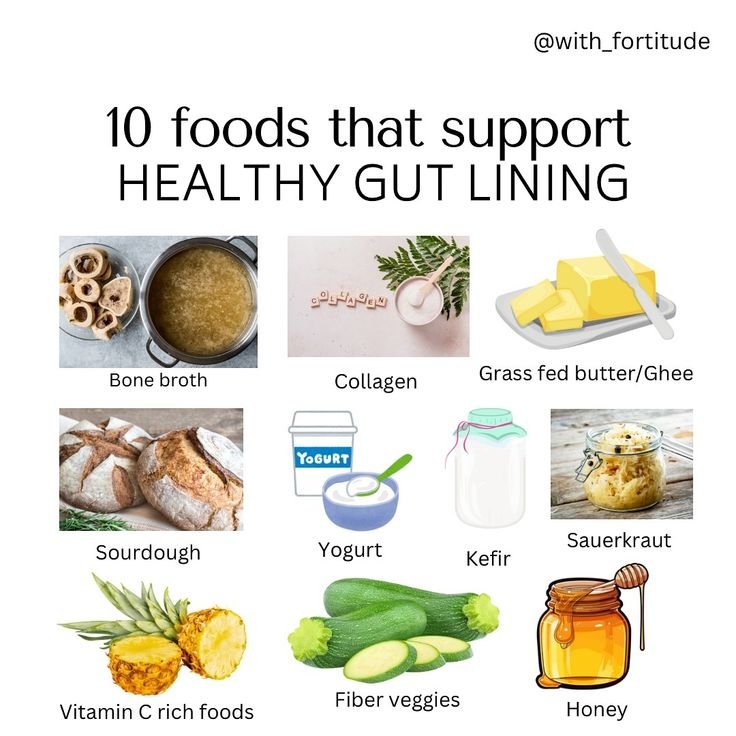
Bone Broth: Bone broth is rich in collagen, gelatine, and various amino acids that play vital roles in repairing and enhancing the gut lining. This nutrient-dense elixir not only improves digestion but may also reduce inflammation within the gastrointestinal tract. To incorporate bone broth into your diet, consider using it as a base for soups, stews, or simply sipping it warm as a nutritious beverage.
Fermented Foods: Fermented foods such as yogurt, kefir, kimchi, and sauerkraut are abundant in probiotics, which are beneficial bacteria that help populate the gut. These foods can strengthen the gut lining by promoting a healthy microbiome balance. Integrating these foods into your meals can be easy—with yogurt as breakfast, kefir in smoothies, or kimchi as a flavorful side for grilled meats.
Prebiotic-Rich Vegetables: Foods high in prebiotics, such as garlic, onions, and asparagus, serve as food for probiotics, supporting their growth and activity in the gut. By enhancing the population of beneficial bacteria, these prebiotic-rich vegetables contribute to a robust gut lining. Adding raw onions to salads or roasting garlic to accompany vegetables can be an excellent way to enjoy their benefits.
Healthy Fats: Including healthy fats, such as those found in avocados, olive oil, and fatty fish, is essential for gut health. These fats contain anti-inflammatory properties and promote absorption of fat-soluble vitamins, thus aiding in maintaining the integrity of the gut lining. Drizzling olive oil on salads or using avocado in smoothies are simple methods to incorporate these fats into your diet.
Practical Tips for Incorporating Gut-Healthy Foods into Your Diet
Adopting a diet that promotes gut health is essential for maintaining optimal digestive function and overall well-being. To transition smoothly to a gut-health-focused diet, several practical tips can be employed, facilitating the integration of gut-healthy foods into daily meals.
First, meal planning is a crucial component. Set aside some time each week to plan your meals, ensuring they are rich in prebiotic and probiotic foods. Incorporate a variety of fruits, vegetables, whole grains, and fermented foods, such as yogurt, kefir, and sauerkraut. These foods are known to support and enhance the gut lining, contributing to excellent digestive health.
When it comes to easy recipes, try mixing gut-friendly ingredients into meals. For breakfast, consider oatmeal topped with berries and a dollop of yogurt, which provides both fiber and probiotics. For lunch, a salad with leafy greens, cucumbers, and a dressing made from apple cider vinegar can introduce beneficial qualities that support gut function.
Snacking is another opportunity to promote gut health. Opt for snacks that are both nutritious and gut-friendly. Fresh fruits, raw vegetables with hummus, or a handful of nuts can provide essential nutrients and keep digestive processes running smoothly. Replacing processed snacks with these healthier alternatives can contribute to reduced inflammation and improved gut integrity.
Making gradual dietary changes is vital to ensure lasting adoption. Start by replacing one meal or snack each week with a gut-friendly option. This gradual approach allows for easier adjustments and can help prevent overwhelm. Additionally, staying well-hydrated by consuming adequate water throughout the day supports overall digestion and nutrient absorption, further promoting a healthy gut lining. By emphasizing a balanced diet and mindful consumption, individuals can steadily improve their digestive health.