
Understanding the Gut Microbiome
The gut microbiome is a complex community of trillions of microorganisms residing in the gastrointestinal tract. It comprises various types of bacteria, viruses, fungi, and other microbes that significantly influence both digestive health and the immune system. These microorganisms, often referred to collectively as gut flora, play a critical role in breaking down food, producing essential nutrients, and protecting against harmful pathogens.
Thank you for reading this post, don't forget to subscribe!The components of the gut microbiome vary among individuals, determined by factors such as diet, age, genetics, and environment. Predominantly, the gut houses two main bacterial phyla: Firmicutes and Bacteroidetes. Firmicutes are involved primarily in energy extraction from food, whereas Bacteroidetes help in breaking down complex carbohydrates. The balance between these two groups, along with more than a thousand other species, is essential for maintaining gut health.
A healthy gut microbiome contributes to digestion by facilitating the absorption of nutrients and protecting the gut lining from inflammation and conditions like leaky gut syndrome. Moreover, it plays a pivotal role in the development and functioning of the immune system. The gut microbiome trains immune cells, helping them distinguish between harmful pathogens and benign substances, thereby enhancing the body’s immune response.
Furthermore, it acts as a barrier against infection, as beneficial bacteria can outcompete pathogenic strains for resources and space in the gut. Research indicates that disruptions to the gut microbiome, often termed dysbiosis, can lead to increased susceptibility to infections and a variety of immune-related disorders. Thus, understanding the gut microbiome’s composition and function is essential for comprehending its significant impact on overall health and the immune system.
How Gut Health Affects Immunity
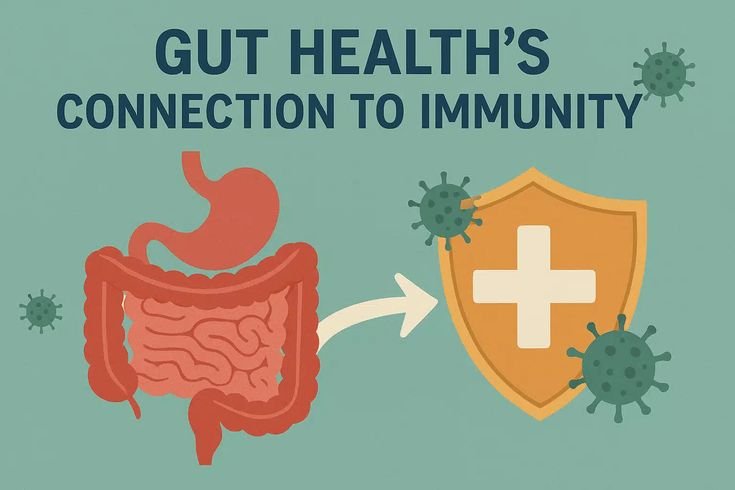
The connection between gut health and the immune system is profound and increasingly recognized in both scientific research and healthcare practices. The gut comprises a complex ecosystem of microbes known as the gut microbiome, which plays a pivotal role in maintaining immune function. A balanced gut microbiome can enhance the body’s immune responses by supporting the production of antibodies and regulating the activity of immune cells.
When the gut microbiome is in a healthy state, it promotes the differentiation and function of T cells, a type of white blood cell essential for adaptive immunity. These cells help orchestrate the body’s immune response by responding to pathogens and ensuring that the immune system can distinguish between harmful invaders and harmless substances. Conversely, an imbalance in the gut microbiome—also known as dysbiosis—can hinder these processes, ultimately leading to a weakened immune system.
Moreover, gut health is intricately linked to gut permeability, which refers to the integrity of the intestinal barrier. A healthy gut lining allows for the selective absorption of nutrients while preventing harmful substances from entering the bloodstream. However, when the gut is compromised, increased permeability can occur, often referred to as “leaky gut.” This condition has been associated with systemic inflammation and various autoimmune disorders, as the immune system can mistakenly target the body’s own tissues when exposed to these unwanted substances. Such a cascade can lead to chronic inflammation, further taxing the immune system and increasing the risk of infections and diseases.
Overall, maintaining gut health is critical for a well-functioning immune system. Through a diet rich in fiber, probiotics, and prebiotics, individuals can support their gut microbiome, thereby enhancing their overall immunity and potentially reducing susceptibility to a range of health issues.
Factors Influencing the Gut-Immune Connection
The connection between the gut and the immune system is increasingly recognized as a crucial aspect of overall health. Several factors play a significant role in shaping this relationship, including diet, stress, medications, and lifestyle choices. Understanding these influences is essential for maintaining an optimal gut-immune system connection.
Diet is one of the most influential factors. A balanced diet rich in probiotics and prebiotics is fundamental for a healthy gut microbiome, which in turn supports immune function. Probiotics, found in fermented foods such as yogurt, kefir, and sauerkraut, help maintain a diverse array of beneficial bacteria in the gut. Prebiotics, on the other hand, are non-digestible fibers present in foods like garlic, onions, and bananas that nourish these beneficial microorganisms. Consuming a diet lacking in these vital components can lead to dysbiosis, which negatively affects immune response.
Stress is another critical determinant of gut health. Chronic stress can lead to alterations in gut permeability, often referred to as “leaky gut syndrome,” allowing toxins and pathogens to enter the bloodstream. This aberration can trigger inflammatory responses, weakening the immune system. Therefore, stress management techniques, such as mindfulness or regular exercise, are essential for maintaining a healthy gut-immune connection.
Medications, particularly antibiotics, can also disrupt the balance of gut bacteria. While antibiotics are essential for treating bacterial infections, they can inadvertently eliminate beneficial bacteria essential for gut health. Consequently, it is vital to use antibiotics judiciously and consider supplemental probiotics during and after antibiotic treatment to restore healthy gut flora.
Lastly, lifestyle choices, including sleep patterns and physical activity, significantly impact gut health. Regular exercise promotes a healthy gut microbiome, and adequate sleep supports both gut and immune health. Overall, integrating healthy dietary choices, managing stress levels, being mindful of medication use, and maintaining an active lifestyle can foster a robust gut-immune system connection.
Practical Tips for Enhancing Gut Health and Immunity
Supporting gut health is critical for maintaining a robust immune system. A well-balanced diet plays a vital role in this process. Incorporating a variety of fruits and vegetables is key, as they are rich in vitamins, minerals, and antioxidants that are essential for a strong immune response. Foods high in fiber, such as whole grains and legumes, can also foster a healthy gut microbiome by promoting the growth of beneficial bacteria.
Fermented foods are particularly beneficial in this context. Items such as yogurt, kefir, sauerkraut, and kimchi are excellent sources of probiotics. These live microorganisms can enhance gut health by replenishing and balancing the intestinal flora, which, in turn, supports immune function. It’s advantageous to regularly include these foods in your daily meals.
In addition to dietary adjustments, maintaining an active lifestyle can significantly contribute to gut health. Regular physical activity is linked to a diverse microbiome, which is beneficial for immune responses. Aim for at least 150 minutes of moderate exercise each week, such as brisk walking, to support gut and overall health.
Hydration is another important factor; drinking plenty of water aids in digestion and helps maintain optimal gut function. It’s recommended to consume at least eight 8-ounce glasses of water daily, adjusting for individual needs based on activity levels and environmental conditions.
While these strategies can be beneficial, it is essential to consult healthcare professionals for personalized guidance on maintaining gut health. They can provide tailored advice based on individual health status and dietary needs. By employing these practical tips and being proactive in your approach, you can enhance both your gut health and overall immunity.

