Understanding the 80/20 Rule
The 80/20 Rule, also known as the Pareto Principle, originated from the work of Italian economist Vilfredo Pareto in the late 19th century. Pareto observed that approximately 80% of land in Italy was owned by 20% of the population, revealing a disparity that extends beyond economics to various aspects of life. This principle suggests that a small percentage of efforts can yield the majority of results, creating a compelling lens through which individuals can assess their health and wellness goals.
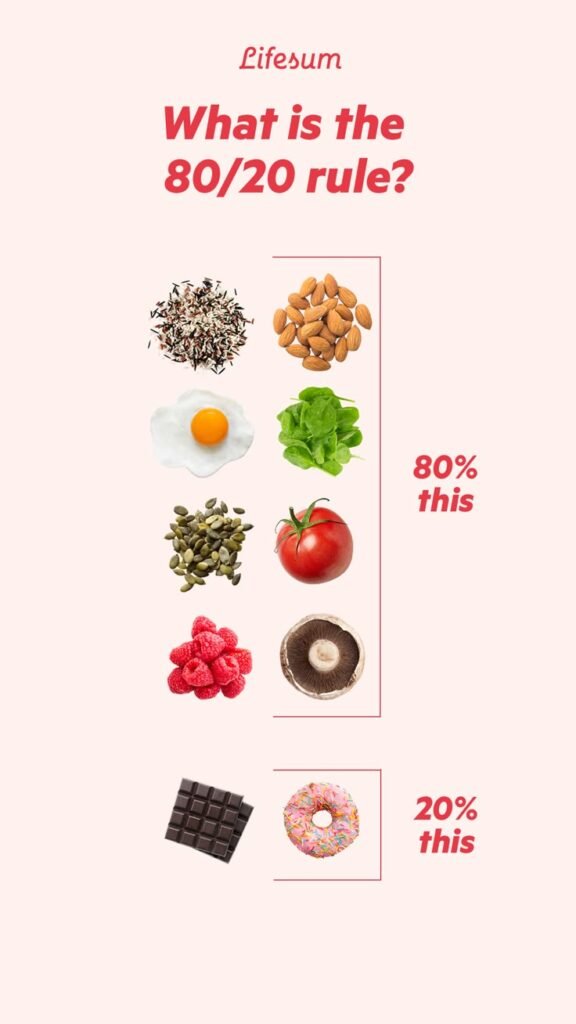
In the context of sustainable healthy living, the 80/20 Rule encourages a balanced approach. For example, when considering dietary choices, one might adhere to healthy eating habits 80% of the time, while allowing for some indulgences during the remaining 20%. This strategy not only promotes a healthier lifestyle but also fosters a more sustainable mindset. Instead of rigid dieting or extreme exercise regimens that can lead to burnout, individuals can focus on meaningful changes that integrate easily into their daily lives.
Moreover, the 80/20 Principle can apply to exercise routines; for instance, 20% of particular workouts may yield 80% of fitness benefits. By concentrating on effective activities such as strength training or high-intensity interval training rather than spreading efforts thin over an extensive array of exercises, individuals can maximize their results with less time investment.
The shift towards adopting the 80/20 Rule represents a significant change in mindset, making healthy living more accessible and enjoyable. It emphasizes the importance of quality over quantity, urging individuals to focus on the most impactful actions that lead to tangible results. Ultimately, the 80/20 Rule serves as a guide to achieve a balance between dedication to health and the enjoyment of life, fostering a sustainable approach to well-being.
Applying the 80/20 Rule to Diet and Nutrition
The 80/20 Rule, also known as the Pareto Principle, can be effectively applied to diet and nutrition to promote a balanced and sustainable approach to eating. This principle suggests that approximately 80% of your diet should consist of whole, nutrient-dense foods while the remaining 20% allows for more flexibility and indulgence. This approach helps to foster a healthy relationship with food without the stress of strict dietary restrictions.
To apply the 80/20 Rule in your dietary choices, start by focusing on meals made up mainly of fruits, vegetables, whole grains, lean proteins, and healthy fats. These foods should take precedence in your meal planning because they are packed with essential nutrients that support overall health and well-being. For instance, consider filling 80% of your plate with items such as leafy greens, grilled chicken, or hearty legumes to create satisfying and nourishing meals.
Meanwhile, allow yourself the enjoyment of more indulgent foods within the remaining 20%. This could mean treating yourself to a dessert, enjoying your favorite comfort food, or indulging in a glass of wine. The key is to enjoy these foods mindfully and without guilt, as they are part of a balanced lifestyle. Keeping the 80/20 balance encourages you to savor your favorite foods while not compromising on your overall health.
Additionally, when it comes to meal planning and grocery shopping, integration of the 80/20 Rule can be straightforward. Begin by creating a shopping list focused on whole, unprocessed foods and then leave space for a couple of discretionary items. This not only ensures a majority of your diet is healthy but also introduces a sense of flexibility that can reduce the pressure and monotony of meal prep.
Incorporating the 80/20 Rule into your dietary regime can lead to a more sustainable, enjoyable, and healthy lifestyle. By focusing on balance, individuals can successfully navigate their eating habits without depriving themselves of the foods they love.
Incorporating the 80/20 Rule in Physical Activity
The 80/20 rule, often applied in various domains, can be effectively integrated into physical activity to promote sustainable health and fitness. This principle advocates that 80% of an individual’s workout regimen should consist of moderate, enjoyable activities, while the remaining 20% can be allocated to high-intensity workouts or varied exercises. By adopting this approach, individuals can enhance their overall fitness levels while ensuring long-term adherence to their exercise routines.
To begin implementing the 80/20 rule in one’s physical activity, it is important to identify forms of exercise that the individual enjoys. Activities such as walking, swimming, cycling, or even dancing can comprise the bulk of the workouts, aligning with the 80% moderate intensity guideline. These exercises not only provide physical benefits but also contribute to mental well-being, making the fitness journey more pleasurable.
The remaining 20% of the exercise plan should focus on high-intensity workouts, which can help in building strength and improving cardiovascular fitness. This can include interval training, high-intensity interval training (HIIT), or circuit training sessions. By limiting these demanding workouts to a smaller percentage of the overall routine, individuals are less likely to experience burnout or fatigue, thus promoting sustainable engagement with fitness.
It is crucial to strike a balance, ensuring that both aspects of the 80/20 rule are prioritized in any fitness program. For instance, someone might engage in 40 minutes of brisk walking, followed by 10 minutes of sprint intervals or weight lifting. This strategy not only maintains consistency but also encourages a diversified workout schedule that can prevent monotony and sustain motivation.
By carefully crafting a fitness plan that adheres to the 80/20 rule, individuals can foster a healthier lifestyle that aligns with personal goals and preferences, ultimately making physical activity a lifelong commitment.
Maintaining Motivation and Mindset with the 80/20 Rule
Adopting the 80/20 rule in the context of sustainable healthy living greatly influences one’s psychological approach to wellness. This framework encourages individuals to embrace flexibility by recognizing that a balanced lifestyle is attainable without deprivation. The central idea is to focus on incorporating healthful foods and habits 80% of the time, while allowing for occasional indulgences in the remaining 20%. This balance not only promotes physical well-being but also nurtures an empowered mindset.
One key strategy to maintain motivation is to set realistic and achievable goals. Rather than aiming for perfection, individuals should define clear objectives that resonate with their unique lifestyles and preferences. For instance, meal planning for the week might involve preparing nutritious dishes for five days while leaving room for flexibility on weekends. This approach mitigates the pressure of strict dieting and fosters a more enjoyable eating experience.
Celebrating small successes throughout this journey also plays a crucial role. Acknowledging and rewarding oneself for milestones such as consistently preparing healthy meals or engaging in regular physical activity enhances feelings of accomplishment. This positive reinforcement creates a more committed mindset towards health and wellness.
Furthermore, cultivating self-compassion is integral when navigating the challenges of maintaining a healthy lifestyle. Many individuals experience guilt when indulging in treats or deviating from their health goals; however, the 80/20 rule provides reassurance that these moments are permissible and contribute to overall satisfaction. By viewing such instances as part of a balanced approach rather than failures, individuals can foster a healthier relationship with food and self-image.
In conclusion, integrating the 80/20 rule into daily living encourages a mindset that values balance, flexibility, and progress. By leveraging achievable goals, celebrating achievements, and practicing self-compassion, individuals set the stage for sustainable healthy living that promotes both psychological and physical well-being.