
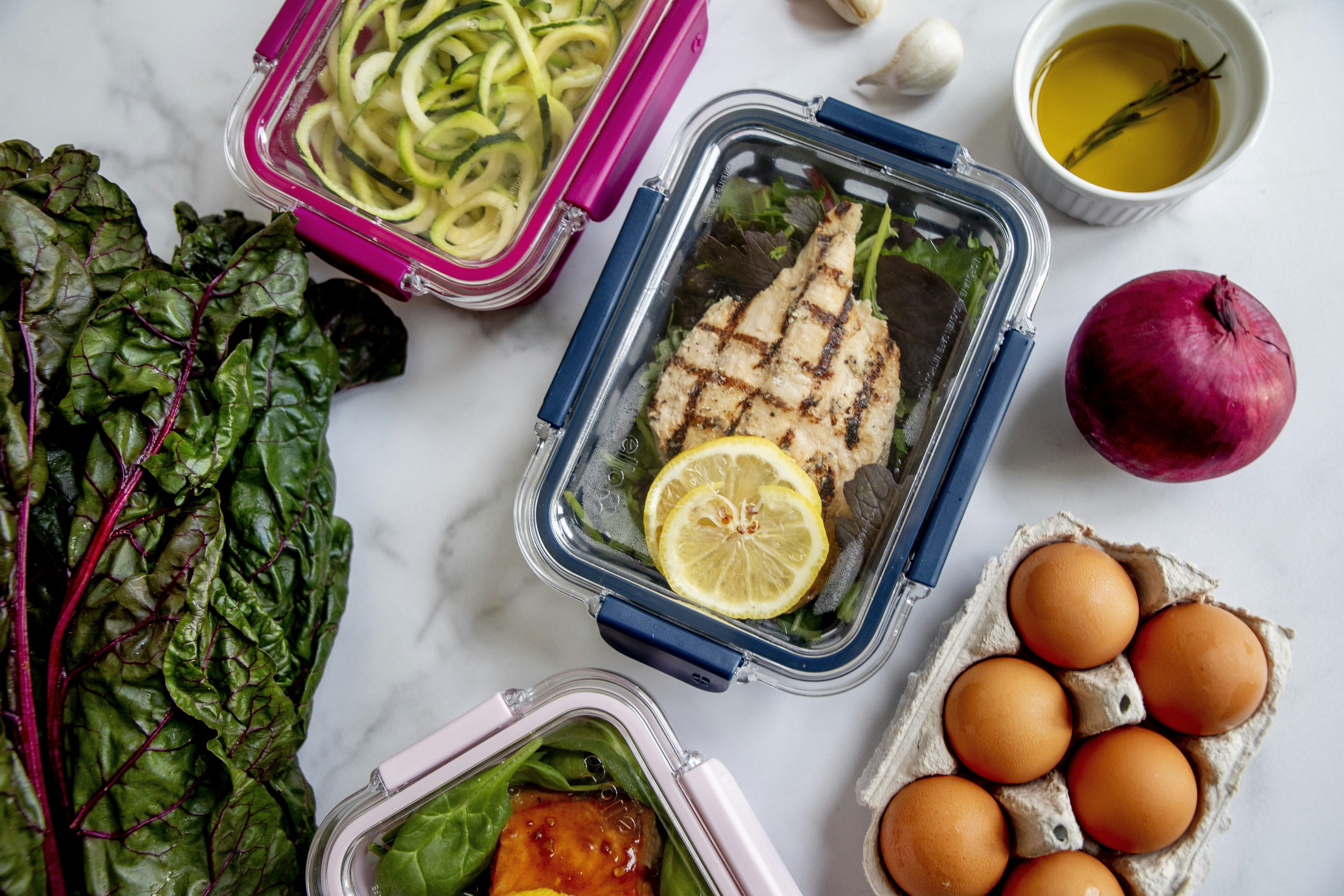
The Importance of Meal Prep for a Healthy Lifestyle
Meal prepping is a crucial practice for anyone seeking to maintain a healthy lifestyle, particularly for busy individuals. This strategy involves planning and preparing meals in advance, which can significantly enhance one’s nutrition and overall well-being. By dedicating a few hours each week to meal preparation, one can save valuable time during hectic weekdays. This structured approach allows for the efficient management of time, ensuring that healthy meals are readily available without the need for last-minute cooking or unhealthy takeout.
Thank you for reading this post, don't forget to subscribe!Moreover, meal prep serves to reduce stress related to daily meal decisions. With meals pre-planned, busy individuals can eliminate the uncertainty and anxiety of what to eat, which often leads to impulsive food choices that are not aligned with health objectives. Consequently, when meals are prepared ahead of time, one can focus on making better food choices, thereby facilitating healthier eating habits that are essential for fitness and wellness.
Additionally, meal prepping plays a pivotal role in achieving fitness goals. It affords individuals the ability to control portion sizes and calorie intake, a critical factor for weight management. By measuring out servings in advance, one can avoid the common pitfall of overeating. This level of control not only promotes healthy eating but also helps in building more mindful eating practices, which ultimately contributes to improved health. The discipline that comes with meal prepping encourages individuals to steer clear of unhealthy food options that are often chosen out of convenience.
In essence, meal prep is an effective strategy for busy people who wish to adopt healthier lifestyles. By dedicating time to pre-plan and prepare meals, individuals can significantly enhance their nutritional choices, save time, and alleviate stress when it comes to meals throughout the week.
Easy and Nutritious Meal Prep Recipes
Staying fit while managing a busy lifestyle can be challenging, but with easy and nutritious meal prep recipes, it becomes more accessible. Below are a selection of meals that can be prepared in advance, allowing you to prioritize your health without compromising on flavor or time.
Breakfast Option: Overnight Oats
Preparation Time: 5 minutes
Ingredients: ½ cup rolled oats, 1 cup almond milk, 1 tablespoon chia seeds, 1 tablespoon honey, and your favorite berries.
Instructions: In a jar, combine all ingredients, stir well, and seal the lid. Refrigerate overnight and enjoy in the morning. You can also customize this with various toppings like nuts or yogurt.
Lunch Option: Quinoa Salad
Preparation Time: 15 minutes
Ingredients: 1 cup cooked quinoa, 1 cup cherry tomatoes, ½ cucumber, 1 bell pepper, juice of 1 lemon, and olive oil.
Instructions: In a large bowl, mix all ingredients together. This salad can be stored in the refrigerator for up to 4 days, making it a great option for quick lunchtime meals.
Dinner Option: Grilled Chicken and Vegetables
Preparation Time: 20 minutes
Ingredients: 2 boneless chicken breasts, 1 zucchini, 1 red bell pepper, 1 tablespoon olive oil, salt and pepper to taste.
Instructions: Preheat the grill. Coat chicken and vegetables with olive oil and seasonings. Grill for approximately 6-8 minutes per side or until fully cooked. This dish is high in protein and provides essential nutrients from the vegetables.
Snack Option: Hummus and Veggies
Preparation Time: 10 minutes
Ingredients: 1 cup chickpeas, 2 tablespoons tahini, juice of 1 lemon, and assorted fresh vegetables.
Instructions: Blend chickpeas, tahini, and lemon juice until smooth. Serve with sliced vegetables like carrots, cucumbers, and bell peppers for a healthy snack.
These easy and nutritious meal prep recipes enable busy individuals to have healthy options readily available throughout the week. Utilizing various ingredients allows for substitutions, catering to specific dietary needs, ensuring that meal preparation can be enjoyable and versatile.
Meal Prep Tips for Maximum Efficiency
Meal prepping can significantly streamline the process of maintaining a healthy diet, especially for busy individuals. To make the most of your time and effort, consider implementing these practical tips.
Begin by planning your meals for the week ahead. This involves selecting recipes that align with your dietary goals and can be prepared in advance. Create a shopping list based on these meals and stick to it. This method not only saves time at the grocery store but also minimizes the chances of impulse purchases that can lead to unhealthy eating choices.
Organizing your kitchen is another crucial step in maximizing meal prep efficiency. Ensure that your utensils, containers, and appliances are easily accessible. Invest in clear, airtight storage containers to keep your meals fresh. Labeling these containers with the meal name and storage date can further enhance organization and prevent food waste.
When it comes to batch cooking, consider preparing larger quantities of grains, proteins, and vegetables that can be used in various dishes throughout the week. For instance, cooking a big batch of quinoa or grilled chicken allows for quick assembly of lunches and dinners. Additionally, freezing single portions of meals can be exceedingly helpful for busier days when time is limited.
Scheduling specific days and times for meal prep can greatly enhance consistency. Designate a few hours during the weekend, or whichever day suits your schedule, to focus solely on this task. Staying motivated can sometimes be challenging, so consider involving family or friends in the process or exploring new recipes to keep things interesting.
Implementing these meal prep strategies will help establish a routine that not only saves time but also fosters a healthier lifestyle. Making meal prep a regular part of your week can lead to more nutritious eating habits and overall well-being.
Staying Flexible: Adapting Meal Prep to Your Schedule
Meal prep has become a cornerstone for those seeking to maintain a healthy lifestyle amidst a busy schedule. One of the most practical approaches is to remain flexible, allowing meal preparation to align with the ebbs and flows of daily life. Start by embracing the use of leftovers; they can be transformed into new dishes that save time and reduce food waste. For instance, roasted vegetables from one night can be blended into a hearty soup the next, ensuring variety and satisfaction.
When juggling unexpected commitments, consider incorporating a backup plan into your meal prep strategy. This might include preparing a few quick meals that require minimal effort, such as whole grain wraps filled with lean proteins and a variety of vegetables or an easy stir-fry that utilizes frozen produce. Having these standbys not only reduces the stress associated with last-minute changes but also keeps you consistent with your healthy eating habits.
Another aspect of effective meal prep is listening to your body. Your energy levels and activity may vary throughout the week, and your meals should reflect that. For instance, on days when high energy expenditure is anticipated, incorporating nutrient-dense meals rich in complex carbohydrates and proteins can help sustain energy. Conversely, lighter meals featuring fresh salads or smoothies might be more appropriate on more sedentary days. By closely monitoring how you feel and adjusting meals accordingly, you can optimize both nutrition and satisfaction.
Ultimately, staying flexible is key to successful meal prep. By creatively utilizing leftovers, preparing for unforeseen events, and responding to your body’s needs, you can effectively maintain a healthy diet without feeling overwhelmed by the demands of a busy life.

