
Understanding Meal Prep Basics
Meal prepping is an efficient strategy that entails preparing meals in advance, typically for a week, to facilitate healthful eating while saving time. The advantages of meal prepping extend beyond mere time management; they also encompass financial savings, reduced food waste, and the ability to maintain better dietary choices. By preparing meals ahead of time, individuals can avoid the pitfalls of last-minute decisions which often lead to unhealthy eating habits.
Thank you for reading this post, don't forget to subscribe!There are various methods of meal prep. One popular approach is batch cooking where large quantities of food are prepared and then portioned into individual servings. This method not only streamlines the cooking process but ensures that healthy meals are readily available for busy days. Another technique is assembling ingredients for recipes ahead of time, which can greatly reduce cooking time during the week. For instance, chopping vegetables and marinating proteins can enhance flavors and expedite the cooking process later.
Adopting meal prepping necessitates the importance of planning meals effectively. It is essential to create a weekly menu that covers breakfast, lunch, dinner, and snacks, taking into account dietary preferences and nutritional needs. This swath of planning aids in smart grocery shopping, allowing one to purchase only the items that are needed, thus minimizing impulsive buys. Furthermore, maintaining a pre-prepared grocery list ensures that essential ingredients are not overlooked, ultimately creating a smoother kitchen experience during meal prep.
In summary, engaging in meal prep allows individuals to invest time upfront to enjoy the rewards of a structured eating schedule throughout the week. Understanding meal prep basics is the first step toward instilling healthier eating habits, maximizing efficiency in the kitchen, and promoting a balanced lifestyle.
Essential Tools and Ingredients for Successful Meal Prep
To achieve efficient meal prep within a condensed timeframe, having the right tools and ingredients is essential. A well-equipped kitchen can significantly impact your ability to prepare multiple meals quickly and efficiently. Start with sturdy glass or BPA-free plastic containers for storing your meals. These containers should ideally be stackable, airtight, and microwave-safe, allowing for easy reheating and organization in your refrigerator.
Next, consider investing in quality cutting boards and sharp knives, as these tools will expedite your chopping and slicing tasks. Having separate cutting boards for vegetables and meats can help maintain hygiene and prevent cross-contamination. Additionally, meal prep tools such as mixing bowls, measuring cups, and a reliable food scale can assist in accurate portioning and mixing ingredients.
Beyond tools, stocking your pantry with versatile staples is key to successful meal preparation. Rice, quinoa, and whole grains serve as excellent bases for various meals and can easily complement proteins and vegetables. Canned beans, lentils, and chickpeas are also great options as they are rich in nutrients and can be added to salads, stews, and grain bowls for added protein.
Moreover, having an assortment of frozen vegetables on hand can save time and reduce waste, as they provide nutritional value without the need for frequent shopping. Spices, herbs, and sauces should be easily accessible as they enhance flavor and allow for a variety of meal profiles. Regularly stocking basic ingredients such as salt, pepper, olive oil, and vinegar will ensure you can create flavorful dishes on the fly.
By equipping yourself with these essential tools and maintaining a well-stocked inventory of staple ingredients, you will streamline your meal preparation process and enhance your overall cooking experience, effectively allowing you to prepare meals efficiently each week.
Step-by-Step Process to Meal Prep in Under 2 Hours
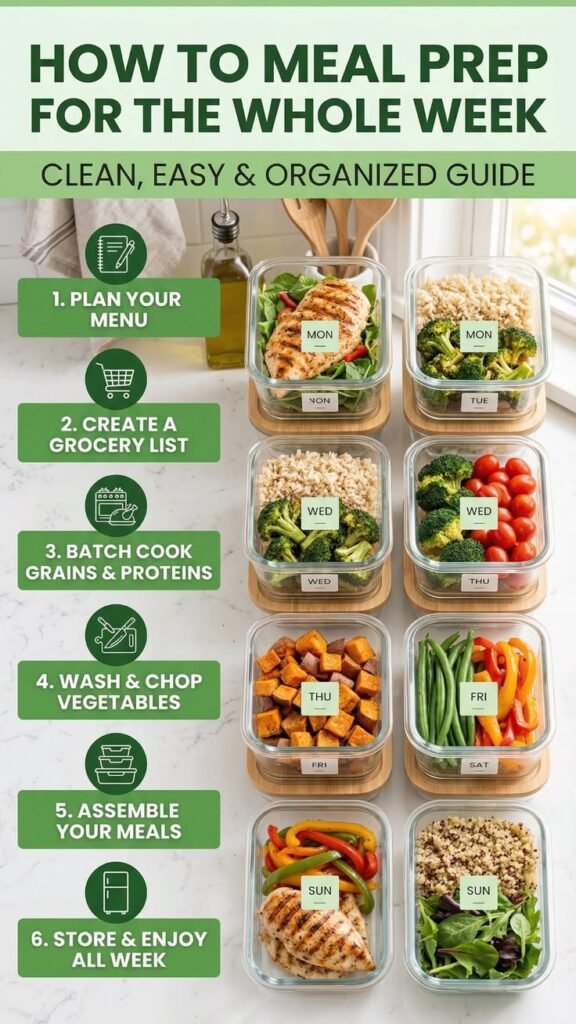
To effectively meal prep for an entire week in under two hours, a structured approach is essential. This process can dramatically simplify your weekly cooking routine while ensuring that you have nutritious meals ready at hand. Here’s a detailed step-by-step guide to achieving this objective.
Begin by planning your meals for the week. Create a menu that incorporates a variety of proteins, vegetables, and grains to keep your diet balanced. Aim for five to seven different meals to mix and match throughout the week, utilizing ingredients that can be reused in various recipes to minimize waste and save time.
Once you have your menu, compile a shopping list based on the ingredients needed for each meal. Organizing the list by grocery store sections can streamline the shopping process. When shopping, consider purchasing pre-chopped vegetables or rotisserie chicken for additional time savings. With your ingredients on hand, move on to the preparation stage.
Next, set a timer for two hours and start cooking. A strategic approach to cooking is crucial; utilize multiple cooking methods simultaneously. For instance, while grains are boiling, roast vegetables in the oven and grill proteins. This multitasking can effectively utilize your time. Additionally, consider batch cooking meals such as soups or casseroles, which can be easily portioned out for the week.
After cooking, allow your meals to cool, then portion them into individual containers. Label each container with the meal and the date prepared. This labeling will help you stay organized and ensure that you consume meals within their freshness duration. Finally, store the meal prep containers in the refrigerator or, if appropriate, in the freezer for optimal freshness.
By following this structured process, you can successfully prepare healthy meals in under two hours, paving the way for a more manageable and nutritious week ahead.
Storing and Reheating Your Meal Preps
Effective meal prep is not only about preparing meals efficiently but also storing and reheating them properly to preserve freshness and flavor. Once you have cooked your meals, allow them to cool to room temperature before storing them in the refrigerator or freezer. To maintain the quality of your prepared meals, it is crucial to use airtight containers, which can help prevent moisture loss and reduce the risk of spoilage.
When organizing your meals, consider labeling each container with the meal name and date of preparation. This simple practice enhances organization, ensuring you consume meals in an appropriate time frame and can easily identify each dish. For longer-term storage, freezing meals is highly effective. However, it’s advisable to use freezer-safe containers or bags, as standard containers may not withstand low temperatures, potentially compromising your meals.
Reheating your meals can sometimes lead to texture or flavor inconsistencies. To combat this, consider reheating your meals gradually. If using a microwave, cover your container with a microwave-safe lid or a damp paper towel to retain moisture, preventing the food from drying out. For those opting to use the oven, preheat it to ensure even reheating, and consider adding a splash of water or broth to maintain moisture.
Portion control is also essential in meal prepping; storing meals in individual serving sizes can help with both convenience and reducing food waste. Furthermore, incorporating meal diversity in your prep will not only keep your week interesting but also meet various dietary requirements, supporting balanced nutrition. By following these techniques for storing and reheating, you can enjoy week-long meals that are both convenient and delicious.

