
Understanding Belly Fat
Belly fat, often referred to as abdominal fat, is distinguishable from fat found in other areas of the body due to its specific types and associated health risks. There are mainly two types of belly fat: subcutaneous fat and visceral fat. Subcutaneous fat is the soft fat situated just under the skin, which is often noticeable as a layer that can be pinched. On the other hand, visceral fat is more harmful; it resides deeper in the abdominal cavity, surrounding vital organs such as the liver and intestines.
Thank you for reading this post, don't forget to subscribe!The accumulation of visceral fat has been linked to numerous health issues, including heart disease, type 2 diabetes, and certain cancers, making it particularly concerning. This form of fat can lead to inflammation and insulin resistance, which have serious implications for overall health. In contrast, subcutaneous fat is not as closely associated with these metabolic complications.
It is essential to understand the significance of losing belly fat, as it not only contributes to a slimmer waistline but also improves overall well-being. Reducing belly fat can enhance metabolic function, decrease the risk of chronic diseases, and increase longevity. Many individuals, however, harbor misconceptions about fat loss, such as the belief that targeted exercises can significantly reduce belly fat or that fat loss occurs uniformly across the body. In reality, the body loses fat in a pattern that is largely dictated by genetics and hormonal balance. Effective fat loss requires a holistic approach involving dietary adjustments, increased physical activity, and lifestyle changes.
In conclusion, recognizing the types of belly fat and understanding their potential health impact is crucial for those aiming to achieve a healthier body. By addressing belly fat through informed strategies while still enjoying favorite foods, individuals can promote a healthier, more sustainable lifestyle.
The Role of Diet in Losing Belly Fat
The journey to losing belly fat can often be misconstrued as a rigorous process that demands severe dietary restrictions and the avoidance of favorite foods. However, a more balanced approach can be adopted that emphasizes a healthy diet while allowing for occasional indulgences. The key lies in understanding which foods can support fat loss and how to enjoy them without undermining overall health goals.
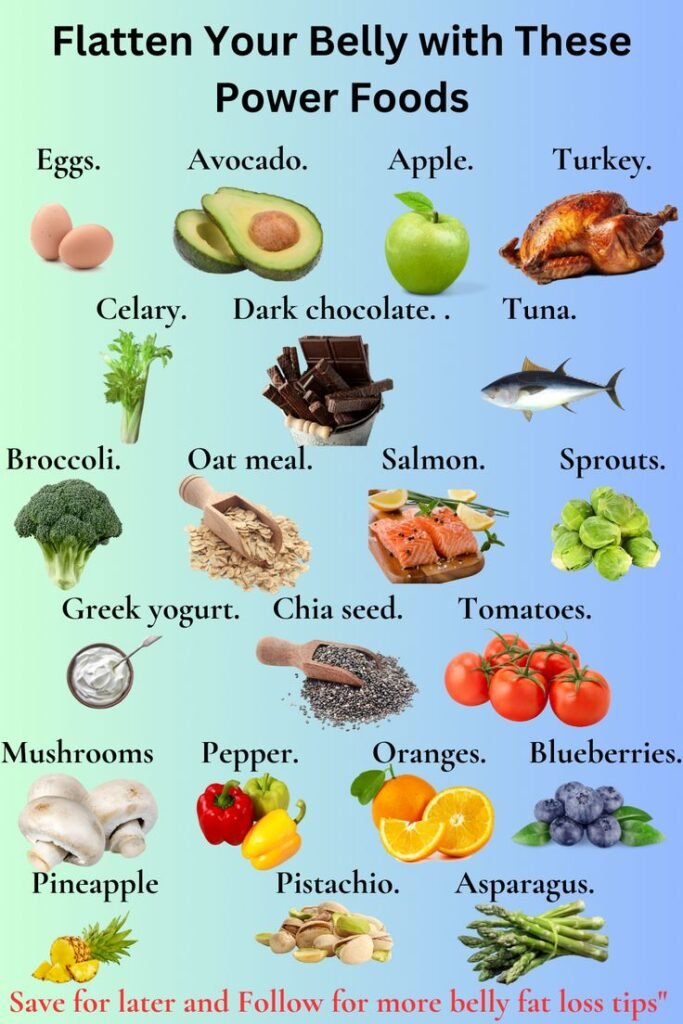
Foods that are high in fiber, such as fruits, vegetables, and whole grains, play a significant role in promoting satiety and aiding digestion. These foods not only help to reduce overall calorie intake but also contribute to burning belly fat over time. Lean proteins, including chicken, fish, and legumes, can be equally beneficial as they assist in muscle building, which can enhance metabolic health.
Moreover, implementing portion control can make a substantial difference. By being mindful of serving sizes, individuals can enjoy their favorite foods without feeling deprived. Substituting calorically dense foods with healthier alternatives, such as swapping regular pasta for zucchini noodles or choosing air-popped popcorn instead of chips, can also help maintain a satisfying diet while supporting weight loss efforts.
Maintaining a sense of balance is essential as it fosters a sustainable approach to eating. Enjoying treats in moderation, such as a piece of dark chocolate or a small serving of dessert, can alleviate feelings of deprivation associated with strict dieting. This method encourages a positive relationship with food, making it easier to adhere to a nutritional plan long-term.
Incorporating these dietary strategies not only aids in the process of losing belly fat but ultimately promotes a healthier lifestyle, ensuring that individuals can still savor their favorite foods while making strides towards their health objectives.
Incorporating Exercise into Your Routine
Integrating exercise into your daily routine is a pivotal factor in achieving the goal of losing belly fat. While it may seem daunting to start, it is essential to recognize that physical activity can be enjoyable and does not have to involve rigorous training regimens. Various types of exercises can be beneficial in promoting fat loss, particularly around the abdominal area.
Cardiovascular activities, often referred to as cardio, are one of the most effective ways to burn calories and fat. Options such as brisk walking, jogging, cycling, or swimming can elevate your heart rate and contribute significantly to your overall caloric expenditure. For individuals who prefer high-intensity workouts, High-Intensity Interval Training (HIIT) has been increasingly popular for its effectiveness in fat loss. HIIT involves short bursts of intense exercise followed by brief recovery periods, making it an efficient way to lose belly fat in a shorter amount of time.
Strength training should also be an integral part of any fitness plan. Unlike cardio, which primarily burns calories during the workout, strength training builds muscle mass and increases resting metabolic rate, meaning you continue to burn calories even after completing your workout. Incorporating exercises such as squats, lunges, and deadlifts can enhance overall fitness and help in achieving a toned physique.
Moreover, integrating more movement into your daily life can be achieved without sacrificing your favorite activities. Simple adjustments such as taking the stairs instead of the elevator, engaging in recreational activities with friends or family, and performing household chores can significantly contribute to your physical activity levels. By mixing enjoyable activities with structured workouts, maintaining a balanced lifestyle becomes more achievable and effective.
Lifestyle Changes for Sustained Weight Loss
Achieving sustainable weight loss, particularly targeting belly fat, requires a holistic approach that extends beyond diet and exercise. By integrating lifestyle changes, individuals can enhance their overall well-being while shedding excess fat. One critical factor in this journey is stress management. Chronic stress can lead to increased cortisol levels, which is associated with fat accumulation around the abdominal area. Practicing relaxation techniques such as yoga, meditation, or mindfulness can help mitigate stress and its detrimental impact on weight.
Another essential component of a successful weight loss strategy is prioritizing sleep hygiene. Lack of adequate sleep not only affects mood and cognitive function but can also disrupt hormonal balance, putting individuals at risk for weight gain, especially in the abdominal region. Establishing a calming pre-bedtime routine, ensuring a comfortable sleep environment, and aiming for 7-9 hours of quality sleep each night can significantly contribute to weight management.
Furthermore, hydration plays a pivotal role in facilitating fat loss. Drinking sufficient water throughout the day helps to control appetite, aid digestion, and promote metabolic functions. Replacing sugary beverages with water or herbal teas can also reduce overall caloric intake while keeping the body well-hydrated. It’s essential to listen to one’s body and drink when thirsty, aiming for about 8 to 10 cups of water daily, adjusting for individual needs and activity levels.
By adopting these lifestyle adjustments—managing stress, improving sleep hygiene, and maintaining proper hydration—individuals can create a robust foundation for weight loss. These changes not only support the goal of losing belly fat but also contribute to enhanced health, making it easier to achieve and maintain results without a sense of deprivation.

