
Introduction to Healthy Lifestyle Myths
In recent years, the pursuit of a healthy lifestyle has gained considerable traction among individuals and communities alike. This trend has prompted a surge in the availability of information pertaining to health and wellness. However, the abundance of resources can lead to the spread of misconceptions and inaccurate information surrounding what truly constitutes a healthy lifestyle. Understanding these myths is essential in fostering informed health choices.
Thank you for reading this post, don't forget to subscribe!A healthy lifestyle typically encompasses a balanced diet, regular exercise, adequate hydration, sufficient sleep, and robust mental health. Nevertheless, misguided notions often emerge in popular culture, suggesting that extreme diets or rigorous exercise regimens are necessary for achieving optimal health. These false perceptions can result in unhealthy behaviors, such as unhealthy weight loss practices or neglecting mental well-being, which contradict the core tenets of a genuinely healthy lifestyle.
The escalating popularity of health trends can lead individuals to adopt practices based on hearsay rather than evidence-based guidelines. For instance, some might believe that eliminating entire food groups or exercising excessively yields faster results. In reality, these approaches can be detrimental to both physical and mental health. Therefore, it is crucial to critically evaluate the information consumed and recognize the difference between established health facts and mere myths.
This blog post aims to debunk prevalent myths that can mislead individuals seeking to improve their health. By examining these misconceptions and presenting factual information, we aspire to empower readers to make sound decisions regarding their health and wellness. In doing so, we hope to clarify the path toward a well-rounded, sustainable approach to living healthily.
Common Myths About Diet and Nutrition
There exist numerous misconceptions surrounding diet and nutrition that can influence our food choices and health outcomes. One prevalent myth is the notion that carbohydrates are inherently detrimental to one’s health. In truth, carbohydrates serve as essential energy sources, especially for the brain and muscles. While it is critical to distinguish between complex carbohydrates, such as whole grains and fiber-rich options, and refined ones like sugary snacks, carbohydrates should not be universally demonized. A balanced diet, encompassing diverse food groups, is fundamental to overall health.
Another widely held belief is that high-protein diets are the only effective option for weight loss. While protein plays a crucial role in repairing tissues and regulating body functions, an exaggerated focus on high-protein intake might not be necessary for everyone. Weight management fundamentally relies on maintaining an appropriate energy balance, which can be achieved through a variety of dietary patterns. Incorporating adequate amounts of fruits, vegetables, whole grains, and healthy fats can also support weight loss and overall wellness without excessive protein consumption.
The idea that detox diets are crucial for optimal health is yet another misconception. Our bodies possess built-in mechanisms for detoxification through the liver, kidneys, and other organs. Instead of embarking on extreme detox regimens that promise rapid results, adopting nutrient-rich, whole foods in moderation can enhance the body’s natural detoxification process. Moreover, these sustainable dietary choices are more beneficial in maintaining long-term health compared to restrictive diets that may lead to nutritional deficiencies.
Exercise Misconceptions
When it comes to exercise, numerous misconceptions can hinder individuals from achieving their fitness goals. One prevalent myth is that one must exercise for hours daily to see significant results. This notion often discourages people from engaging in physical activity at all, fearing that their efforts are not worthwhile unless they dedicate a considerable amount of time. However, research supports that even short bouts of exercise, ranging from 10 to 30 minutes, can be effective in improving overall health and fitness levels. Incorporating multiple short sessions throughout the week can lead to substantial benefits, making exercise more accessible and enjoyable for everyone.
Another common misconception is the belief that lifting weights will result in a bulky physique, particularly among women. This myth often prevents many from incorporating strength training into their fitness routine. The reality is that building significant muscle mass requires a specific combination of nutrition, genetics, and consistent intense workouts. For most women, strength training can enhance lean muscle mass, promote metabolic health, and improve overall body composition without leading to a bulky appearance. In fact, weight training can be a key component of a balanced fitness program, fostering strength and resilience.
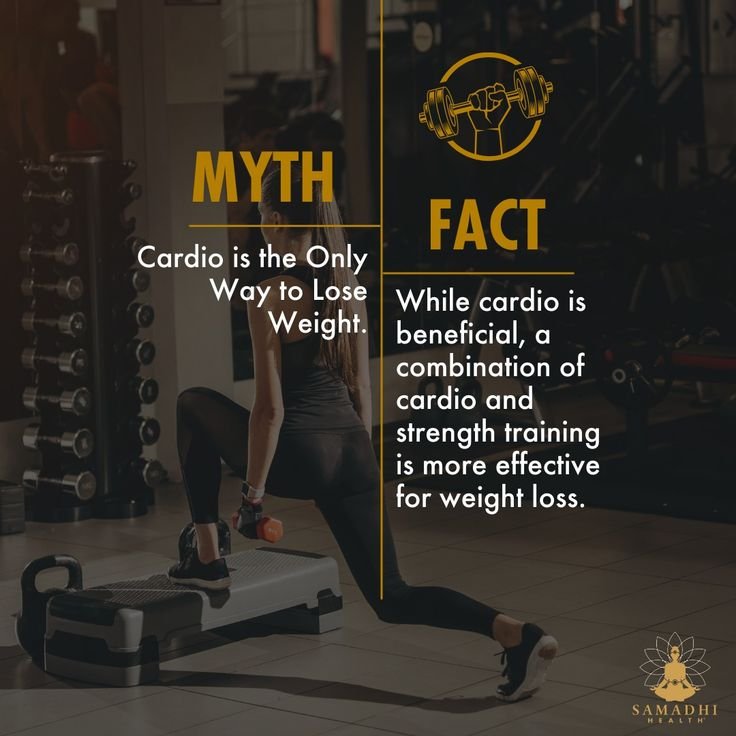
In addition to these myths, there is the idea that one form of exercise is superior to others. The truth is, the best exercise is the one that aligns with personal preferences and abilities. Whether it’s yoga, swimming, cycling, or dancing, engaging in a variety of activities can keep the workout experience fresh and exciting. Each type of exercise has its benefits, contributing uniquely to cardiovascular health, flexibility, and muscle strength. Understanding these various forms of exercise encourages individuals to find joy in movement, ultimately supporting a healthier lifestyle.
Mental Health and Wellness Myths
Mental health is a critical aspect of overall well-being, yet numerous myths and misconceptions persist that undermine its significance. One pervasive myth is that mental health issues are not real illnesses. This notion trivializes the experiences of millions who suffer from conditions such as depression, anxiety, and bipolar disorder. Mental health disorders are well-documented, scientifically recognized health issues that affect individuals biologically, psychologically, and socially. They require understanding and appropriate treatment, just as physical ailments do.
Another common misconception is the belief that individuals can simply think their way out of depression. While positive thinking can be beneficial, it is not a replacement for comprehensive mental health treatment. Overlooking the complex nature of mental illnesses can lead to harmful consequences, including stigma and isolation for those who are suffering. Evidence shows that mental health treatments, which may include therapy, medication, or a combination of both, are effective and necessary in managing these conditions.
Stigmatization continues to surround mental health, further complicating individuals’ willingness to seek help. Societal pressure often leads people to believe they should be able to overcome mental health challenges on their own. It is essential to normalize conversations about mental health, recognizing the legitimacy of these struggles and promoting awareness around the importance of professional assistance. Self-care plays a vital role in maintaining mental wellness, but it should be complemented by professional support when needed. The myth that mental health can be remedied through willpower alone disregards the necessity for a supportive network and professional intervention.
As we work towards fostering a better understanding of mental health, it is imperative to challenge these misconceptions actively. Educating ourselves and others about the realities of mental health can help cultivate a more empathetic and informed society.