
Understanding Skin Health
Skin health is a critical aspect of overall well-being, influencing not only the appearance but also functionality. The skin serves as the body’s first line of defense, protecting against environmental insults and pathogens. Biological factors significantly affect skin aging, including the breakdown of collagen and elastin, proteins that maintain skin structure and elasticity. As we age, the production of these proteins declines, leading to wrinkles and sagging skin.
Thank you for reading this post, don't forget to subscribe!Additionally, environmental influences such as ultraviolet (UV) radiation and pollution contribute to skin aging. UV rays can damage skin cells, resulting in photoaging, characterized by sun spots and a leathery texture. Pollution, on the other hand, can increase oxidative stress, which depletes skin’s antioxidant defenses and exacerbates signs of aging.
Nutrition plays an essential role in supporting skin vitality and mitigating these aging effects. A diet rich in antioxidants, vitamins, and healthy fats can nourish the skin from within. For example, vitamin C is crucial for collagen synthesis, while vitamins E and A help protect against oxidative damage. Omega-3 fatty acids, found in fatty fish and flaxseeds, are known to enhance skin hydration and reduce inflammation.
Furthermore, hydration cannot be overlooked; adequate water intake is vital for maintaining skin moisture and elasticity. Foods that contain high water content, such as cucumbers and watermelon, also contribute to skin hydration. In summary, a well-balanced diet rich in specific nutrients is fundamental to maintaining skin health, preventing premature aging, and achieving a youthful appearance.
Nutrient-Rich Foods for Youthful Skin
The foundation of healthy, youthful skin lies in the consumption of nutrient-rich foods that supply essential vitamins and antioxidants. Foods laden with Vitamin C, for example, such as oranges, strawberries, and bell peppers, not only bolster the immune system but also stimulate collagen production, which is vital for skin elasticity and overall appearance. Collagen reduces the visibility of fine lines and wrinkles, promoting a youthful look.
Vitamin E is another crucial nutrient that helps protect skin cells from oxidative stress caused by free radicals. This vitamin can be found in nuts such as almonds and hazelnuts, as well as in seeds and green leafy vegetables. Regular consumption of Vitamin E-rich foods may aid in maintaining skin hydration and elasticity, essential factors in achieving a healthy and vibrant complexion.
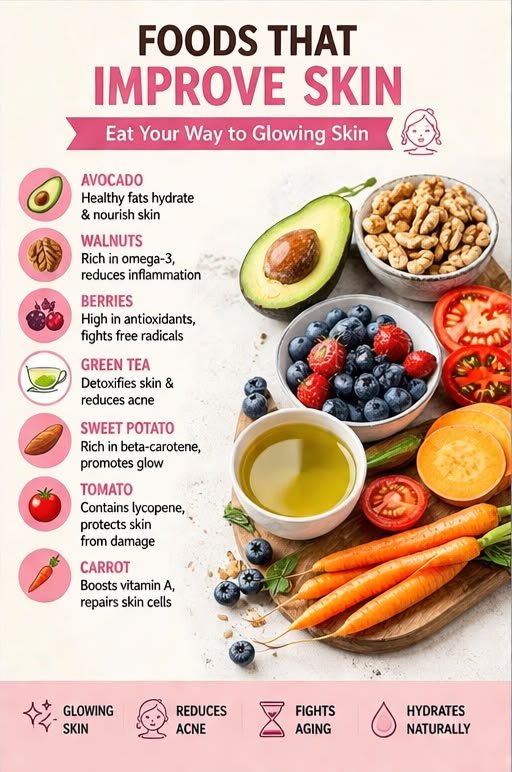
In addition to vitamins, incorporating foods rich in healthy fats can significantly enhance skin health. Avocados, for instance, are a great source of monounsaturated fats, which help maintain skin moisture and promote a supple texture. Omega-3 fatty acids, found in fatty fish like salmon and walnuts, also contribute to skin nourishment by reducing inflammation and improving the skin barrier function, thus helping to lock in moisture.
Furthermore, hydration plays a pivotal role in skin health. Foods with high water content, such as cucumbers, watermelon, and oranges, not only hydrate the body but also provide beneficial nutrients that can invigorate the skin. Staying adequately hydrated is crucial in the quest for smooth, plump skin.
These nutrient-rich foods, when included in a balanced diet, can work synergistically to enhance skin health and promote a more youthful appearance, backed by scientific research supporting their effectiveness.
The Role of Hydration in Skin Health
Maintaining adequate hydration is essential for promoting skin health and ensuring a youthful appearance. The skin, as the largest organ of the body, relies heavily on moisture to maintain its elasticity and overall condition. Without sufficient water intake, skin can become dry, flaky, and more prone to wrinkles. A well-hydrated complexion can significantly contribute to a radiant and youthful look.
Water consumption directly affects skin hydration. When the body is well-hydrated, the skin tends to appear fuller and plumper. Conversely, dehydration can exacerbate skin concerns such as fine lines, dullness, and even inflammatory issues. Drinking adequate amounts of water throughout the day helps to transport essential nutrients to skin cells while flushing out toxins, thereby aiding skin rejuvenation.
In addition to direct water intake, hydrating foods can also play a critical role in enhancing skin hydration levels. Foods rich in water content, such as cucumbers, oranges, and tomatoes, can help supplement daily fluid intake. These foods not only provide hydration but also deliver beneficial vitamins, minerals, and antioxidants that are vital for skin health.
To optimize hydration practices, it is advisable to establish a routine that includes drinking at least eight 8-ounce glasses of water daily, though individual needs may vary based on activity level and climate. Incorporating more hydrating foods into meals and snacks—such as smoothies, salads, and soups—can further boost hydration. Keeping a refillable water bottle handy can also serve as a constant reminder to drink throughout the day.
Ultimately, integrating adequate hydration into your daily routine is fundamental for skin health. By understanding the significant impact of water and hydrating foods on skin condition, individuals can take proactive steps toward enhancing their skin’s appearance and longevity.
Creating a Skin-Healthy Diet Plan
Designing a skin-healthy diet plan involves incorporating a variety of foods that are rich in vitamins, minerals, and antioxidants beneficial to maintaining skin elasticity and a youthful appearance. To achieve this, it is essential to include a combination of fruits, vegetables, whole grains, healthy fats, and lean proteins in your daily meals. This diverse intake can help ensure that the skin receives all the vital nutrients it needs.
Start your day with a breakfast that includes foods rich in omega-3 fatty acids, such as chia seeds or flaxseeds combined with oatmeal. This not only provides energy but also contributes to hydration and glowing skin. For lunch, consider a salad featuring leafy greens, such as spinach or kale, with colorful vegetables like bell peppers and carrots, topped with a source of protein such as grilled chicken or chickpeas. Add a drizzle of olive oil to enhance the absorption of fat-soluble vitamins.
When planning snacks, opt for almonds or walnuts, which are rich in essential fatty acids, and pair them with fruits like blueberries or strawberries that are high in antioxidants. Greek yogurt with honey and a sprinkle of seeds can serve as a refreshing, skin-boosting treat. For dinner, include fatty fish like salmon or mackerel which are loaded with omega-3s, accompanied by a side of quinoa or sweet potatoes and steamed broccoli, providing an array of beneficial nutrients.
As you shop for these skin-friendly ingredients, focus on whole foods and organic options when possible, minimizing processed items. Furthermore, consider food pairings that enhance the nutrient absorption; for instance, combining vitamin C-rich foods such as oranges or kiwis with iron sources like spinach aids in maximizing the benefits of both. By strategically planning meals around these ingredients, one can create a balanced diet that supports skin health and promotes a youthful appearance.