
Introduction to Healthy Lifestyle Apps
In today’s fast-paced world, maintaining a healthy lifestyle has become increasingly challenging. With the demands of work, family commitments, and the constant influx of information from various sources, individuals often find it difficult to prioritize their health. This is where technology, specifically mobile applications, comes into play, offering a crucial support system for adopting and maintaining healthy habits.
Thank you for reading this post, don't forget to subscribe!Healthy lifestyle apps are designed to assist users in several key areas, including fitness tracking, nutrition management, mental wellness, and overall health monitoring. By leveraging these tools, individuals can set goals, track their progress, and stay motivated in their journey towards improved well-being. The convenience and accessibility of mobile applications mean that users can integrate health habits seamlessly into their daily routines.
Moreover, the rise in health-related apps can be attributed to the growing awareness about the importance of self-care and preventive health measures. With features like personalized workout plans, meal suggestions, mindfulness exercises, and progress tracking, these applications provide a comprehensive solution to support an individual’s healthcare needs. As more people take charge of their health, the prevalence of technology-driven resources continues to surge.
Additionally, many of these apps foster community engagement and provide social support, helping users to connect with others who share similar health goals. This peer interaction can enhance motivation and accountability, leading to a more successful and sustained commitment to a healthier lifestyle. Overall, healthy lifestyle apps represent a valuable asset for anyone looking to improve their physical and mental health in an increasingly busy world.
Top Features to Look for in Health Apps
When exploring healthy lifestyle apps, various features significantly influence their effectiveness and user-friendliness. First and foremost is the user interface design. A clean, intuitive interface not only enhances user engagement but also facilitates easy navigation through complex features. Users should feel empowered, not overwhelmed, when utilizing these applications.
Secondly, tracking capabilities are crucial. Effective health apps often provide robust tracking functionalities that allow users to monitor various aspects of their health, such as nutrition intake, physical activity levels, sleep patterns, and vital signs. These tracking features enable users to gain insights into their habits, assisting in making informed decisions towards a healthier lifestyle.
Personalized recommendations are another essential attribute. Health apps that analyze user data and tailor advice based on individual needs can significantly improve outcomes. This adaptability might include custom meal plans, workout routines, or wellness tips that consider factors like age, gender, and fitness levels.
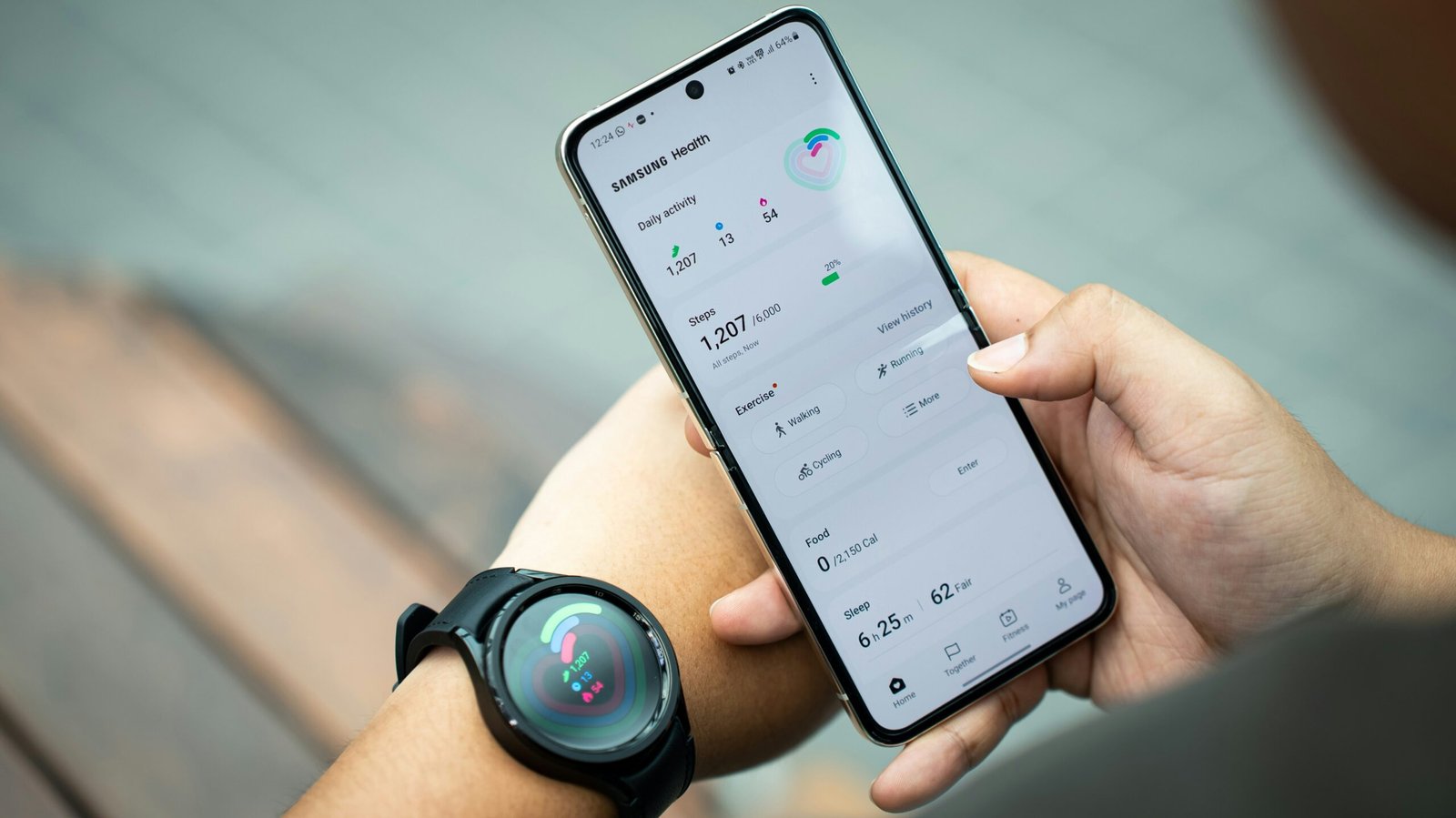
Additionally, integration with wearable devices enhances the user experience. When health apps sync seamlessly with devices like fitness trackers or smartwatches, users can benefit from real-time data, enabling more accurate tracking and tailored recommendations.
Social sharing functions and community support also contribute to the overall efficacy of health apps. Users often find motivation in sharing their progress with friends or connecting with others pursuing similar health goals. A supportive community within the app can foster accountability, encouragement, and shared experiences, which are vital for long-term commitment to a healthy lifestyle.
In summary, when selecting a health app, considering these essential features—user interface design, tracking capabilities, personalized recommendations, integration with wearable technologies, and social support—is imperative for a successful and sustainable health journey.
Five Recommended Healthy Lifestyle Apps for 2023
As technology continues to advance, numerous healthy lifestyle apps have emerged to support individuals in achieving their health and wellness goals. Here, we delve into five of the most recommended applications that cater to a variety of health objectives, including fitness, nutrition, and mindfulness.
The first app is MyFitnessPal, a popular choice for those focused on nutrition and weight loss. MyFitnessPal allows users to track their daily food intake, offering a comprehensive database to log meals seamlessly. Its usability is enhanced by features such as barcode scanning, personalized calorie goals, and integration with other fitness apps and devices. Many users commend its vast food library and the supportive community that encourages accountability.
Next is Headspace, which has gained traction for promoting mindfulness and mental well-being. This app offers guided meditations, sleep aids, and even mindful workouts to help users cultivate a calmer mind. Feedback often highlights the user-friendly nature of Headspace, making mindfulness accessible for beginners and seasoned practitioners alike.
For fitness enthusiasts, Fitness Buddy presents an extensive library of exercise tutorials and customizable workout plans. The app remains well-received due to its comprehensive exercise database and tracking capabilities that let users monitor their progress effectively. Its intuitive design enhances usability, making it easier for individuals to remain committed to their fitness journeys.
Noom also stands out, employing a unique psychology-based approach to weight loss. Unlike traditional calorie counting apps, Noom focuses on behavior change, helping users understand their eating patterns and emotional triggers. The app’s interactive features, including personal coaching and educational articles, are praised for their motivational aspect.
Lastly, Sleep Cycle caters to users aiming to improve their sleep quality. By analyzing sleep patterns and optimizing wake-up times, the app helps users develop healthier sleep habits. Its analytics are based on sound and movement data, and many users report significant improvements in their overall sleep experience.
Tips for Getting Started with Health Apps
Incorporating health apps into your daily routine can significantly enhance your wellness journey. However, successfully integrating these tools requires intentionality and approach. Here are some practical tips to help you make the most of health apps.
First, set achievable and specific goals. Whether you aim to track your exercise, monitor your nutrition, or improve your mental well-being, defining clear objectives will help you stay focused. Instead of vague resolutions like “get fit,” consider specific targets such as “exercise three times a week for 30 minutes” or “consume five servings of fruits and vegetables daily.” This clarity will enable you to measure your progress more effectively.
Creating a routine is also essential. Schedule time for using your health apps, whether for tracking meals or logging workouts. Consistency fosters habit formation; using an app regularly will help you stay accountable and ensure that your new behaviors become part of your lifestyle. Additionally, using app features to their fullest potential can greatly enhance your experience. Many health apps offer personalized recommendations, progress tracking, and community support. Take the time to explore all features and incorporate them into your daily routine.
Moreover, staying motivated is crucial. Setting up rewards for achieving milestones can boost your enthusiasm. Whether it’s treating yourself to a favorite healthy meal or new workout gear, small incentives can encourage sustained engagement with your health apps.
However, it is essential to find a balance. Becoming overly reliant on technology can overshadow your intuitive understanding of health and wellness. Aim to use health apps as supportive tools rather than crutches. By maintaining this balance, you can enhance your journey towards a healthier lifestyle without letting technology dictate your progress.

