
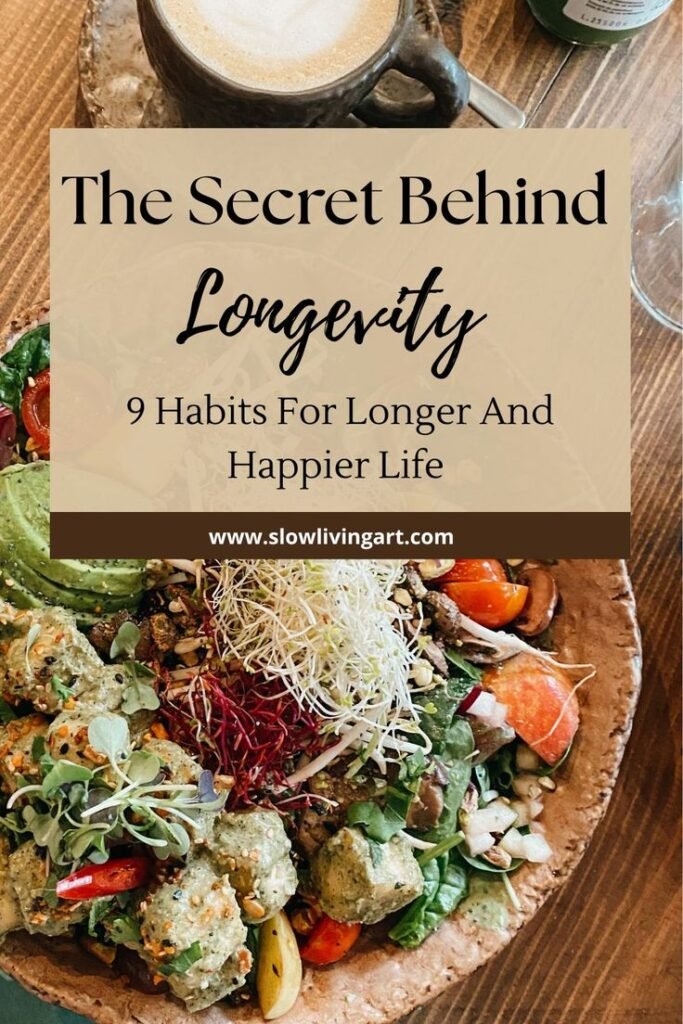
Understanding Longevity and Its Importance
Longevity refers to the length of time that an individual lives. It is a multifaceted concept affected by various elements, including genetics, environmental factors, and lifestyle choices. Understanding longevity is essential, as it not only relates to the number of years a person lives but also the quality of life during those years. A focus on longevity encourages individuals to adopt healthier habits that support overall well-being.
Thank you for reading this post, don't forget to subscribe!Genetics plays a significant role in determining lifespan, with certain genetic markers potentially influencing susceptibility to specific diseases. However, it is critical to recognize that genetics is just one part of the equation. Environmental factors, including access to healthcare, pollution levels, and social support networks, also contribute substantially to longevity. For instance, individuals living in communities with active social engagement often show higher life expectancies, highlighting the importance of relationships and social structures.
Moreover, lifestyle choices are pivotal in shaping a person’s life span. Numerous studies have established a clear link between healthy habits, such as regular physical activity, balanced nutrition, and avoiding harmful behaviors like smoking and excessive alcohol consumption, and increased longevity. For example, a study published in the “Journal of the American Medical Association” revealed that engaging in moderate to vigorous physical activity significantly reduces the risk of premature death. Similarly, adhering to a diet rich in fruits, vegetables, whole grains, and lean proteins has been associated with longer life expectancy.
The understanding of longevity has profound implications for health policy and personal health management. It serves as a reminder of the importance of adopting and maintaining healthy lifestyle practices that not only enhance lifespan but also improve the quality of life. As we explore the specific healthy habits that can contribute to increased longevity, it is crucial to appreciate the holistic nature of this complex topic.
Nutrition: The Foundation of a Healthy Life
Nutrition plays a pivotal role in promoting longevity and overall well-being. It encompasses the intake of essential nutrients such as vitamins, minerals, proteins, carbohydrates, and fats, which contribute significantly to bodily functions and health maintenance. A rich variety of food items must be included in one’s diet to ensure adequate nutrient intake. This abundance of nutrients supports the immune system, enhances metabolic processes, and promotes cellular repair and regeneration.
A balanced diet brings numerous advantages, including weight management, reduced risk of chronic diseases, and improved mental health. Studies consistently show that individuals who adhere to a well-rounded nutritional regimen tend to enjoy longer, healthier lives. To achieve this balance, it is crucial to focus on whole foods, such as fruits, vegetables, whole grains, legumes, nuts, and seeds. These foods provide the essential nutrients that the body requires.
Portion control is another vital aspect of maintaining a healthy diet. Overeating, even healthy foods, can lead to weight gain and related health issues. It is recommended to practice mindful eating by paying attention to hunger cues and satiety signals. Adequate portion sizes can help in maintaining a healthy weight, which is crucial for longevity.
Dietary patterns also play a significant role in longevity. The Mediterranean diet, characterized by high consumption of plant-based foods, healthy fats, and moderate intake of fish and poultry, has been linked to increased lifespan. Similarly, plant-based eating has gained attention for its potential benefits in promoting health and longevity, as it emphasizes nutrient-dense foods that improve heart health and lower inflammation.
Ultimately, prioritizing nutrition is foundational to cultivating a healthy lifestyle that fosters longevity. The integration of nutritious foods, balanced meals, and portion control creates a holistic approach to health. By embracing these principles, individuals can enhance their quality of life and increase their lifespan.
Exercise: Movement for a Longer Life
Regular physical activity is a cornerstone for achieving a healthy lifestyle and extending longevity. Engaging in exercise not only promotes physical health but also greatly impacts mental well-being. Different types of exercise, such as cardiovascular, strength training, and flexibility work, play unique roles in enhancing overall health and longevity.
Cardiovascular exercises, including walking, running, swimming, and cycling, are highly effective for maintaining heart health. They improve circulation, enhance lung function, and help in weight management. According to numerous studies, consistent cardiovascular activity can reduce the risk of heart disease and stroke, ultimately contributing to increased life expectancy.
Strength training, on the other hand, is vital to preserving muscle mass and bone density, particularly as individuals age. Activities such as lifting weights, bodyweight exercises, or resistance band workouts stimulate muscle growth and help to combat the natural decline in muscle strength that occurs with age. This type of exercise can improve metabolic rate, aid joint stability, and reduce the risk of injury.
Incorporating flexibility exercises, such as yoga and stretching, is equally important. These activities enhance the range of motion in joints, improve posture, and can lessen the risk of falls, particularly in older adults. Furthermore, they promote relaxation and can be an excellent way to manage stress.
To integrate exercise into daily life, individuals should aim for at least 150 minutes of moderate aerobic activity or 75 minutes of vigorous activity each week, combined with muscle-strengthening activities on two or more days. Starting small, setting achievable goals, and finding enjoyable forms of movement can make exercise a sustainable part of a healthy lifestyle, regardless of age or fitness level.
Mental well-being is an essential component of a healthy lifestyle, significantly influencing overall longevity. Recognizing the profound connection between mental health and physical health is crucial in understanding how these elements work together to enhance life expectancy. Stress management, emotional engagement, and supportive relationships are all factors that contribute positively to mental well-being. Individuals must actively manage stress through techniques such as mindfulness, meditation, or physical exercise, which can mitigate its negative effects on the body and mind.
Additionally, staying emotionally engaged with oneself and the community plays a vital role in promoting mental health. Pursuing activities that foster joy and satisfaction, like hobbies, volunteering, or creative expression, creates a sense of purpose. Mental stimulation and emotional engagement can lead to improved cognitive function and decreased feelings of loneliness, further contributing to longevity. Cognitive activities are also important; they keep the brain active, which is crucial for mental resilience as one ages.
Building and maintaining strong social connections is another critical facet of promoting longevity through mental well-being. Relationships with family and friends provide support, reduce feelings of isolation, and contribute to a sense of belonging. Individuals are encouraged to foster these connections by engaging in community groups, attending social events, or simply making time for friends and family. Quality interactions, rather than quantity, are significant; thus, nurturing meaningful relationships is vital for emotional fulfillment.
In conclusion, the emotional side of longevity can be greatly enhanced through mental well-being and social connections. Prioritizing mental health and actively fostering relationships can lead to improved life satisfaction, better health outcomes, and ultimately, increased life expectancy. Embracing these practices is a tangible way to invest in one’s long-term health and happiness, proving that well-being is as crucial as physical health in the journey toward longevity.

