
Understanding Your Fitness Goals
Establishing clear fitness goals is crucial before embarking on your home gym journey. Having defined objectives helps maintain motivation and provides a roadmap for your workouts. Fitness aspirations can vary significantly among individuals, including targets such as weight loss, muscle building, improving cardiovascular health, and enhancing overall wellness. By understanding these diverse goals, one can tailor their home gym setup accordingly.
Thank you for reading this post, don't forget to subscribe!For instance, those focused on weight loss might prioritize equipment that allows for high-intensity interval training or cardiovascular workouts. This could include items such as a treadmill, stationary bike, or jump rope, which are effective for burning calories and fat. Conversely, individuals aiming to build muscle may want to consider investing in free weights, resistance bands, or a multi-gym system. These tools facilitate strength training, essential for promoting muscle growth and toning.
Furthermore, improving cardiovascular health often requires a different approach. Equipment like elliptical machines, rowers, or even simple jump ropes can provide excellent cardiovascular workouts. Such considerations highlight the importance of choosing equipment that aligns closely with your fitness goals. Another aspect to consider is overall wellness, which encompasses not just physical fitness but mental health as well. Incorporating tools like yoga mats, stability balls, or foam rollers can be beneficial for balance, flexibility, and recovery.
In summary, recognizing your fitness goals will not only help you stay focused and motivated but will also guide your equipment choices in setting up a home gym. A personalized approach based on these goals ensures that your investment yields the most significant results for your individual fitness journey.
Essential Equipment for a Beginner’s Home Gym
Establishing a home gym can provide a convenient and cost-effective solution for beginners looking to integrate fitness into their daily routines. The selection of essential equipment plays a pivotal role in ensuring a diverse range of workout options. The following items are recommended as fundamental components of a beginner’s home gym.
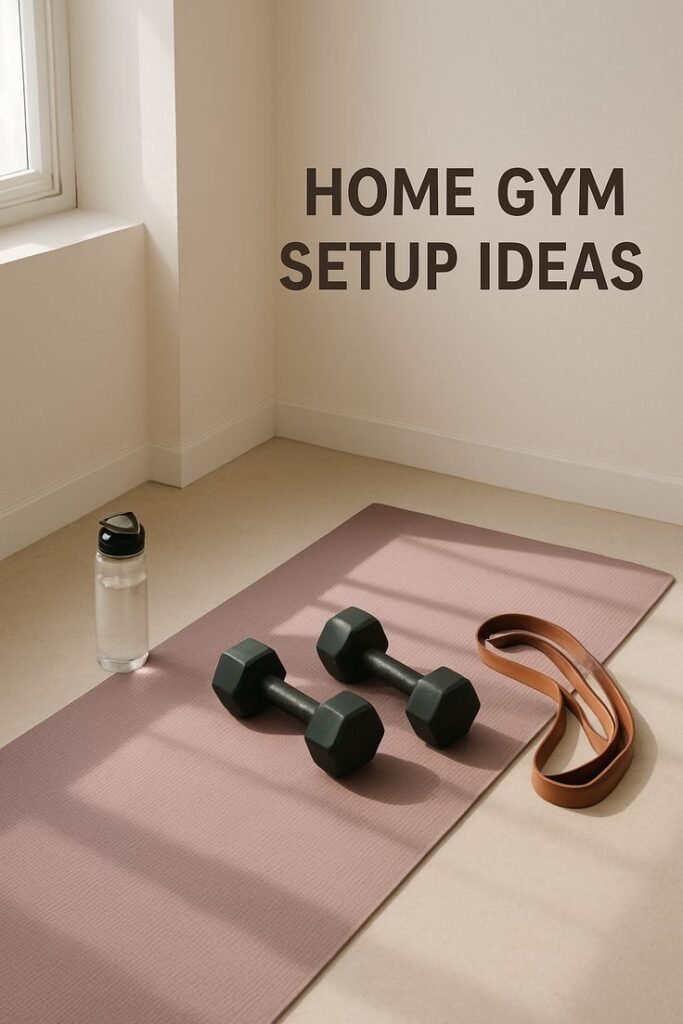
Dumbbells are versatile tools that allow beginners to perform various strength-training exercises, targeting different muscle groups. Starting with a set of adjustable dumbbells is advisable, as they provide the adaptability needed as strength increases.
Resistance bands are lightweight, portable, and perfect for strength training and rehabilitation exercises. They come in various resistance levels, making them suitable for all fitness levels and ideal for users looking to enhance their range of motion and functional strength.
Kettlebells are another valuable addition, offering a unique approach to strength and cardio training. Their design enables a range of movements, from swings to presses, which can improve overall body strength and stamina.
A stability ball is an excellent choice for enhancing core stability and balance. Its use in both strength training and stretching exercises makes it a multifaceted piece of equipment that aids in improving posture and flexibility.
Furthermore, having a quality yoga mat can provide a comfortable, non-slip surface for workouts, stretching, or yoga practices. This equipment enhances workout enjoyment and safety, particularly in floor exercises.
For cardiovascular exercise, a jump rope or stationary bike can serve as efficient tools to incorporate aerobic training into your routine. Jump ropes are not only affordable but also help improve coordination and endurance. A stationary bike, while potentially a larger investment, offers a low-impact cardiovascular workout ideal for beginners.
In summary, these essential pieces of equipment are foundational for any beginner seeking to create a well-rounded home gym. With the right gear, newcomers can achieve their fitness goals within the comfort of their homes.
Creating a Functional Home Gym Space
Setting up a functional home gym space is a crucial step towards establishing a successful workout routine. When considering how to create a dedicated workout area in your home, the first factor to assess is the available space. Ideally, choose an area that is both spacious and free from distractions. Consider underused spaces such as a basement, spare room, or even a corner of the living room where effective workouts can take place.
Next, flooring is an essential aspect to address. The right flooring not only enhances comfort during exercises but also reduces the risk of injury. Options such as foam mats, rubber flooring, or even carpet tiles can create a safe surface for high-impact activities. Ensure that the flooring complements the type of exercises you plan to perform, enabling stability and grip as necessary.
Lighting plays a vital role in creating an inviting atmosphere for workouts. Natural light is ideal, as it can enhance mood and energy levels during exercise. If natural light is limited, consider using bright, adjustable LED lights to illuminate your workout space effectively. Good visibility will help motivate you, especially during early morning or late evening routines.
Ventilation is another crucial factor to keep in mind. An adequately ventilated area prevents the procurement of stale air, which can be detrimental during vigorous workouts. Make sure there are windows that can be opened or utilize fans to maintain airflow for a more comfortable environment.
Lastly, it’s important to incorporate appropriate storage solutions for your home gym equipment. Invest in shelves, racks, or wall-mounted organizers to keep equipment accessible while maintaining a clutter-free environment. Proper storage will ensure that your home gym remains functional and inviting, encouraging you to work out consistently.
Tips for Getting Started and Staying Motivated
Establishing a consistent workout routine can be challenging, especially for beginners embarking on their fitness journey. To foster a positive mindset and sustained engagement, it is essential to adopt effective strategies that promote motivation. One fundamental approach is setting realistic and achievable goals. Begin by defining specific targets, whether it’s completing a workout three times a week or improving endurance. This clarity not only provides direction but also enables individuals to assess their progress over time.
Scheduling workouts is another crucial factor in maintaining motivation. By allocating specific times in your calendar for fitness activities, you treat them as appointments that cannot be missed. This practice helps to establish a routine, making it easier to integrate exercise into daily life. Additionally, incorporating variety into workout sessions can combat monotony. Exploring different types of exercises, such as strength training, yoga, or cardio, can keep routines fresh and engaging, helping to minimize the risk of burnout.
Tracking progress plays a vital role in motivation and self-assessment. Utilizing fitness apps or journals to log workouts, measurements, and achievements can provide a visual representation of progress, serving as a motivational tool. As results become evident, individuals often feel encouraged to push further, thus reinforcing their commitment to fitness.
Lastly, the importance of community support cannot be understated. Joining fitness groups, whether online or in-person, fosters a sense of camaraderie and accountability. Engaging with others who share similar fitness goals creates an environment where individuals can encourage one another, share experiences, and celebrate achievements. This supportive network can enhance motivation, providing a framework for long-term engagement with fitness.

