
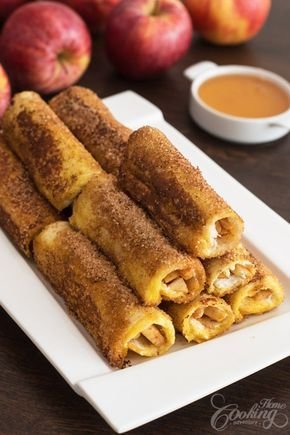
Apple-cinnamon French toast roll-ups turn familiar breakfast ingredients into a warm, inviting treat that feels special without demanding a complicated morning. Thin slices of soft bread are filled with tender apples tossed with cinnamon and sugar, then rolled into neat, handheld spirals. A quick dip in a simple mixture of egg and milk gives the bread its classic French toast flavor and helps it cook to a rich, golden finish. The result is cozy and satisfying, with the familiar comfort of French toast in a playful form that is easy to serve and enjoy.
The roll-up shape makes these especially appealing for relaxed breakfasts, brunch spreads, or a snack to share. Each piece is easy to pick up, so there is no need to cut through a stack of slices or arrange extra toppings at the table. A crisp exterior gives way to soft bread and a tender apple filling, creating a contrast of textures in every bite. Warm cinnamon brings gentle spice, while the fruit adds sweetness and a soft, juicy center. Serve them freshly cooked for the clearest crunch, or arrange them on a platter for guests to enjoy at their own pace.
There is no special equipment or advanced technique involved: a knife, a bowl, and a frying pan are enough to get started. The ingredients are straightforward, and the preparation follows a simple rhythm—flatten the bread, add the apple mixture, roll, dip, and cook. Keeping the filling modest helps the rolls stay neatly closed and cook evenly. A little butter in the pan encourages browning and adds a pleasant aroma, while moderate heat lets the inside warm through before the outside becomes too dark. With familiar French toast flavors and an easy-to-hold shape, these apple-cinnamon roll-ups offer a practical, welcoming option for mornings when a homemade breakfast feels right.
Soft sandwich bread is the foundation of reliable French toast roll-ups. Choose fresh, pliable slices that bend easily; dry or thick-crusted bread is more likely to crack when rolled. Remove the crusts from each slice, then flatten it gently with a rolling pin or the bottom of a glass. Flattening creates an even surface that holds the filling and helps the roll-up stay closed. A firm apple, such as Granny Smith, Honeycrisp, or Pink Lady, works well because it keeps some structure as it cooks. Finely dice or grate the apple so it softens quickly and is easy to distribute in a thin layer.
Butter, cinnamon, and a little sugar turn the apple into a warmly spiced filling without overwhelming its fresh flavor. Melt a small amount of butter in a pan over medium heat, then add the apple, cinnamon, and sugar. Cook briefly, stirring often, until the mixture smells fragrant and the apple is just tender. The goal is to soften the fruit, not cook it into applesauce. Keep the filling thick: excess liquid can make the bread soggy and cause the rolls to open during cooking. If the apple releases juice, continue cooking for a short time until the moisture evaporates. Let the filling cool slightly before assembling.
For the coating, whisk eggs with milk and, if desired, a little vanilla. Eggs help the coating cling and set into a golden exterior, while milk makes it lighter; vanilla adds a subtle aromatic note. Keep the mixture smooth and shallow enough to dip each roll easily. Place a modest line of apple filling near one edge of each flattened bread slice, leaving a little space at the sides. Avoid overfilling, since too much mixture can escape as the bread is rolled or dipped. Roll the bread snugly around the filling, seam-side down, and prepare the remaining slices in the same way. This measured preparation gives each roll-up a tender center and a crisp, evenly browned finish.
Once the filling is ready, place a slice of flattened bread on a clean surface and position the apple-cinnamon mixture near one edge, leaving a narrow border around the sides. Fold the edge closest to the filling over it, then tuck the bread gently around the mixture as you roll toward the opposite edge. Keep the roll snug enough to hold its shape, but avoid squeezing so firmly that the filling escapes. Set each roll seam-side down on a plate or tray while you prepare the rest. A secure seam helps the bread stay closed in the skillet and keeps the warm filling inside as the exterior browns.
In a shallow dish wide enough to fit a roll, whisk the eggs with the milk and vanilla until the mixture is smooth and evenly combined. A shallow container makes it easier to coat the bread without flattening or breaking the rolls. Working one at a time, dip each roll briefly into the egg mixture, turning it so all sides are lightly coated. Lift it out and allow excess liquid to drip back into the dish before cooking. The bread should absorb enough custard to brown well, but it should not be left soaking; a long dip can make the rolls soft, difficult to handle, or prone to splitting.
Heat butter in a skillet over medium heat, allowing it to melt and lightly coat the cooking surface without becoming dark. Arrange the rolls seam-side down, leaving space between them so they cook evenly rather than steam. Cook the first side until golden, then turn each roll gradually with tongs or a spatula to brown every side. Keep the heat moderate: a very hot pan can darken the bread before the center and apple filling have warmed through, while low heat may leave the exterior pale. Cook in batches if necessary, adding a little more butter between batches as needed. Transfer finished rolls to a plate when they are crisp and evenly golden, and serve while warm.
Serve the apple-cinnamon French toast roll-ups warm, soon after cooking, when their outsides are at their crispiest and the filling is soft. For a simple finish, dust them lightly with cinnamon sugar or powdered sugar just before serving. Maple syrup makes a classic dip, while plain or vanilla yogurt offers a cool, creamy contrast. Fresh fruit, such as berries or sliced pears, can round out the plate and add brightness. If serving a group, arrange the roll-ups in a single layer rather than stacking them; trapped steam can soften the crisp coating. Keep any syrup on the side so the rolls stay crisp until dipped.
The apple filling can be prepared ahead to make breakfast or brunch easier. Cook it according to the recipe, then let it cool completely before storing it in a covered container in the refrigerator. Chilled filling is easier to handle and less likely to make the bread soggy during assembly. For the best texture, assemble and cook the rolls shortly before serving rather than refrigerating them fully assembled. If you have leftovers, reheat them in a skillet over medium-low heat, turning occasionally, or warm them in an oven until heated through. These methods help restore some crispness; a microwave is convenient, but tends to leave the bread soft.
There is room to adapt the filling while keeping it compact. Stir in a small amount of finely chopped pecans or walnuts for crunch, or add raisins for extra sweetness. Adjust the sugar to suit the apples and your preference, especially if serving the rolls with syrup or a sweet topping. Firm fruit that holds its shape when cooked, such as pear, can replace some or all of the apple. Whatever combination you choose, chop the fruit finely and cook away excess liquid before filling the bread. Avoid adding a wet or generous filling: it can leak during cooking, make the rolls difficult to seal, and prevent their outsides from browning evenly. Small, even portions keep assembly neat and cooking consistent.