
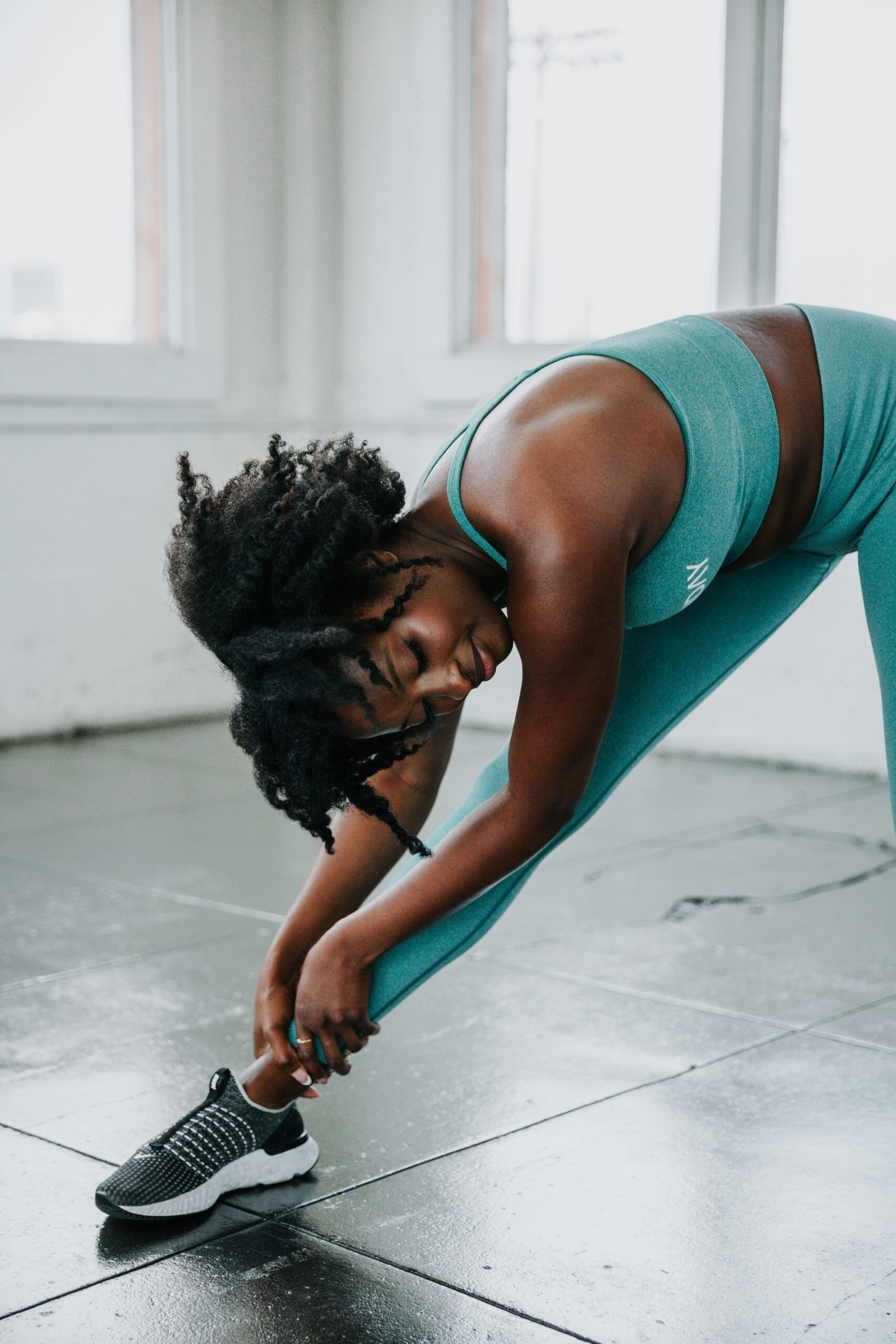
Understanding the Benefits of Stretching
Daily stretching offers a multitude of physical and mental benefits, making it an integral part of a healthy lifestyle. One of the primary advantages of stretching is the enhancement of flexibility. Regularly stretching muscles improves their elasticity, allowing for a greater range of motion in joints, which is crucial for performing both daily activities and specialized physical exercises. Increased flexibility can lead to more efficient movement patterns, reducing the risk of injury during both sports and routine tasks.
Thank you for reading this post, don't forget to subscribe!Moreover, stretching plays a significant role in improving circulation. When muscles are stretched, blood flow to those areas increases, promoting nutrient delivery and waste removal. Enhanced circulation can assist in speeding up the muscle recovery process after workouts, particularly after intense physical activities. This recovery assistance is vital not only for athletes but for anyone looking to maintain a physically active lifestyle.
In addition to the physical benefits, stretching also contributes to mental wellness. Engaging in stretching exercises has been linked to a reduction in stress and anxiety levels. The calming effects of stretching may be attributed to its ability to promote relaxation and mindful awareness, allowing individuals to focus on their breath and bodily sensations. This meditative aspect aids in alleviating tension that often accumulates in muscles from daily stressors.
Furthermore, the importance of stretching transcends age groups and fitness levels. For older adults, stretching is essential for maintaining mobility and flexibility, which supports overall independence. On the other hand, younger individuals and athletes can benefit from stretching as part of their warm-up and cool-down routines, enhancing performance and preventing injuries. Incorporating daily stretching into one’s routine can be a simple yet effective strategy for improving overall health and well-being.
Incorporating Stretching into Your Daily Routine
Incorporating stretching into a daily routine is both beneficial and achievable, contributing to improved flexibility, decreased muscle tension, and overall wellness. To effectively weave stretching into your everyday life, consider establishing a routine that caters to your specific schedule and lifestyle needs.
One practical approach is to allocate specific times during the day for stretching exercises. For instance, starting your morning with a 10-minute stretching routine can enhance blood circulation, helping to awaken both the body and mind. Focus on stretches that target major muscle groups such as the arms, back, and legs. A few notable stretches include the standing hamstring stretch and the cat-cow stretch, which can be beneficial for easing stiffness.
Pre-workout stretches are crucial for enhancing performance and reducing the risk of injury. Dynamic stretches such as leg swings and arm circles can be incorporated into your warm-up routine. Post-workout, it is essential to include static stretches, such as the quadriceps stretch and shoulder stretch, to assist in muscle recovery and flexibility. Allow at least 5 to 10 minutes for these exercises to optimize benefits.
For individuals with sedentary lifestyles, incorporating stretching can mitigate the adverse effects of prolonged sitting. Simple neck and shoulder stretches taken during work breaks can alleviate tension and improve posture. Setting reminders or utilizing apps dedicated to stretching can also serve as motivation to engage in these practices.
Ultimately, finding the right time and motivation is key. It may be helpful to associate stretching with other activities, such as listening to music or practicing mindfulness. By addressing common barriers—such as time constraints or lack of energy—you can cultivate a sustainable habit of daily stretching that contributes to your overall wellness.
Common Stretching Techniques and Best Practices
Stretching is a crucial component of any fitness regimen, contributing to flexibility, range of motion, and injury prevention. Various techniques can be employed, each serving a unique purpose. The three primary types of stretching include static stretching, dynamic stretching, and proprioceptive neuromuscular facilitation (PNF) stretching.
Static stretching involves lengthening a muscle to its furthest point and holding that position for a period, typically 15 to 60 seconds. This technique is most effective when performed after a workout as part of the cool-down routine, allowing the muscles to relax and elongate. Conversely, dynamic stretching incorporates movement and muscle activation, making it ideal for pre-workout warm-ups. This approach often includes motions such as leg swings and arm circles, effectively prepares the body for more intense physical activity.
PNF stretching is a more advanced technique that combines passive stretching and isometric contractions. It is often utilized in rehabilitative settings but can also enhance flexibility for athletes. During this procedure, a muscle is stretched, then contracted against resistance before being stretched again, often resulting in greater gains in flexibility.
Regardless of which stretching technique is employed, several best practices should always be adhered to. Warming up the muscles before stretching is essential, as it increases blood flow and decreases the risk of injury. This can involve light aerobic exercises, such as walking or jogging for a few minutes. Cooling down following intense activity is equally important, allowing the muscles to transition back to their resting state. Furthermore, individuals should listen to their bodies throughout the stretching process and avoid pushing beyond comfortable limits. Gradually increasing the intensity and duration of stretches will yield the best results while minimizing the risk of injury.
Conclusion: Making Stretching a Lifelong Habit
In the journey toward achieving overall wellness, daily stretching serves as a cornerstone practice. While often overlooked or relegated to a mere warm-up or cool-down, stretching possesses a multitude of benefits that contribute to both physical health and mental clarity. Incorporating stretching into your daily routine can foster flexibility, enhance range of motion, and help alleviate muscle tension. These physical benefits are crucial for maintaining an active lifestyle and preventing injuries, especially as one ages.
Moreover, stretching offers important psychological advantages. Engaging in this practice can promote relaxation, reduce stress levels, and improve overall mood. The mindful nature of stretching encourages a connection between body and mind, creating a holistic approach to wellness. Thus, it is essential to recognize stretching not merely as a component of exercise but as an invaluable ritual deserving of time and attention.
To embrace stretching as a lifelong habit, first start with understanding its importance. Setting aside a few minutes each day for stretching, whether in the morning to invigorate your body or in the evening to unwind, can create a lasting routine. It is beneficial to explore different stretching techniques, such as dynamic stretches before workouts or static stretches afterward, to find what works best for you. Furthermore, consider integrating stretching into daily activities to enhance consistency; for example, taking breaks during long periods of sitting to stretch can reinforce its importance.
Ultimately, committing to a daily stretching practice can significantly enhance overall wellness. As you make stretching a part of your life, you will likely experience improvements in physical abilities and emotional resilience. Therefore, prioritize stretching in your daily routine, and witness how it transforms not only your body but also your mind. With dedication and mindfulness, stretching can become a cherished habit that supports your lifelong wellness journey.

