
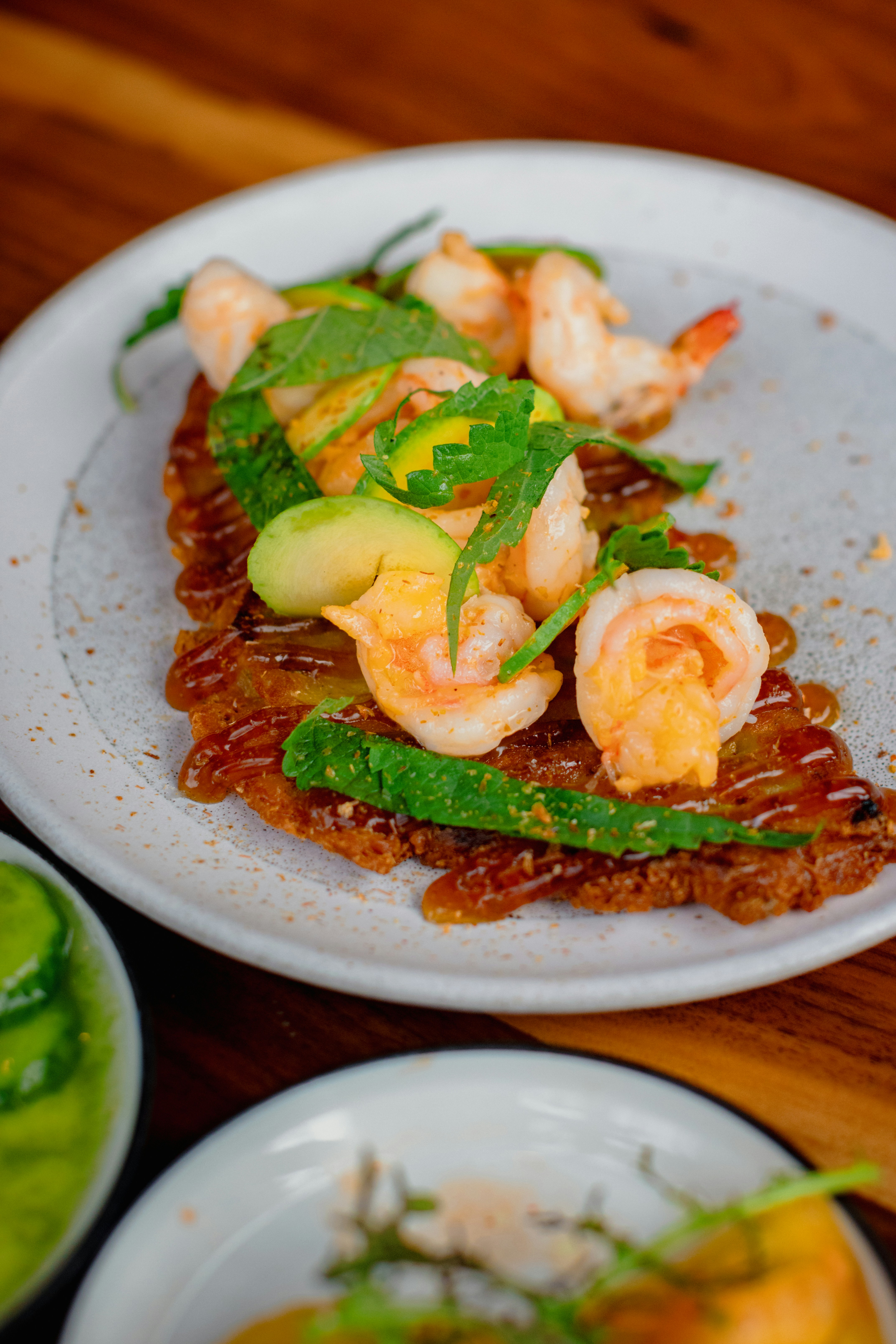
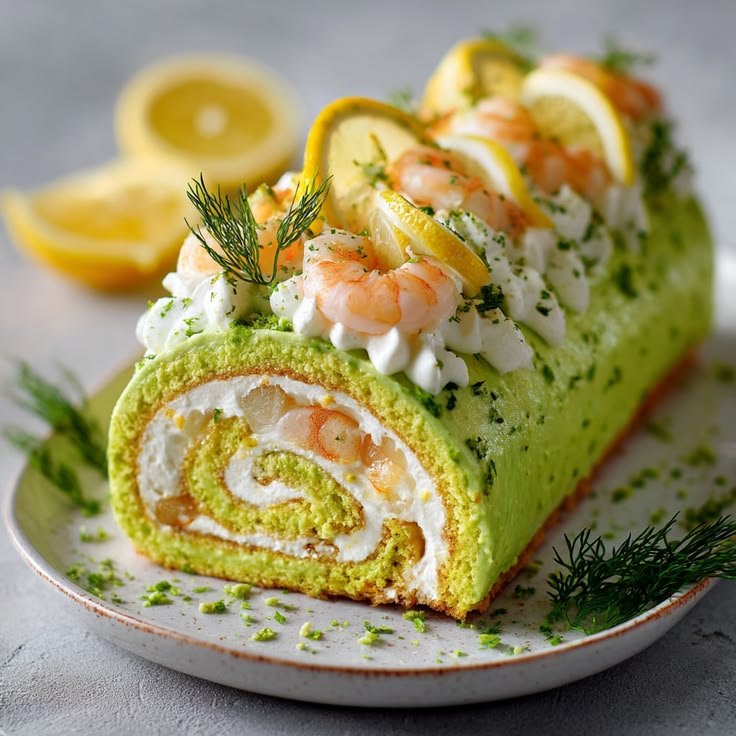
A chilled shrimp and avocado terrine offers a composed way to begin a meal, bringing together tender seafood, creamy fruit, and the clean lift of fresh lime. The shrimp provide a delicate sweetness, while ripe avocado creates a smooth, buttery layer that softens the citrus. Lime juice and zest add brightness, keeping the combination lively rather than heavy. Gentle seasoning lets these ingredients remain distinct, so the finished appetizer feels balanced and refreshing. Served cold, it is especially appealing when a lighter opening course is welcome, yet it still feels thoughtfully prepared and substantial enough to make an impression.
Its polished appearance is part of its appeal: when carefully set and chilled, the terrine can be cut into neat slices that reveal contrasting layers of pink shrimp and pale green avocado. This presentation brings a restaurant-style touch to the table. Arrange each portion on a cool plate, perhaps with crisp leaves, fine herbs, or a small spoonful of lime dressing. Because it is served chilled, it also suits warm-weather menus, outdoor lunches, and evenings when a hot starter would feel too rich.
For dinner parties, the terrine is convenient as well as elegant. It can be assembled ahead, then covered and refrigerated until serving, freeing time for other dishes and guests. Preparing it in advance also allows the flavors to settle and the layers to firm, making clean slicing easier. Keep it cold until the moment it reaches the table, and use a sharp knife for tidy portions. Its refined shape makes an attractive centerpiece for an appetizer spread; it pairs well with crusty bread or a crisp salad. In either setting, the combination of silky avocado, tender shrimp, and bright lime delivers freshness and visual appeal with minimal effort.
Cooked shrimp provide the terrine’s defining sweetness and a firm, delicate structure. Choose fresh, good-quality shrimp with a clean sea aroma, and cook them just until opaque so they remain tender rather than rubbery. Cool and drain them thoroughly before assembling; excess moisture can weaken the layers and make each slice less distinct. Depending on presentation, shrimp may be left whole, halved, or chopped, but pieces should be sized consistently. Their mild flavor works best when seasoning is measured, allowing the seafood to remain central while contributing enough texture to contrast with the smooth avocado.
For the creamy layer, select ripe but firm avocados. They should yield slightly to gentle pressure without feeling soft or bruised, since fruit that is too ripe can become watery and lose its shape. Mash or slice the avocado according to the desired finish, keeping the texture even for clean layers. Fresh lime juice brings brightness and helps slow browning, while finely grated zest adds a fragrant citrus note. Use both sparingly: too much juice can dominate the shrimp’s natural sweetness and loosen the avocado mixture. Taste as you go, aiming for a fresh, balanced acidity rather than a sharply sour result.
Season with salt and freshly ground black pepper, adjusting gradually because the shrimp may already carry a light salinity. Soft herbs such as dill, chives, cilantro, or parsley can add freshness; choose one or two so their aromas do not compete. A small amount of chili offers gentle warmth, while finely minced garlic adds savory depth if desired. For a terrine that needs extra stability, incorporate gelatin prepared according to its package directions, or use a light cream-based mixture for a softer, richer set. The best choice depends on the serving style. Keep all additions restrained, and prioritize fresh seafood, sound avocados, and fragrant limes for clear, harmonious layers.
Begin with shrimp that are fresh or properly thawed in the refrigerator. Cook raw shrimp in gently simmering water until opaque and firm, or until they reach an internal temperature of 145°F; avoid overcooking, which can make them tough. Drain promptly, spread in a shallow dish, and refrigerate until completely cold. If using cooked shrimp, keep them chilled and pat them dry to limit excess moisture. Peel and devein as needed, then leave small shrimp whole or slice larger ones lengthwise or into neat pieces to suit your presentation. Use clean utensils and keep raw seafood separate from ready-to-eat ingredients throughout preparation.
Prepare the avocado shortly before assembly so it retains its color and fresh flavor. Mash it lightly with lime juice, finely chopped herbs, and aromatics such as shallot or a little garlic; season with salt and pepper. For a more defined appearance, cut some avocado into small pieces rather than mashing it all. Line a loaf pan or terrine mold with plastic wrap, leaving enough overhang to cover the top. Arrange alternating layers of shrimp and avocado for clear stripes, or gently fold them together for a marbled effect. Distribute the ingredients evenly, taking care not to leave large gaps that could weaken the slices.
Fold the wrap over the surface and press the terrine gently with your hands or a small flat weight. The aim is to remove air pockets and help the layers hold together, not to crush the shrimp or squeeze out the avocado. Refrigerate for at least four hours, or until thoroughly firm; chilling also gives the lime and aromatics time to season the mixture. Keep the terrine covered and at 40°F (4°C) or below until serving. Unwrap and slice with a sharp knife, wiping the blade between cuts for neat portions. Do not leave seafood at room temperature for more than two hours, or one hour in temperatures above 90°F (32°C); return leftovers promptly to the refrigerator.
Once the terrine is fully chilled and firm, prepare to unmold it carefully. Remove any covering and run a thin knife around the inside edge of the mold, taking care not to cut into the layers. Dip the mold briefly in warm water, keeping the water below its rim, then invert it onto a chilled serving platter. If it resists, wait a moment and repeat rather than tugging. Slice with a sharp, thin-bladed knife, wiping the blade clean between cuts for neat portions that show the shrimp and avocado distinctly.
Arrange slices on individual plates or serve the terrine whole for guests to portion. Lime wedges bring a bright, clean acidity, while delicate herbs such as dill, cilantro, or chives add fragrance without overwhelming the seafood. Crisp greens make a refreshing base, and toasted bread or thin crackers provide welcome crunch. For a light sauce, offer lime juice whisked with a little olive oil, or a small spoonful of plain yogurt with citrus zest. Keep sauces and garnishes restrained so the shrimp’s sweetness and avocado’s creamy texture remain central. Add garnishes just before serving to preserve their color and crispness.
For variations, layer in thin cucumber ribbons for extra freshness, or fold chopped fresh dill or cilantro into the mixture. A small amount of finely minced mild chili can provide gentle warmth; use it sparingly so it does not dominate the lime. For a more substantial presentation, add a thin layer of smoked salmon, keeping it delicate enough to complement rather than conceal the shrimp. Cover any leftovers promptly and refrigerate them at 40°F (4°C) or colder. For best quality, serve the terrine soon after slicing, and avoid leaving it at room temperature for extended periods. As a cautious guide, use refrigerated seafood preparations within one to two days, and discard them if they have been unrefrigerated for over two hours, or one hour in hot conditions.