
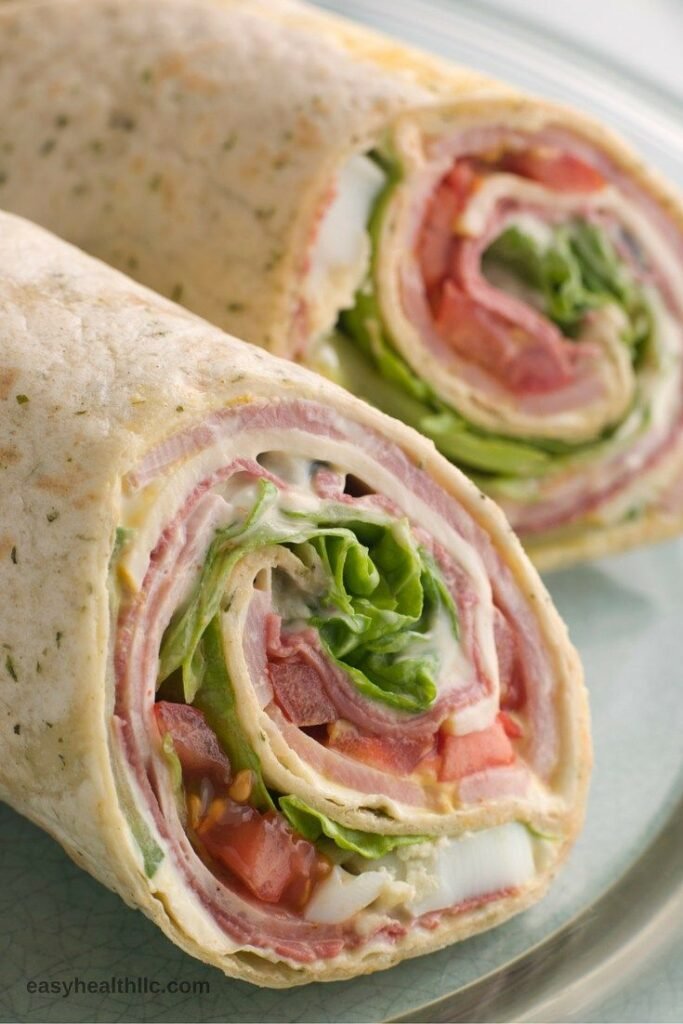
Turkey roll-ups are a practical choice when you want a quick meal that feels satisfying without relying on bread or tortillas. By wrapping crisp vegetables and a flavorful filling in slices of turkey, you can assemble lunch or a snack in minutes, with little cooking and minimal cleanup. Their compact shape also makes them easy to pack for work, school, or travel, provided they are kept chilled as needed. For a light dinner, serve several roll-ups with a simple salad or a cup of soup to create a more complete plate. They are especially useful for meal prep because fillings can be varied across the week.
Using sliced turkey instead of bread as the wrapper can keep the carbohydrate count lower than many sandwich-style options, while turkey contributes protein that helps make a small meal more substantial. The exact amount of protein and carbohydrates varies by brand, cut, and serving size, so a roll-up is not automatically low in every version. Choose a portion that suits your appetite and nutrition needs, and consider the other foods served alongside it. A few slices can work as a between-meal bite, while a larger portion with vegetables and an additional protein-rich filling may be more appropriate for lunch.
Vegetables such as cucumber, bell pepper, leafy greens, and shredded carrots add color, crunch, freshness, and fiber. Spreads can bring variety, too: try mustard, a small amount of cream cheese, hummus, or a yogurt-based sauce. Keep in mind that ingredients affect the overall nutrition. Deli turkey, sauces, and condiments can contain unexpected carbohydrates, added sugars, or sodium, and amounts can vary between products. If you track carbohydrates, check package labels and measure spreads and fillings rather than relying on estimates. Serving sizes matter as well; several roll-ups can add up to more than one planned portion. With thoughtful ingredient choices, these flexible wraps can be tailored to different tastes and meal plans while remaining straightforward to prepare.
A basic batch of low-carb turkey roll-ups needs only a few fresh ingredients. Choose large, thin slices of turkey that are flexible enough to wrap around the fillings without tearing. Deli turkey is convenient, while freshly sliced cooked turkey can also work if the pieces are wide and pliable. For each slice, add a modest amount of spread, such as cream cheese, mashed avocado, or hummus. A thin layer adds flavor and helps hold the filling in place without making the roll-up difficult to close.
For crunch and freshness, use crisp vegetables such as spinach, cucumber sticks, bell pepper strips, or lettuce. Pat wet ingredients dry before assembling to help prevent soggy roll-ups. Optional additions can tailor the flavor: a small piece of cheese, a little mustard, chopped fresh herbs, or a few finely cut pickled vegetables can provide extra richness or tang. Keep fillings in narrow strips and avoid overfilling, so each turkey slice can roll neatly and stay together when served.
Substitutions make the recipe easy to adapt. For a dairy-free version, use mashed avocado or hummus instead of cream cheese, and omit cheese or choose a suitable plant-based alternative. To reduce sodium, compare package labels and select lower-sodium turkey; use fresh vegetables and herbs for flavor, and limit salty cheese, mustard, and pickles. For a different flavor profile, combine avocado with herbs, pair cream cheese with cucumber, or add mustard alongside bell pepper. Hummus offers a savory option, though its carbohydrate content can vary, so check the label if that matters to your meal plan.
No special equipment is necessary. A clean cutting board and a sharp knife are usually enough to prepare the vegetables and assemble the roll-ups. A small spatula or butter knife can make spreading easier, but it is optional. With flexible turkey slices, a light layer of spread, and a few crisp fillings, the ingredients can be adjusted to suit different tastes while keeping preparation simple.
Before assembling the roll-ups, prepare the fillings so they are ready to use. Wash vegetables, slice them into narrow strips, and pat them thoroughly dry with a clean paper towel. Excess moisture can make the turkey slippery and cause the rolls to loosen. Keep ingredients in modest portions; thin, evenly sized pieces are easier to roll than bulky chunks. If using a soft spread, stir it until smooth so it can be spread without pulling or tearing the deli meat.
Lay one turkey slice flat on a clean cutting board or plate. If it is folded or stuck to another slice, separate it gently rather than tugging. Use the back of a spoon or a small spatula to spread a thin, even layer of your chosen spread across the surface, leaving a narrow border around the edges. A light coating adds flavor and helps hold the filling in place, while too much spread can squeeze out as you roll.
Arrange a modest line of fillings near one edge of the slice, keeping the pieces within the turkey’s borders. Avoid piling ingredients high: a small amount of each filling is usually enough for a snug roll. Begin at the edge nearest the filling and roll the turkey firmly but gently over it. If the slice is wide, fold its sides inward first to contain the ingredients. Continue rolling until the seam rests underneath, taking care not to compress the roll so much that the filling escapes.
Secure each roll with a toothpick, or place it seam-side down on the serving plate so its own weight helps keep it closed. For larger rolls, use a sharp knife to cut them into bite-sized pieces, wiping the blade between cuts for neater edges. If a slice starts to tear, use a smaller amount of filling or overlap a second slice over the weak spot. Assemble on clean surfaces, wash hands and utensils after handling, and refrigerate deli meat and finished roll-ups promptly. Keep them chilled until serving, and avoid leaving them at room temperature for extended periods.
Serve turkey roll-ups soon after assembling for the best texture, with low-carbohydrate sides that complement their savory filling. A green salad, sliced raw vegetables, or a simple dip such as herbed Greek yogurt or a mayonnaise-based dip can make the meal more substantial. Choose sides according to your preferences and nutrition goals, since carbohydrate amounts vary by ingredients and serving size. You can make smaller roll-ups for a light snack or serve several as a meal; adjust portions to appetite rather than assuming one portion suits everyone.
Use the basic recipe as a starting point and vary the fillings to suit your taste. For a fresh, creamy combination, add avocado with cucumber and black pepper. Cream cheese pairs well with spinach and chopped herbs, while mustard, cheese, and crunchy pickles provide a tangier option. Other additions, such as tomato, roasted peppers, or different spreads, can also work, but their carbohydrate content is not identical. Check labels on deli turkey, cheese, sauces, and packaged condiments, as ingredients and nutrition information can differ among brands.
Assembled roll-ups are generally best eaten fresh, when the turkey remains firm and the fillings retain their texture. If you need to prepare them ahead, arrange them in a covered container and refrigerate promptly. For better results, keep moist ingredients—such as sliced tomato, cucumber, or a loose dip—separate until serving, then add them shortly before eating. This helps limit excess moisture that can soften the turkey or make the filling slippery. Follow the storage guidance on packaged ingredients, and avoid leaving prepared food at room temperature for extended periods.
For a more useful nutrition estimate, calculate values from the actual quantities and products used, including any sides or dips. Consider checking portion sizes as well as total carbohydrates, protein, and calories, particularly if you are following a specific eating plan. Small ingredient substitutions can change the overall profile, so estimates from another version of the recipe may not match your plate.