
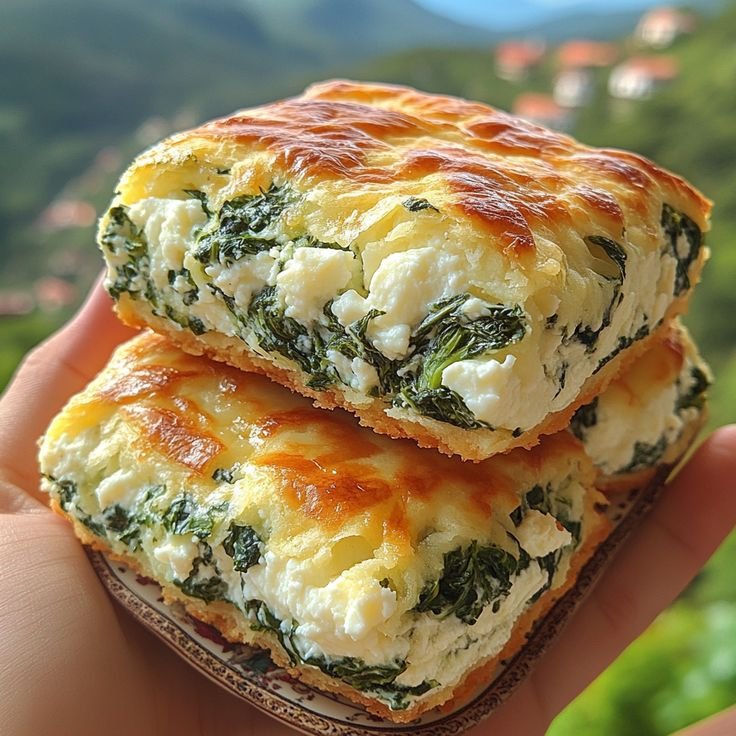
These savory spanakopita cookies reimagine familiar Greek-inspired flavors in a compact, easy-to-serve form. Tender spinach, tangy feta, and aromatic herbs bring the character of a beloved savory pie to small, hand-held bites. Instead of layering filling inside sheets of pastry, the ingredients are brought together in a cookie-sized shape that is simple to portion and share. The result is playful without losing the savory, herbaceous qualities that make the flavor combination so appealing.
Despite the name, these are not sweet cookies or dessert biscuits. They are savory bites, designed around a rich, salty filling and a crisp, pastry-like exterior. A well-balanced texture is central to their appeal: the edges can turn golden and crisp, while the inside remains tender and full of spinach and feta. Herbs add fragrance and freshness, helping to balance the cheese’s briny richness. Each bite offers a contrast between delicate crunch and soft, flavorful center.
Their small size makes these cookies versatile at the table. Serve them warm as an appetizer, offer them as a satisfying afternoon snack, or arrange them alongside olives, dips, vegetables, and other dishes on a mezze spread. They are easy to pick up and enjoy without utensils, making them suitable for casual gatherings as well as a more considered shared meal. The recipe takes inspiration from Greek ingredients and the flavor profile of spanakopita, but it is an adaptation rather than a traditional version of the pastry. That distinction leaves room for a fresh format while keeping the spinach, feta, and herbs at the heart of every bite.
Choose fresh spinach or thawed frozen spinach for its mild, vegetal flavor, but remove as much moisture as possible before adding it to the dough. Cook fresh leaves until wilted, then cool and squeeze them firmly in a clean towel; thawed spinach should be squeezed just as thoroughly. Excess water can make the mixture sticky and prevent the cookies from crisping. Chop the drained spinach finely so it distributes evenly. Crumble feta into small pieces rather than mashing it: distinct crumbles provide pockets of salty, tangy flavor and help keep the dough from becoming pasty.
All-purpose flour provides structure, while softened butter contributes richness and a crisp, tender bite. A suitable neutral fat can replace some or all of the butter, although the flavor will be less buttery and the texture may change. Add a beaten egg if the ingredients need help binding; use only enough for a cohesive dough, since too much liquid can make it soft. Measure the flour and fat carefully, and avoid adding extra flour by eye. The dough should hold together when pressed without feeling wet or requiring extensive kneading, which can develop gluten and make the baked cookies tough.
For Greek-inspired seasoning, combine finely chopped dill and parsley with sliced scallions and freshly ground black pepper. A small pinch of nutmeg or a little finely grated lemon zest can add warmth or brightness, but keep either restrained so it does not overwhelm the spinach and feta. Taste the mixture before adding salt, since feta can already be quite salty. Sesame seeds make an optional topping, adding a toasted aroma and slight crunch; press them gently onto the shaped dough. For substitutions, try another crumbly brined cheese or a mild leafy green, keeping in mind that different cheeses vary in salt and moisture, while greens may need extra draining.
Begin by cooking the spinach until wilted, then drain it thoroughly and squeeze out as much liquid as possible. Excess moisture can make the dough sticky and prevent the cookies from crisping. Chop the spinach finely and let it cool completely before mixing. In a large bowl, combine the flour with the salt, pepper, and any other seasonings specified in the recipe. Add the cold butter or other fat, working it into the dry ingredients with your fingertips or a pastry cutter until the mixture resembles coarse crumbs. Avoid warming the fat with your hands; keeping it cool helps create a tender, crisp texture.
Fold in the crumbled feta and cooled spinach, distributing both evenly. Add the egg or other binder and mix just until the ingredients come together in a cohesive dough. Take care not to overwork it, since excessive mixing can make the finished cookies tough. If the mixture seems overly wet or sticky, incorporate flour a tablespoon at a time until it is manageable, without adding so much that the dough becomes dry. If it still feels soft, cover and chill it for about 20 to 30 minutes, or until it is firm enough to portion and shape.
Divide the dough into even portions so the cookies bake at the same rate. Shape each piece into a small round or flatten it into a disk, then arrange the portions on a parchment-lined baking sheet with space between them. Bake at moderate heat, following the recipe’s suggested time as a guide. Look for edges that are golden and crisp and centers that appear set; the cookies should not look wet or doughy. If the edges brown too quickly while the centers remain soft, lower the oven temperature slightly. Let the cookies firm on the baking sheet for several minutes before transferring them to a rack, as they may be delicate while hot.
Serve the spanakopita cookies warm from the oven or at room temperature, when their flaky edges and savory filling remain appealing. A squeeze of lemon brightens the spinach and feta, while lemon wedges let guests adjust the acidity to taste. Offer them with cool tzatziki or a simple yogurt dip seasoned with lemon, garlic, and dill. For a fuller spread, arrange the cookies beside olives, sliced cucumbers, tomatoes, and other mezze. Their crisp pastry pairs well with fresh, briny accompaniments, making them suitable for a snack table, casual lunch, or appetizer platter. For a gathering, serve extra dip on the side.
Let leftover cookies cool completely before storing them in an airtight container. Keeping them sealed helps protect the filling and prevents the pastry from drying out, though the crust may soften during storage. To bring back some crispness, arrange the cookies on a baking sheet and warm them briefly in a preheated oven until heated through and crisp at the edges. Avoid reheating them in the microwave, which can make the pastry soft or chewy. For advance preparation, make the dough ahead and refrigerate it, or shape the portions and freeze them on a tray before transferring them to a covered freezer-safe container. Bake chilled or frozen portions until fully cooked and golden, allowing extra time as needed.
These cookies are easy to adapt while keeping their Greek-inspired character. Try fresh dill, parsley, mint, or a combination of herbs to shift the flavor, adding delicate herbs sparingly so they do not overwhelm the spinach and feta. A small amount of finely grated hard cheese, such as Parmesan, can add savory depth and help the filling taste more rounded. For gentle heat, mix in a pinch of mild chili flakes or finely minced mild pepper. Taste the filling before adding salt, and season cautiously: feta varies considerably in saltiness, and some varieties provide plenty on their own. Adjust other ingredients to suit your preferences, keeping the filling moist but not wet so the pastry stays crisp.