
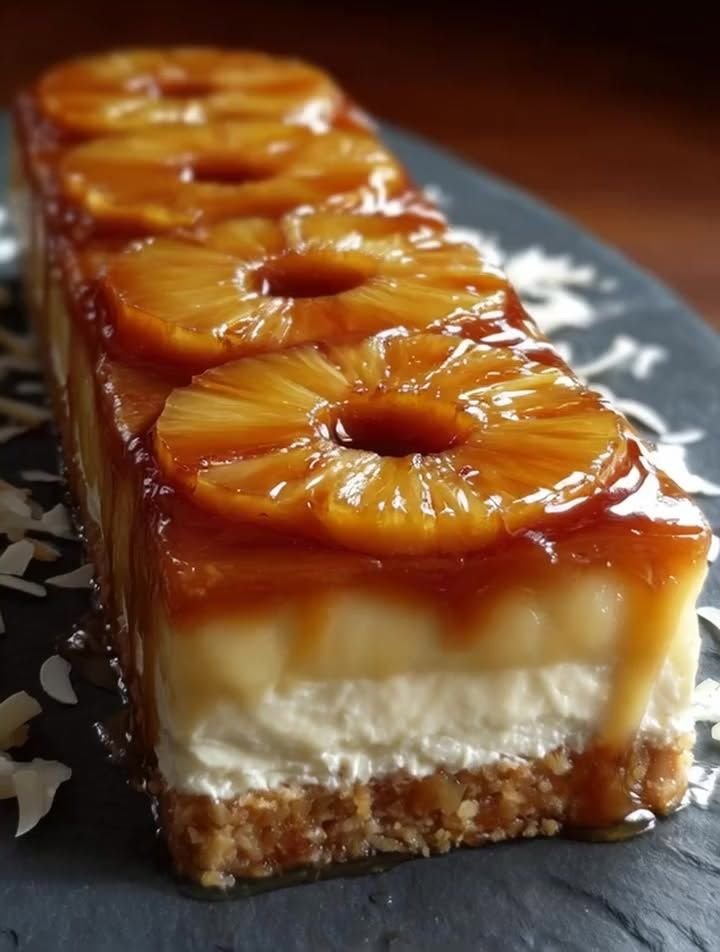
A good pineapple cake brings together two qualities that make each bite especially inviting: a soft, tender crumb and the bright, sweet-tart taste of fruit. Pineapple adds more than a sunny flavor. Crushed pieces distribute throughout the batter, giving the finished cake little bursts of juiciness and a gentle fruitiness that balances its sweetness. The result is moist without feeling heavy, with a flavor that is lively rather than overly rich. Because the fruit is mixed into the cake itself, its character comes through in every slice, not just in a topping or filling.
Crushed pineapple also contributes liquid, so the amount of juice in the batter matters. Too much can make the mixture looser than intended and affect how the cake bakes; too little may reduce some of its moisture and fruit flavor. For that reason, prepare and measure the pineapple as directed in the recipe, including any instructions about draining or retaining its juice. This small step helps keep the batter at the right consistency and supports an even bake. The batter should come together smoothly without requiring complicated techniques or specialized equipment.
The ingredients are familiar baking staples: flour provides structure, sugar sweetens and helps create a tender texture, eggs bind the mixture, and fat adds richness. Leavening gives the cake lift, while pineapple supplies its distinctive flavor and moisture. Straightforward mixing brings these components together, making the recipe approachable for home bakers, including those trying a fruit cake from scratch for the first time. Expect a soft, pleasantly moist interior, a delicate crumb, and a balanced sweet-tart taste. Serve it as an everyday dessert, bring it to a potluck, or make it for a birthday, family gathering, or warm-weather celebration. Its fresh fruit flavor feels special while remaining easy to enjoy.
Ingredients and their roles
For one tender pineapple cake baked in an 8-inch square pan, gather 1½ cups (190 g) all-purpose flour, 1 cup (200 g) granulated sugar, 1 teaspoon baking powder, ½ teaspoon baking soda, and ¼ teaspoon fine salt. Measure 1 cup (225 g) canned crushed pineapple, drained well; reserve the juice for another use. Use pineapple packed in juice, not syrup, and avoid finely chopped pieces, which distribute less evenly. You will also need 2 large eggs, brought to room temperature; ½ cup (120 ml) neutral vegetable oil; ½ cup (120 g) sour cream, at room temperature; and 1 teaspoon vanilla extract.
Flour gives the cake its structure, while eggs bind the batter and add richness. Oil keeps the crumb moist and tender; melted butter can replace it for a buttery flavor, though the texture may be slightly firmer. Sugar sweetens the cake and helps its surface brown. Baking powder and baking soda create lift, with the soda reacting with the sour cream to support an even rise. Salt balances the sweetness and brings the other flavors forward.
Equipment and preparation
Set out a mixing bowl, whisk, flexible spatula, measuring cups and spoons or a kitchen scale, and a toothpick for testing doneness. Grease an 8-inch square metal cake pan, then line its base with parchment paper for easier removal. Preheat the oven to 350°F (175°C) before mixing so the batter can go into a fully heated oven.
Bring the eggs and sour cream to room temperature, ideally by setting them out for about 30 minutes. Cold ingredients can make the batter mix unevenly. To measure flour without packing it down, fluff it in its container, spoon it gently into a dry measuring cup, and level the top with a straight edge; weighing it is more precise. Drain the pineapple thoroughly, pressing lightly to remove excess liquid without drying it out completely. Prepare the pan and measure every ingredient before combining them, which helps prevent overmixing while you work.
Begin by heating the oven to the temperature stated in your recipe, allowing it to reach that temperature before the cake goes in. Grease the specified pan thoroughly, including its corners, and line the base with parchment if the recipe recommends it. Set the pan aside while you prepare the batter. Measure ingredients carefully; accurate amounts help the cake bake evenly and stay tender.
In a medium bowl, whisk together the flour, baking powder or soda, salt, and any spices listed. Mixing these dry ingredients separately distributes the leavening evenly and helps prevent pockets of salt or baking soda. In a larger bowl, whisk the eggs, sugar, oil or melted butter, and other wet ingredients until smooth, following the order given in your recipe.
Add the pineapple as directed. If the recipe calls for crushed pineapple with its juice, include both; if it specifies drained pineapple, remove excess liquid before measuring. Stir the fruit into the wet mixture, or add it at the point specified in the recipe. Add the dry mixture in portions, folding with a spatula or mixing on low speed just until no dry streaks remain. Avoid beating the batter: excessive mixing can develop gluten and make the cake dense.
Scrape the batter into the prepared pan and gently spread it into an even layer, reaching the edges without pressing it down. Bake on the oven rack recommended by the recipe at its stated temperature. Begin checking near the lower end of the suggested baking time, since ovens and pan materials can affect how quickly the cake cooks. Insert a toothpick into the center; it should emerge clean or with a few moist crumbs, not wet batter. The center should also spring back gently when touched.
If the cake needs more time, continue baking in short intervals and check again. Once done, place the pan on a rack and let the cake cool as directed. Allow it to cool sufficiently before removing it from the pan, if needed, or spreading on a topping; handling it while warm may cause it to break or make the topping melt.
Once the pineapple cake has cooled, it is ready to serve as it is or with a simple finishing touch. A light dusting of powdered sugar adds sweetness without covering the fruit’s flavor. For a richer topping, spread cream cheese frosting over the cake only after it is fully cool; frosting a warm cake can cause the topping to soften and slide. Lightly sweetened whipped cream is another option, especially when serving individual slices.
Small additions can give the cake a different character while keeping pineapple at the center. Fold in a modest amount of shredded coconut or chopped nuts, such as pecans or walnuts, for added texture. A little finely grated lime or orange zest can bring a fresh citrus note. Keep additions measured: too much extra fruit or other moist ingredients can alter the batter’s moisture balance and affect how evenly the cake bakes.
If the cake turns out dense, the batter may have been overmixed, or the flour may have been measured inaccurately. Stir only until the ingredients are combined, and use a scale or spoon flour lightly into a measuring cup before leveling it. A soggy center can point to excess liquid from the pineapple or insufficient baking time. Drain the pineapple as directed and check the center with a toothpick; if it comes out with wet batter, continue baking and check again after a few minutes. A dry cake, by contrast, may have stayed in the oven too long, so begin checking for doneness near the recipe’s suggested baking time.
Store unfrosted cake covered at room temperature for a short period, or refrigerate it for longer storage. Cakes topped with cream cheese frosting or another perishable topping should be covered and kept refrigerated. To freeze, wrap cooled, unfrosted portions tightly and place them in a freezer-safe container; thaw in the refrigerator or at room temperature. For the softest texture and fuller flavor, let refrigerated slices sit out briefly before serving.