
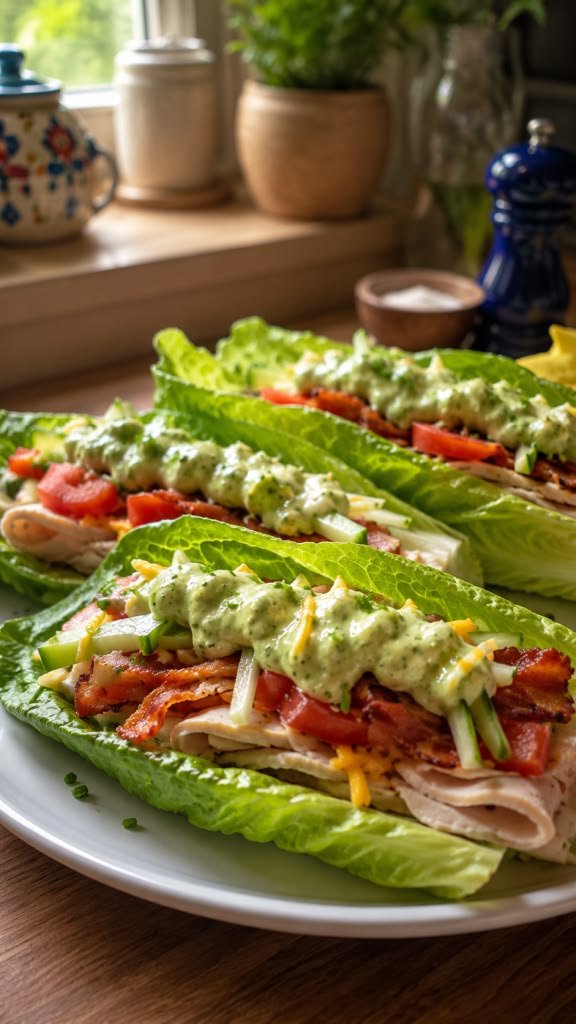
When temperatures rise, meal planning works best when it accounts for both the weather and the time available to cook. Choose ripe summer produce that needs little preparation, and favor recipes with brief cooking times or no stove use at all. Salads, grain bowls, chilled soups, wraps, and composed plates can be served cool or at room temperature, making them practical for warm afternoons and evenings.
Let seasonal ingredients guide the flavors. Juicy tomatoes and crisp cucumbers bring freshness to salads and sandwiches, while ribbons of zucchini can be served raw or quickly grilled. Sweet corn adds substance to bowls and salsas, and berries or peaches can brighten a side salad or become a simple dessert. Fresh herbs such as basil, mint, parsley, and cilantro add fragrance and lift without requiring elaborate sauces. A few complementary ingredients are often enough: pair tomatoes with basil and beans, or peaches with greens, herbs, and a tangy dressing.
To make weekday meals easier, prepare a small set of flexible components in advance. Wash and dry greens, cook a batch of grains, chop sturdy vegetables, and mix a dressing that can work across several dishes. Store each component separately so it stays fresh, then combine them in different ways through the week. Grains and vegetables can become a lunch bowl one day and a side dish the next; herbs and dressing can change the overall flavor with minimal effort.
Refreshing meals should still be satisfying. Add protein and healthy fats to help turn produce into a balanced meal: try beans, hard-boiled eggs, fish, or cooked chicken, alongside yogurt, nuts, seeds, or avocado. For example, cucumbers and tomatoes with chickpeas, herbs, and yogurt make a filling no-cook plate, while corn, greens, and grilled fish create a heartier dinner. Keeping these options on hand makes it easier to assemble meals that feel light, nourishing, and suited to hot weather.
On hot days, reducing the heat generated indoors can make meal preparation more comfortable without relying on convenience foods. Build meals around no-cook ingredients such as ripe tomatoes, cucumbers, leafy greens, canned beans, yogurt, tinned fish, nuts, and cooked grains. Combine them into salads, wraps, chilled soups, or grain bowls, and use citrus, herbs, and dressings for flavor. When cooking is necessary, keep stovetop sessions short: choose quick-cooking foods, cover pans to retain heat, and prepare components together. A microwave can heat vegetables, grains, or leftovers efficiently, often with less heat escaping into the room than prolonged oven use.
For foods suited to outdoor cooking, grilling can move heat and cooking odors outside; keep the grill a safe distance from buildings and supervise it throughout use. Another useful strategy is to cook once when the day is cooler, either early in the morning or later in the evening. Prepare a larger amount of grains, beans, hard-cooked eggs, or grilled vegetables, then divide it into shallow containers so it cools quickly. Refrigerate promptly rather than leaving cooked food on the counter, and use the ingredients in salads, sandwiches, bowls, or quick reheated meals over the next few days. Label containers with dates and avoid making more than can be safely stored and eaten.
Warm weather calls for extra care with food safety, particularly when meals travel outdoors. Use a clean food thermometer to check that cooked foods reach safe internal temperatures and that chilled dishes remain cold. Keep raw ingredients separate from ready-to-eat foods, wash hands and utensils, and return perishables to a refrigerator or cooler quickly. When serving outside, place cold food over ice and keep hot food hot; avoid leaving perishable dishes at room temperature for extended periods. Pack a cooler with plenty of ice packs and limit opening.
A satisfying no-cook meal is easier to assemble when you think in components rather than follow a fixed recipe. Start with colorful vegetables or fruit, add a substantial base, include protein, then finish with contrasting texture and a lively dressing or sauce. The base might be cooked grains prepared ahead and chilled, crusty bread, tortillas, leafy greens, or crisp crackers. Beans, canned fish, sliced chicken, tofu, cheese, eggs, and hummus can provide staying power without requiring last-minute cooking. This simple framework works for salads, grain bowls, chilled soups, wraps, sandwiches, and snack-style platters.
Use combinations that balance freshness, richness, and acidity. Pair ripe tomatoes with white beans, olive oil, and torn herbs, or layer cucumbers with yogurt, lemon, and dill beside pita and chickpeas. Corn, avocado, and lime make a flavorful bowl topping, especially with black beans and crunchy cabbage. For a wrap, combine greens, roasted peppers from a jar, protein, and a tangy spread; for a platter, arrange vegetables, fruit, cheese, dips, and bread so everyone can build a bite. Treat these pairings as starting points, adapting them to seasonal produce and whatever is already in the refrigerator.
Cold ingredients can taste muted, so season thoughtfully. Taste each component before serving, adding salt, pepper, citrus juice, vinegar, or a little mustard where needed. Fresh herbs bring aroma, while pickled onions, olives, capers, or other briny vegetables add sharpness. Include crisp elements such as toasted nuts, seeds, croutons, radishes, or crushed chips to keep soft grains, beans, and ripe produce from feeling one-dimensional. A bright dressing, salsa, herbed yogurt, or tahini sauce ties everything together; keep it separate until shortly before serving to preserve crisp textures. If a dish tastes flat, a squeeze of lemon or a pinch of salt may be all it needs. These small contrasts make a chilled meal feel complete, refreshing, and deliberately composed, even on the hottest days.
Warm weather calls for meals that are refreshing and easy to serve, but safe storage matters as much as flavor. Keep perishable foods, including cooked grains, dairy-based sauces, cut fruit, and prepared salads, refrigerated at 40°F (4°C) or colder until serving. Set out small portions and replenish them from the refrigerator rather than leaving a large platter in the heat. As a general rule, discard perishables that have been at room temperature for more than two hours, or one hour when temperatures exceed 90°F (32°C). Keep hot dishes hot and cold dishes cold, and use a food thermometer when you need to check temperatures.
For picnics, road trips, and outdoor lunches, pack food in a well-insulated cooler or bag with plenty of frozen ice packs. Chill the food before packing, place the cooler in the shade, and keep it closed as much as possible. Use separate containers for raw ingredients and ready-to-eat foods, and keep raw meat securely wrapped so juices cannot leak onto produce, bread, or cooked items. Bring clean utensils for serving, and avoid reusing plates or tools that have touched raw food.
Build a satisfying summer plate with water-rich produce such as cucumber, tomatoes, leafy greens, melon, berries, and citrus. Whole fruit and lightly dressed vegetables can add freshness and fluids, while beans, eggs, fish, poultry, whole grains, nuts, or cheese contribute protein and energy. Pair these components rather than relying on produce alone, especially when a meal needs to sustain you through an active day. Keep water readily available, and consider unsweetened drinks alongside meals.
A sustainable routine starts with a few dependable pantry staples, such as canned beans, whole-grain pasta, rice, nuts, and shelf-stable dressings. Prepare only the amount you can chill promptly and store safely. Refrigerate leftovers in shallow containers, label them if useful, and use them promptly according to food-safety guidance. Turn suitable leftovers into wraps, grain bowls, or quick lunches, keeping chilled ingredients cold until you are ready to eat. These simple habits make warm-weather meals practical, nourishing, and enjoyable.