
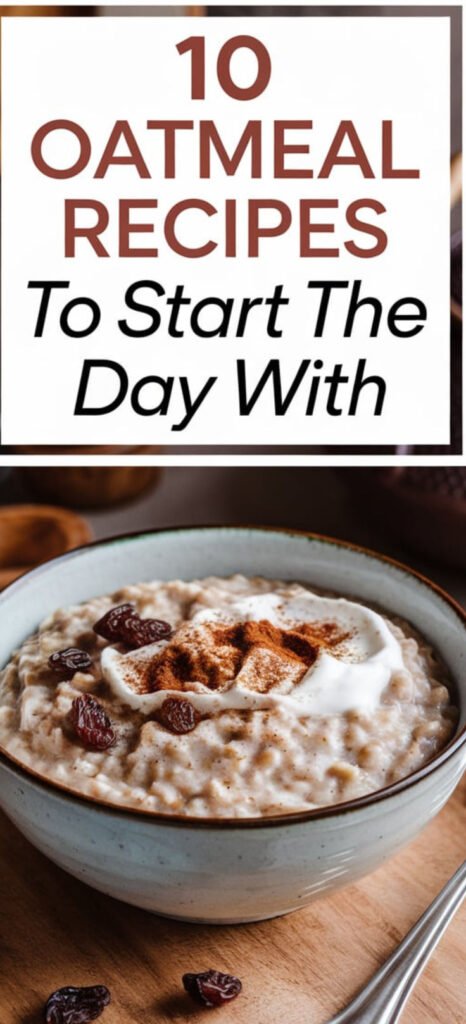
Oatmeal is a comforting, adaptable meal that can suit breakfast or a snack. A warm bowl starts with a simple base, then takes on different flavors and textures with fruit, vegetables, nuts, seeds, dairy, or plant-based additions. Choose plain oats and unsweetened liquid so you can control the sweetness and build a bowl that fits your preferences.
For stovetop oatmeal, combine rolled oats with water or milk in a saucepan and simmer, stirring occasionally, until tender, usually about five minutes. In the microwave, place oats and liquid in a generously sized microwave-safe bowl, then cook for two to three minutes, pausing to stir if needed. A common starting point is one part oats to two parts liquid. Use slightly less liquid for a thicker result or add more for a softer, creamier consistency. Cooking time and absorption vary, so adjust as the oats cook.
Rolled oats cook quickly and produce a soft, pleasantly chewy texture, making them a versatile everyday choice. Quick oats are thinner and cook in just a few minutes, resulting in a smoother, softer bowl. Steel-cut oats are chopped oat groats; they retain a firmer, chewier texture but typically need 20 to 30 minutes on the stovetop. Check package directions, since brands and cut sizes can differ.
For a balanced bowl, combine oats with a protein-rich addition, such as Greek yogurt, milk, nut butter, tofu, or seeds. Add fruit or vegetables for freshness and fiber, then include a source of healthy fat, such as chopped nuts, chia seeds, or tahini. Cinnamon, citrus zest, herbs, or a small amount of honey can provide extra flavor. A typical serving begins with about half a cup of dry rolled oats, though appetite and needs vary. Cook several portions ahead and refrigerate them for convenient meals; loosen reheated oats with a splash of liquid. When choosing flavored packets or toppings, read labels for added sugar and compare serving sizes.
Ripe fruit brings natural sweetness to oatmeal, while cinnamon and other warming spices add depth without requiring much added sugar. A small handful of raisins or another dried fruit can make a bowl taste sweeter, too. Adjust the toppings to suit your preferences and the fruit available; fresh and frozen options both work well.
Banana-Walnut Oatmeal
Stir rolled oats into simmering milk or water with a pinch of cinnamon and salt. Add half a ripe, sliced banana during the last few minutes of cooking so it softens and blends into the oats. Spoon into a bowl and top with the remaining banana and chopped walnuts. The walnuts provide a satisfying crunch, while extra cinnamon adds aroma.
Apple-Pie Oats
Combine oats, milk or water, diced apple, a small handful of raisins, cinnamon, and a pinch of nutmeg in a saucepan. Simmer until the oats are creamy and the apple is tender, stirring occasionally. The raisins plump as they cook, distributing sweetness throughout the bowl. Finish with more diced apple or a few extra raisins for contrasting texture.
Berry-Almond Oatmeal
Cook oats with milk or water until nearly soft, then fold in fresh or frozen berries for the final few minutes. Frozen berries may need slightly longer to warm through. Blueberries, raspberries, and sliced strawberries all work well. Top with sliced almonds for crunch and, if desired, a few fresh berries for a brighter finish.
Tropical Oats
Prepare oats with your preferred cooking liquid, then stir in diced mango near the end so it warms without losing all its texture. Spoon into a bowl and add more mango, unsweetened shredded coconut, and optional chia seeds. Coconut brings a rich, fragrant finish, while chia seeds add texture. Taste before adding sweetener; ripe mango may provide enough sweetness on its own.
For a more substantial breakfast, build oatmeal around ingredients that provide protein and healthy fats alongside its whole-grain carbohydrates. These nutrients can help a meal feel more satisfying and provide variety in flavor and texture. Cook the oats first with water or milk, then add ingredients according to how they hold up to heat: items that benefit from softening can cook with the oats, while fresh or delicate toppings are usually better added at the end.
For peanut-butter banana oats, simmer rolled oats in milk or water until creamy, stirring occasionally. Mix in a spoonful of peanut butter near the end so it melts through the porridge, then top with sliced banana. Hemp hearts or chia seeds add extra texture and healthy fats; stir chia in during the final minutes if you want it to thicken the oats, or sprinkle either seed on afterward. Almond, cashew, or sunflower-seed butter can replace peanut butter, with the latter offering a nut-free option.
Greek-yogurt and berry oatmeal combines creamy oats with tangy fruit and a protein-rich topping. Cook oats with water or milk, then let them cool briefly before stirring in Greek yogurt. Alternatively, spoon the yogurt onto the finished bowl to preserve a distinct cool, creamy layer. Add fresh or thawed berries and, if desired, a few chopped nuts or seeds. Plant-based yogurt is a suitable swap; choose a protein-rich variety where available, since protein levels vary among products.
For a savory bowl, cook oats in water or broth with a pinch of salt, adding chopped spinach during the last minute or two so it wilts. Transfer the oats to a bowl and finish with a softly cooked egg and black pepper. The egg contributes protein and richness, while spinach brings color and freshness. For a plant-based alternative, top the oats with seasoned tofu, pan-seared or crumbled. Keep eggs, tofu, yogurt, fruit, and most crunchy seeds as finishing additions; stir-in ingredients during cooking when they need time to soften or blend smoothly.
Savory oatmeal makes a flexible base for vegetables, herbs, and protein. Cook rolled oats in water or low-sodium vegetable broth according to package directions, stirring until creamy. Season with black pepper, garlic, paprika, or dried herbs, then taste before adding salt. To prevent watery oats, sauté vegetables first and fold them in near the end; drain canned ingredients well, and add juicy toppings just before serving. For tomato, spinach, and Parmesan oats, stir chopped tomatoes and wilted spinach into the pot, then finish with a modest sprinkle of Parmesan. Cook the tomatoes briefly to release flavor without thinning the bowl.
For mushroom-and-herb oatmeal, brown sliced mushrooms in a little olive oil until their moisture evaporates and the edges turn golden. Fold them into cooked oats with thyme or parsley, and add lemon zest for brightness. Black pepper deepens the savory flavor; nutritional yeast can provide a cheesy note without dairy. For black-bean, avocado, and salsa oats, season broth-cooked oats with cumin and chili powder. Top each portion with rinsed, drained black beans, diced avocado, and thick salsa. Keep salsa separate until serving, especially when preparing portions ahead.
To prepare ahead, cook oats slightly thicker than usual, cool promptly, and refrigerate individual portions in covered containers for up to four days. Reheat on the stovetop or in the microwave with a splash of water or broth, stirring and adding liquid until creamy. Store vegetables and toppings separately to preserve texture, and add avocado after reheating. Adapt bowls to suit dietary needs: choose certified gluten-free oats, use plant-based broth and omit cheese for dairy-free meals, or add beans or an egg for protein. Balance salt with low-sodium broth and rinsed canned beans; limit Parmesan and rich oils to moderate saturated fat. Rotate herbs, citrus, pepper, and spices for variety without relying on extra salt.