
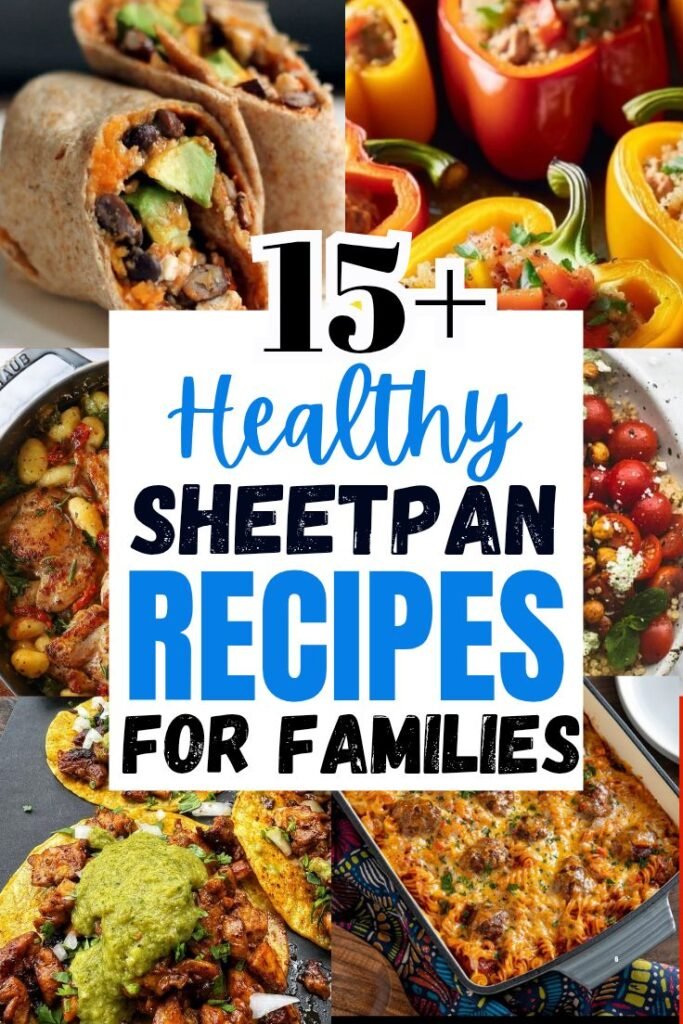
Introduction to Sheet-Pan Dinners
In today’s fast-paced world, the concept of sheet-pan dinners has gained significant traction among culinary enthusiasts and busy individuals alike. These meals are designed to be prepared on a single baking sheet, allowing for an effortless cooking process that caters perfectly to the demands of hectic evenings. The growing popularity of sheet-pan dinners stems from their convenience, simplicity, and the ability to pack a variety of nutritious ingredients into one dish.
Sheet-pan dinners are not only time-saving but also encourage healthy cooking habits. By bringing together various food groups on one tray, these meals facilitate the inclusion of vegetables, grains, and proteins, promoting a balanced diet. For instance, one can easily roast chicken thighs alongside a medley of seasonal vegetables such as carrots, bell peppers, and zucchini. This method allows for creative combinations, ensuring that each meal is filled with both flavor and essential nutrients. Furthermore, the baking process locks in the natural flavors of the ingredients while minimizing the need for excessive fats or oils, making it a healthier option.
The versatility of sheet-pan dinners extends beyond just meats and vegetables. These meals can also include grains like quinoa or rice and even baked pasta dishes. For those who prefer vegetarian or vegan options, combinations of legumes, seasonal produce, and flavor-packed sauces can create delicious, satisfying meals. The sheer simplicity of throwing everything onto a sheet pan and letting the oven do the work has made this cooking method especially appealing for families and individuals juggling busy schedules.
Benefits of Cooking with a Sheet Pan
The use of a sheet pan for dinner preparation offers several notable advantages that contribute to efficient cooking, particularly useful for busy individuals and families. One of the primary benefits is time efficiency. Sheet pans can accommodate a variety of ingredients simultaneously, allowing for the preparation of a complete meal in one go. This method drastically reduces the time spent moving between multiple pots and pans, enabling cooks to focus on other tasks while dinner cooks.
In addition to saving time, cooking with a sheet pan significantly minimizes clean-up afterward. Unlike traditional cooking methods that often require multiple utensils and cookware, a sheet pan allows for all ingredients to be roasted together. Cleaning a single pan is less labor-intensive than handling numerous dishes, making weeknight dinners considerably less daunting.
The versatility of sheet pans also deserves mention. These pans can handle anything from roasted vegetables and proteins to baked goods and desserts. This adaptability means that meal preparation can be both simple and creative, accommodating various dietary preferences and tastes with ease. Moreover, the ability to cook different ingredients alongside each other means flavors can meld beautifully, enhancing the overall taste of the dish.
Another advantage is maintaining the nutritional value of ingredients. When using a sheet pan, cooking methods such as roasting or baking help preserve nutrients that might be lost in boiling or frying processes. Additionally, the high heat of the oven can create caramelization and browning, which adds deep flavors without the need for excessive fats or sauces.
In sum, the benefits of cooking with a sheet pan are manifold. From increasing efficiency during meal preparation to reducing the associated clean-up, sheet pans offer a practical solution for anyone looking to simplify their cooking routine while still enjoying flavorful and nutritious dinners.
15 Healthy Sheet-Pan Dinner Recipes
Sheet-pan dinners are an excellent solution for busy evenings, offering a way to prepare healthy and delicious meals with minimal effort. Below are fifteen unique sheet-pan dinner recipes featuring a variety of ingredients that cater to diverse dietary preferences.
1. Lemon Garlic Chicken and Asparagus
Prep and cook time: 30 minutes
This dish combines chicken breasts with fresh asparagus, marinated in lemon and garlic for a flavor-packed, nutrient-rich meal. The asparagus provides vitamins A, C, and K, while chicken is a great source of lean protein.
2. Mediterranean Veggie and Quinoa Bake
Prep and cook time: 40 minutes
Packed with bell peppers, zucchini, and olives, this vegetarian meal is high in fiber and antioxidants. Quinoa adds protein and is gluten-free.
3. Salmon with Broccoli and Sweet Potatoes
Prep and cook time: 35 minutes
Rich in omega-3 fatty acids, salmon paired with broccoli and sweet potatoes creates a balanced meal full of nutrients that support heart health.
4. Beef and Vegetable Stir-fry
Prep and cook time: 25 minutes
Using lean beef and a medley of colorful vegetables, this quick dinner is not only satisfying but also provides essential vitamins and minerals.
5. Chickpea and Spinach Bake
Prep and cook time: 30 minutes
Chickpeas serve as an excellent source of protein and fiber, while spinach is loaded with iron. This dish ensures a nutritious dinner option.
6. Honey Mustard Pork Chops with Brussels Sprouts
Prep and cook time: 35 minutes
The naturally sweet and tangy flavors of honey mustard enhance the taste of pork chops while Brussels sprouts add fiber and vitamins.
7. Shrimp and Cauliflower Rice
Prep and cook time: 20 minutes
This low-carb dish uses riced cauliflower as a base, topped with shrimp, which is rich in protein and an excellent source of iodine.
8. Tofu and Vegetable Stir-fry
Prep and cook time: 30 minutes
A fantastic plant-based option, tofu is rich in protein, while the variety of vegetables adds a spectrum of nutrients.
9. Italian Sausage and Peppers
Prep and cook time: 30 minutes
With Italian sausage, bell peppers, and onions, this dish offers a hearty dinner option, while providing a good source of vitamins.
10. Curried Chickpeas and Roasted Vegetables
Prep and cook time: 40 minutes
The spices in curry enhance flavor and metabolism, while chickpeas and roasted veggies deliver fiber and a mix of essential nutrients.
11. Cod with Tomatoes and Olives
Prep and cook time: 25 minutes
This Mediterranean-inspired recipe features cod as a lean protein source, with tomatoes providing antioxidants and olives adding healthy fats.
12. Chicken Fajitas
Prep and cook time: 30 minutes
Marinated chicken with bell peppers and onions can be served with whole-grain tortillas for a fiber-rich meal.
13. Roasted Vegetable Medley
Prep and cook time: 30 minutes
An assortment of vegetables, including carrots, zucchini, and bell peppers, tossed with olive oil, offers a colorful, nutritious side dish or main meal.
14. BBQ Pork and Corn on the Cob
Prep and cook time: 35 minutes
This dish features BBQ pork tenderloin served with sweet corn, which is a good source of carbohydrates and fiber.
15. Vegetable and Lentil Bake
Prep and cook time: 40 minutes
Lentils provide plant-based protein, and when baked with a variety of vegetables, it creates a wholesome, filling dinner option.
Tips for Perfect Sheet-Pan Dinners
To create the ideal sheet-pan dinner, careful attention to ingredient selection, seasoning, and cooking techniques is essential. Start by choosing fresh, high-quality ingredients, which can significantly enhance the flavor of your dish. Select a variety of vegetables, proteins, and grains that not only complement each other but also vary in cooking time. For example, dense vegetables like carrots or potatoes may require a longer roasting time compared to quicker-cooking options like bell peppers or petite peas.
Next, when it comes to seasoning, be adventurous but balanced. A good rule of thumb is to combine fresh herbs, spices, and acids to create an enticing flavor profile. For instance, pairing garlic, rosemary, and lemon juice can elevate roasted chicken and vegetables beautifully. Remember to season your protein and vegetables generously; underseasoning can be a common pitfall that undermines the overall enjoyment of the meal.
In addition to these foundational choices, understanding optimal cooking temperatures and times is key to achieving perfectly roasted results. Preheat your oven adequately, usually to around 400°F to 425°F is ideal for most sheet-pan meals. Arrange the ingredients on the pan, ensuring that they are not overcrowded, as this can lead to steaming instead of roasting, which may compromise texture. Before placing the pan into the oven, it often helps to toss the ingredients with oil and seasonings to ensure even distribution.
Lastly, do not hesitate to adapt your recipes based on seasonal produce or personal preferences. Exploring local farmers’ markets can inspire new ingredient combinations and add freshness to your meals. Experimentation not only keeps your sheet-pan dinners exciting but also ensures that they cater to your specific tastes and dietary needs.