
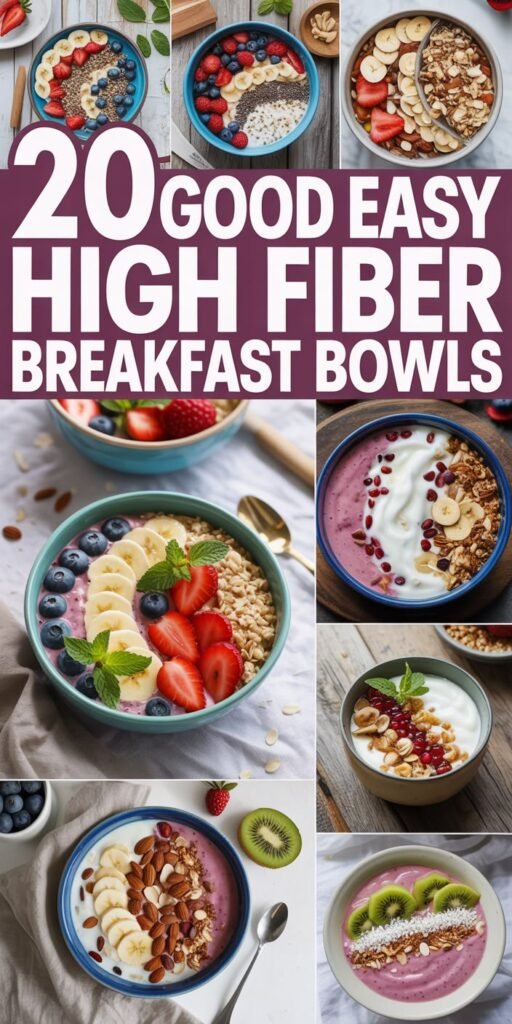
Understanding the Importance of Fiber in Your Diet
Dietary fiber, often referred to simply as fiber, is a crucial component of a healthy diet. It is derived from the parts of plant foods that are not fully digested by our bodies. Broadly categorized into two types, soluble and insoluble fiber, each type contributes uniquely to our overall health. Soluble fiber dissolves in water and can help to lower blood cholesterol levels while also stabilizing blood sugar levels. On the other hand, insoluble fiber adds bulk to stool and facilitates its passage through the digestive system, effectively promoting regularity.
One of the primary health benefits of fiber is its role in promoting optimal digestive health. A high-fiber diet can alleviate issues such as constipation and even help prevent digestive disorders. Moreover, fiber slows the absorption of sugar, which can be beneficial for those managing diabetes or seeking to regulate their blood sugar levels. Research has consistently shown that increased fiber intake can lead to lower incidences of various health conditions, including heart disease, diabetes, and certain types of cancer.
In addition to these benefits, dietary fiber is also a valuable ally in weight management. Foods high in fiber tend to be more filling, which can help regulate appetite and reduce overall calorie intake. The recommended daily intake of fiber for most adults is approximately 25 grams for women and 38 grams for men, though these numbers can vary based on individual needs. Smoothies provide an excellent and convenient avenue for incorporating fiber into the morning routine. By blending fruits, vegetables, seeds, and grains, one can easily achieve a significant portion of the daily fiber requirement, all while enjoying a delicious, nutritious start to the day.
Essential Ingredients for High-Fiber Smoothies
Creating high-fiber smoothies involves incorporating a variety of ingredients that not only enhance the flavor but also contribute significant nutritional value. One of the most popular choices for fiber is fruits, which are naturally abundant in dietary fiber. Berries such as raspberries, blackberries, and blueberries stand out due to their high fiber content and low calorie count. Incorporating even a handful of these can boost the fiber content of your smoothie considerably.
Vegetables also play a crucial role in crafting fiber-rich smoothies. Leafy greens like spinach and kale provide an excellent source of fiber while adding essential vitamins and minerals. Additionally, adding ingredients like carrots or avocados can enhance the fiber content while also thicken the texture of the smoothie, creating a satisfying blend.
Nuts and seeds are another significant category when it comes to increasing fiber. Chia seeds and flaxseeds are particularly noteworthy; just a tablespoon can add a substantial amount of fiber to your drink. Furthermore, these ingredients contribute healthy fats, which are beneficial for overall health. While almonds and walnuts can also elevate the fiber levels, blending them into your smoothie can provide both a creamy texture and a crunchy flavor profile.
Whole grains should not be overlooked when selecting ingredients for high-fiber smoothies. Oats are an excellent addition, providing both soluble and insoluble fiber, which can aid in digestive health while also making your smoothie more filling. Other grains like quinoa or barley, when cooked and blended, can serve a similar purpose.
By thoughtfully combining a variety of these ingredients, one can create delicious, high-fiber smoothies that not only energize your mornings but also substantially contribute to your daily nutritional intake.
20 Delicious High-Fiber Smoothie Recipes
Incorporating high-fiber smoothies into your morning routine can enhance your nutritional intake and provide you with sustained energy throughout the day. Below is a curated list of 20 unique high-fiber smoothie recipes, each designed to be both delicious and nutritious.
1. Green Spinach and Avocado Smoothie
Ingredients: 1 cup spinach, 1/2 avocado, 1 banana, 1 cup almond milk.
Nutritional Benefits: Packed with healthy fats and fiber, promotes heart health.
Preparation: Blend all ingredients until smooth.
2. Berry Blast Smoothie
Ingredients: 1/2 cup mixed berries, 1 cup spinach, 1 tbsp chia seeds, 1 cup water.
Nutritional Benefits: Rich in antioxidants and vitamin C, boosts the immune system.
Preparation: Combine ingredients in a blender and mix until well blended.
3. Tropical Mango and Coconut Smoothie
Ingredients: 1 cup mango, 1/2 cup coconut milk, 1/4 cup oats, 1 tbsp flaxseed.
Nutritional Benefits: High in fiber and healthy fats, promotes digestion.
Preparation: Blend all ingredients on high until smooth.
4. Peanut Butter Banana Smoothie
Ingredients: 1 banana, 2 tbsp peanut butter, 1 cup almond milk, 1 tbsp hemp seeds.
Nutritional Benefits: Provides protein and fiber, keeps you full longer.
Preparation: Mix ingredients until creamy in a blender.
5. Chocolate Almond Delight
Ingredients: 1 cup almond milk, 1 banana, 2 tbsp cocoa powder, 1/4 cup oats.
Nutritional Benefits: Contains iron and fiber, helps with energy levels.
Preparation: Blend until thoroughly mixed.
Continuing this delightful list, you may wish to try:
6. Pineapple and Kale Smoothie,
7. Strawberry Green Tea Smoothie,
8. Apple Cinnamon Smoothie,
9. Carrot Ginger Smoothie,
10. Sweet Potato and Cinnamon Smoothie,
11. Avocado Berry Smoothie,
12. Pear and Spinach Smoothie,
13. Kiwi Banana Smoothie,
14. Chocolate Cherry Smoothie,
15. Pumpkin Spice Smoothie,
16. Beetroot and Berry Smoothie,
17. Coconut Mango Smoothie,
18. Blueberry Almond Smoothie,
19. Orange Carrot Smoothie,
20. Raspberry Chia Smoothie.
Each recipe can be customized according to personal taste preferences, offering a variety of flavors and textures. These smoothies not only aim to provide a delightful start to your day but also contribute to your overall health by ensuring you consume essential nutrients and fiber.
Tips for Making the Perfect High-Fiber Smoothie
Creating a high-fiber smoothie that is both nutritious and enjoyable can be achieved with a few practical tips. Start by selecting a variety of fiber-rich ingredients. Fruits such as bananas, berries, and apples combine well with leafy greens like spinach or kale. Adding components like oats, chia seeds, or flaxseeds can significantly enhance the fiber content while contributing to a more satisfying texture.
When it comes to blending, the order of ingredients matters. Begin with liquids—such as almond milk, coconut water, or yogurt—before adding softer items like fruits. Finally, include fibrous vegetables and seeds. This approach ensures that everything blends smoothly, resulting in a creamy and well-integrated smoothie. Adjusting the blending time can also impact the consistency; blend longer for a finer texture if desired.
To customize the flavor and consistency of your high-fiber smoothie, experiment with different ingredient ratios. If you prefer a thicker texture, consider adding more bananas or a scoop of Greek yogurt, whereas increasing the liquid will yield a thinner smoothie. Enhancements such as a teaspoon of honey or a dash of cinnamon can also elevate the taste profile, making each smoothie unique. Additionally, incorporating a variety of fruits will not only make your smoothie more colorful but will also increase the nutritional diversity.
For those with busy mornings, preparing smoothies in advance can be a time-saver. You can pre-measure individual ingredients and freeze them in portioned bags. This way, you can simply blend your prepped contents when needed, allowing you to enjoy a delicious, healthy drink without the hassle. You may also consider preparing a larger batch and storing it in the refrigerator for a day or two, ensuring it’s topped off with fresh ingredients each time you serve.