
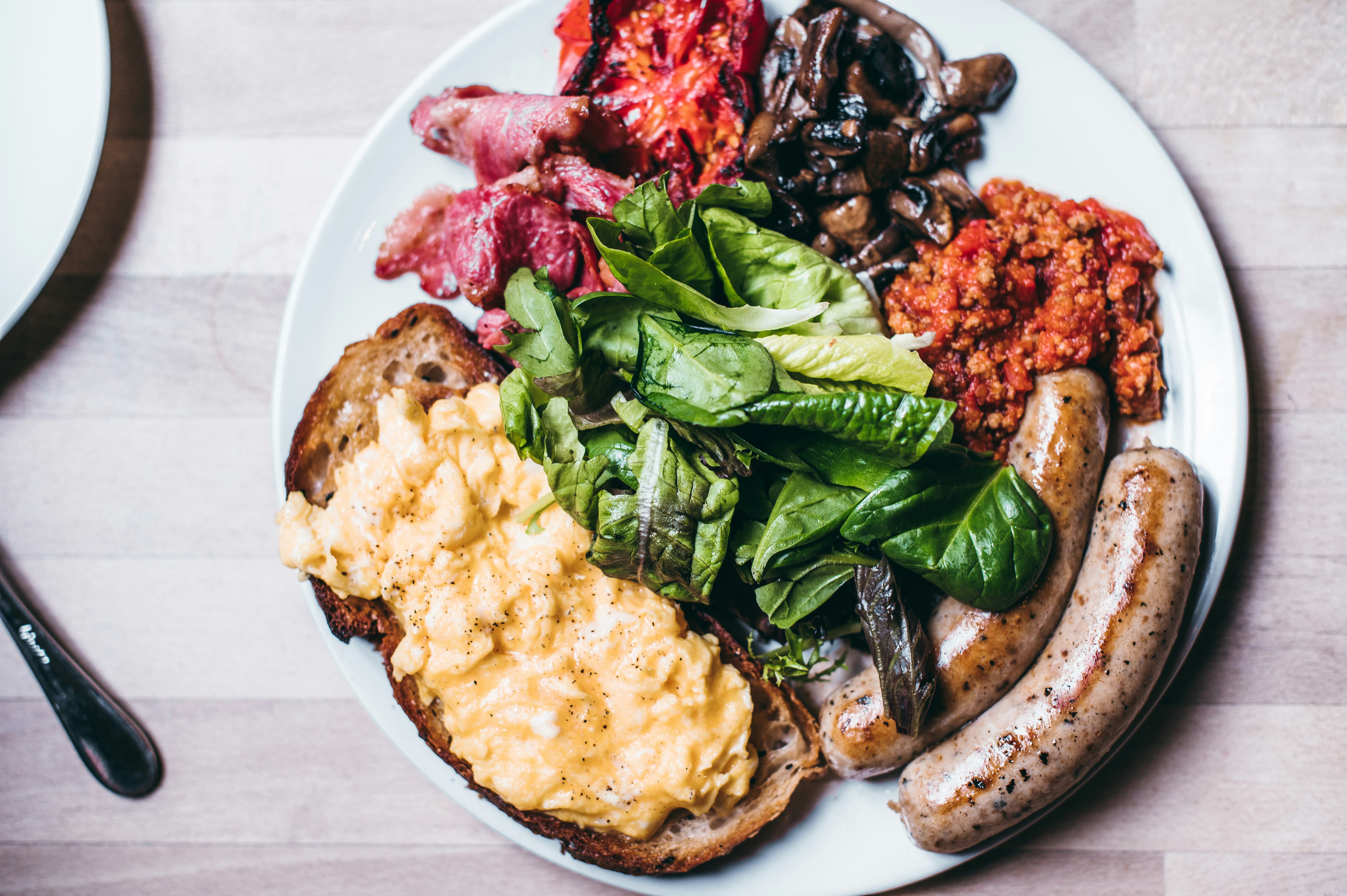
Introduction to High-Protein Breakfasts
In recent years, the focus on high-protein breakfasts has gained traction, particularly among those seeking effective weight loss strategies. Starting your day with a meal rich in protein can significantly influence overall dietary habits and weight management. The essential role that protein plays in promoting satiety can’t be overstated; consuming a high-protein breakfast helps to curb hunger throughout the day, reducing the likelihood of unhealthy snacking or overeating during lunch.
Thank you for reading this post, don't forget to subscribe!Protein’s influence on metabolism is another critical factor in weight loss. When the body processes protein, it engages in a thermogenic effect, which aids in burning calories even after the meal is consumed. This thermic effect contributes to an elevated metabolic rate, which can be beneficial for those aiming to shed pounds. Incorporating protein into breakfast can thus be an integral part of a weight-loss-friendly diet.
Moreover, the benefits of high-protein breakfasts extend beyond weight loss; they play a vital role in muscle maintenance and recovery, especially for individuals who engage in regular physical activity. Protein provides the necessary building blocks for muscles, ensuring that the body retains lean muscle mass during weight-loss efforts. Retaining muscle while losing fat is crucial, as it promotes a healthier body composition and can facilitate more sustained weight loss efforts over time.
These compelling reasons highlight the importance of integrating protein into our morning meals. With a diverse array of high-protein breakfast options available, individuals can easily find nutritious and tasty ways to start their day, ultimately aiding their journey toward healthier living and effective weight loss.
Top 15 High-Protein Breakfast Recipes
Starting the day with a nutritious and high-protein breakfast is essential for overall health and particularly beneficial for those on a weight loss journey. Below is a curated list of fifteen high-protein breakfast ideas, each accompanied by primary ingredients and notable dietary considerations.
1. Greek Yogurt Parfait: Layers of Greek yogurt, mixed berries, and granola. This recipe offers approximately 20g of protein and is suitable for vegetarians.
2. Scrambled Eggs with Spinach: Scrambled eggs combined with sautéed spinach. Each serving packs about 18g of protein, and it’s gluten-free.
3. Protein Pancakes: Made with protein powder, bananas, and eggs. Each pancake contains roughly 15g of protein and can be gluten-free if using appropriate flour.
4. Quinoa Breakfast Bowl: Quinoa topped with boiled eggs, avocado, and salsa. This meal offers approximately 14g of protein and is vegan if eggs are omitted.
5. Chia Seed Pudding: Chia seeds soaked in almond milk and topped with fruit. This dish provides about 10g of protein, catering to gluten-free diets.
6. Tofu Scramble: Crumbled tofu with veggies, mimicking scrambled eggs. Each serving has around 15g of protein, making it an excellent option for vegans.
7. Overnight Oats: Rolled oats mixed with protein-rich nuts and seeds, providing roughly 12g of protein. Perfect for a busy morning.
8. Smoked Salmon Bagel: Whole-grain bagel topped with cream cheese and smoked salmon. Each serving contains approximately 21g of protein and is a fantastic choice for pescatarians.
9. Nut Butter Toast: Whole grain toast topped with almond or peanut butter, offering about 8g of protein. Best for vegetarians.
10. Breakfast Burrito: Eggs, black beans, and salsa wrapped in a tortilla. This burrito averages 24g of protein and can be made gluten-free with corn tortillas.
11. Cottage Cheese Bowl: Cottage cheese with fresh fruit and nuts gives around 20g of protein, suitable for gluten-free diets.
12. Protein Smoothie: Blending protein powder, spinach, banana, and almond milk provides roughly 30g of protein. A versatile, quick option.
13. Egg Muffins: Baked egg muffins filled with vegetables and cheese offer about 15g of protein per serving, easily customizable for dietary needs.
14. Ricotta on Toast: Ricotta cheese spread on whole grain toast, topped with honey or fruit. This dish contains approximately 12g of protein and is vegetarian-friendly.
15. Peanut Butter Banana Oatmeal: Oatmeal made with almond milk, topped with peanut butter and banana. Each bowl has around 15g of protein and fits into gluten-free plans.
This diversity in high-protein breakfast ideas ensures that individuals can enjoy a variety of flavors while adhering to their dietary preferences, all contributing to a successful weight loss regimen.
Tips for Making High-Protein Breakfasts
Beginning your day with a high-protein breakfast can set a positive tone for your overall eating habits. However, to maintain consistency and ensure that your breakfasts remain enjoyable, consider a few practical tips. Meal prepping is one of the most effective strategies. Preparation can include cooking large batches of proteins such as eggs, chicken breasts, or tofu ahead of time and storing them in the refrigerator for quick assembly during busy mornings. This approach not only saves time but also increases the likelihood of adhering to your dietary goals.
Additionally, ingredient swaps can significantly enhance the protein content of your meals. For example, substituting traditional grains like oatmeal with protein-rich alternatives such as quinoa or adding Greek yogurt to smoothies can elevate the protein level while keeping the dish flavorful. Incorporating protein shakes or bars can also provide a convenient option when time is limited.
To keep breakfasts interesting, consider varying your protein sources. Rotate between animal proteins like eggs and turkey, and plant-based options such as lentils and nut butters. This variety not only enhances the nutrient profile but prevents breakfast fatigue. Furthermore, strive to balance protein intake with other macronutrients such as healthy fats and carbohydrates to create well-rounded meals. Including avocados, nuts, or whole-grain wraps can contribute to sustained energy levels, effectually aiding weight loss endeavors.
Lastly, remember to listen to your body and align your breakfast choices with your individual dietary requirements and preferences. This mindful approach will help you sustain your high-protein breakfast habits and maintain a healthy lifestyle.
Conclusion and Benefits of High-Protein Breakfasts
Incorporating high-protein breakfasts into your morning routine can yield significant benefits, particularly for those seeking weight loss. As discussed throughout this blog post, a meal rich in protein not only fuels the body but also promotes a feeling of fullness. This satiety can help curb mid-morning hunger pangs, reducing the likelihood of unhealthy snacking later.
Furthermore, the metabolic advantages of high-protein breakfasts should not be overlooked. Engaging in protein-rich meals can increase the thermic effect of food, meaning your body burns more calories during the digestion process. By experimenting with the various breakfast ideas outlined, individuals can find options that resonate with their taste preferences and lifestyle while still aligning with their health goals.
It is essential to remember that breakfast is a crucial part of one’s daily nourishment, and starting the day with a protein-packed meal can set a positive tone for the hours ahead. The recipes highlighted in this blog post vary in ingredients and preparation methods, offering something for everyone. Whether you are looking for a quick smoothie or a more elaborate omelet, having a variety of options can help maintain motivation on your weight loss journey.
We encourage readers to share their favorite high-protein breakfast recipes and tips, turning meal planning into a communal activity. Integrating these nutritious meals into your daily routine can enhance your overall health, support weight loss objectives, and contribute to a balanced diet. Ultimately, adopting a high-protein breakfast is a simple yet effective strategy to foster a healthier lifestyle.

