
Understanding Your Pantry and Storage
Evaluating the contents of your pantry and refrigerator is a crucial step in cooking nutritious meals with limited ingredients. By taking stock of what you have on hand, you can make informed decisions about which foods can be combined to create balanced and satisfying dishes. Start by checking the grains you have, as they serve as an excellent base for many meals. Common options include rice, pasta, quinoa, and various types of beans. Each of these provides essential carbohydrates and can be easily paired with a variety of other ingredients.
Next, assess your canned goods. Items such as tomatoes, beans, and vegetables can be incredibly versatile. For instance, canned tomatoes can be transformed into sauces, added to soups, or used as a base for stews, enriching your meals with flavor and nutrients. Beans are not only a good source of protein but also offer fiber, helping to make your meals more filling.
Spices and condiments should also be given a thorough examination, as they can elevate the simplest of dishes. A well-stocked spice rack allows you to experiment with flavors, turning basic ingredients into something exceptional. For example, a pinch of oregano can liven up a pasta meal, while a sprinkle of cumin can add depth to a grain-based dish.
Lastly, consider the fresh produce you have available. Vegetables and fruits can be the stars of your meal when they are in season. Not only do they provide color and texture, but they are also essential for your health, providing vitamins and minerals that are vital for your body.
By understanding the assortment of food items in your pantry and refrigerator, you can create nutritious meals that make the most out of what is available. This approach not only enhances your cooking creativity but also promotes sustainability and reduces food waste.
Creative Meal Ideas with Minimal Ingredients
Creating nutritious meals with limited ingredients can be both an art and a science. By utilizing versatile staples such as rice, beans, and pasta, home cooks can whip up flavorful dishes without needing a fully stocked pantry. These ingredients not only serve as a base for meals but also allow for a multitude of combinations with available vegetables and proteins.
One excellent example is a one-pot rice dish, which can be adapted based on what is on hand. Start by sautéing onions and garlic in olive oil; then add rice and broth, along with any vegetables like peas, carrots, or bell peppers. This method not only simplifies cleanup but also integrates flavors effectively, allowing each ingredient to shine.
Beans are another fantastic option when working with limited items. They are nutritious, filling, and can be used in a variety of ways. For a quick meal, consider a bean salad, which can be thrown together with canned beans, chopped tomatoes, onions, and a simple dressing of olive oil and vinegar. This dish is not only quick but also provides a balance of protein and fiber.
Pasta is also a versatile choice that can make mealtime simple. A straightforward pasta primavera can be made by boiling your favorite pasta and tossing it with seasonal vegetables such as zucchini, spinach, and bell peppers, finished with a sprinkle of parmesan cheese for added flavor. This dish can be prepared in under thirty minutes and utilizes whatever vegetables are available.
These meal ideas showcase how to make the most out of minimal ingredients while fostering creativity in the kitchen. By combining various staples with what’s at hand, anyone can prepare delicious and nourishing meals despite a limited selection.
Enhancing Flavor without Fresh Ingredients
When fresh ingredients are limited, there are numerous alternative methods to elevate the flavor profile of your meals. One of the simplest yet effective techniques is the use of various spices. Spices can transform bland food into a culinary delight, providing depth and complexity to dishes. For instance, a dash of paprika can add warmth, while cumin offers an earthy tone. Similarly, cinnamon can enhance sweet dishes, imparting a comforting aroma.
Dried herbs are another excellent option when fresh ones are unavailable. Herbs like oregano, thyme, and basil can bring a robust flavor to your meals without the need for fresh varieties. When using dried herbs, it is advisable to crush them slightly in your hand before adding them to the dish, as this releases their essential oils, enriching the overall taste.
Frozen herbs can also serve as a convenient substitute for fresh ingredients. Many grocery stores offer frozen herb blends that can easily be incorporated into various recipes. This not only preserves the essence of the herb but also provides a consistent flavor experience. Additionally, ensuring that you have a well-stocked pantry of marinades and sauces can significantly enhance the taste of your meals. Soy sauce, barbecue sauce, and pesto are just a few examples of condiments that can elevate simple dishes. Marinating proteins or vegetables before cooking can infuse them with flavors that evoke a sense of freshness.
Finally, don’t overlook the power of toppings and garnishes such as pickles, hot sauces, or flavored oils. These elements can provide a delightful kick that compensates for the lack of fresh ingredients, making every meal satisfying and palatable. By being innovative with spices, dried herbs, sauces, and condiments, you can craft flavorful meals even under the constraints of limited ingredients.
Meal Prep Tips for Future Emergencies
When it comes to meal preparation, being proactive can make a significant difference, especially when the refrigerator is running low on food. The key is to develop strategies that will allow you to create nutritious meals, even in challenging circumstances. One fundamental approach is to choose durable ingredients that have a longer shelf life. Selecting items like whole grains, legumes, canned vegetables, frozen fruits, and protein sources, such as eggs or frozen fish, can ensure a steady supply of nutritious components, even when fresh options are limited.
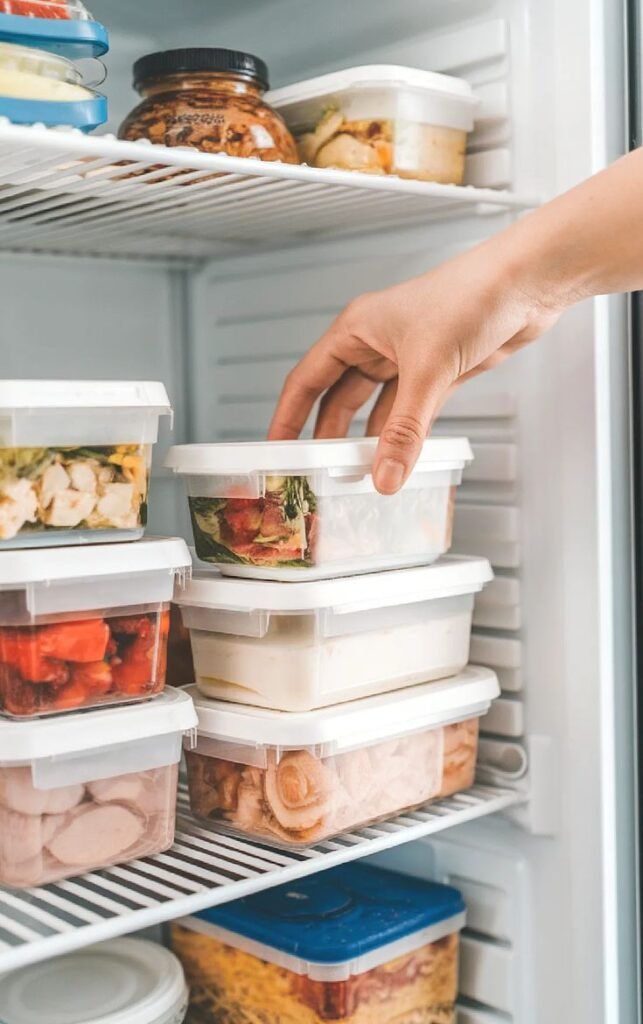
In addition to selecting durable ingredients, implementing efficient meal prepping techniques can streamline your cooking process. Allocate a specific day each week to prepare meals in bulk, which can help maximize time and reduce stress. For instance, cook a large pot of grains and batch-roast a variety of vegetables. These can be mixed and matched throughout the week, creating diverse meals without requiring extensive daily preparation. Label containers with dates to maintain freshness, and consider freezing portions for later use, preserving the taste and nutrients.
Moreover, creating a well-stocked pantry is essential for minimizing the impact when your fridge appears empty. Essential items to keep on hand include spices, canned goods, whole grains, and healthy fats like olive oil or nut butters. A well-organized pantry will not only save you time when cooking but also inspire creativity, allowing you to whip up meals from whatever is available. Regularly inventory your pantry and replace items that are running low to ensure that you are always prepared for unexpected situations.
By implementing these strategies—selecting durable ingredients, practicing efficient meal prep, and maintaining a well-stocked pantry—you can effectively navigate emergencies when your refrigerator is less than full. Being prepared will empower you to create nutritious and satisfying meals, showcasing the versatility and potential of limited ingredients.