
Understanding Balanced Meals
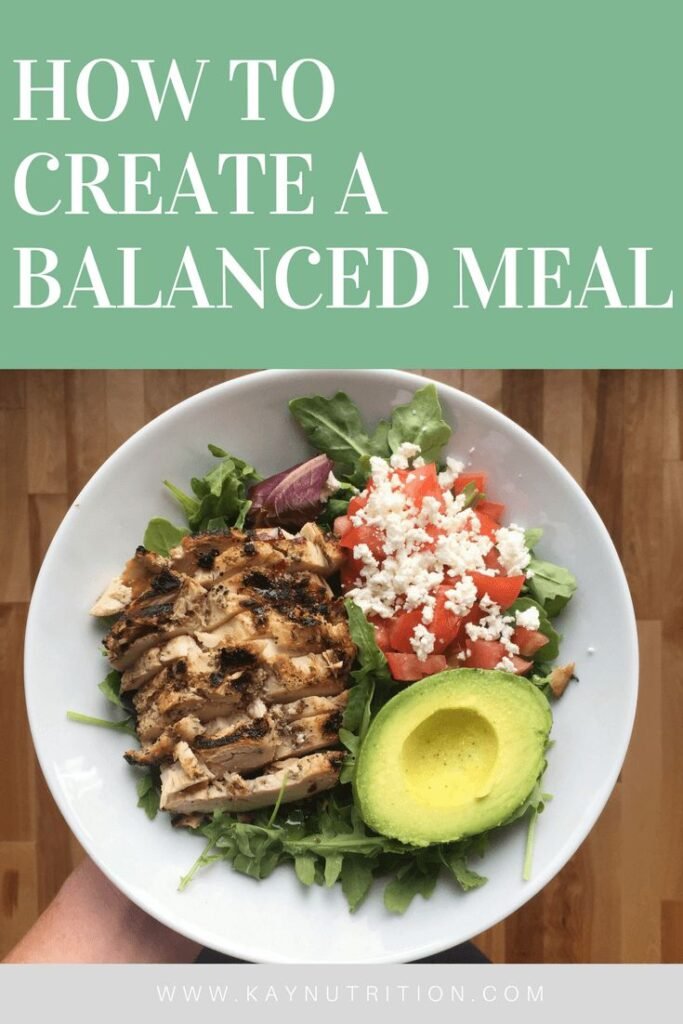
A balanced meal is one that provides the necessary nutrients required for optimal health and functioning. It generally consists of a combination of macronutrients and micronutrients, ensuring that the body receives the energy and substances it needs to thrive. The three primary macronutrients are proteins, carbohydrates, and fats, each serving unique and essential roles. Proteins are crucial for building and repairing tissues, while carbohydrates are the body’s primary energy source. Fats, though often misunderstood, are necessary for hormone production and nutrient absorption, making them a vital component of a healthy diet.
In addition to macronutrients, micronutrients, which include vitamins and minerals, are equally important. These nutrients support countless bodily functions, from boosting the immune system to facilitating the absorption of other nutrients. For instance, vitamin C is pivotal in collagen production, while calcium and vitamin D work together to maintain healthy bones. Therefore, understanding how to incorporate a variety of foods rich in both macronutrients and micronutrients is essential in crafting nourishing meals.
Variety and portion sizes in meals significantly influence nutritional balance. Consuming a diverse array of foods ensures that the body receives the broad spectrum of nutrients it requires for optimal health. For instance, incorporating different fruits and vegetables not only enhances the meal’s appeal but also maximizes the intake of various vitamins and minerals. Moreover, controlling portion sizes helps manage calorie intake, reducing the risk of overeating while still allowing for satisfaction from meals. Without mindful portioning, it can be easy to consume excessive quantities of even healthy foods, potentially leading to imbalances in energy intake and nutritional adequacy.
Ultimately, a well-rounded meal should strike a harmonious balance between the essential macronutrients and micronutrients while emphasizing variety and proper portion sizes. By doing so, individuals can enhance their overall health and well-being, making meal preparation both purposeful and fulfilling.
Essential Ingredients for Every Kitchen
Creating balanced and nourishing meals can be achieved with a selection of staple ingredients that are versatile and readily accessible. These ingredients not only provide the necessary nutrients but also simplify the cooking process, making wholesome meal preparation an effortless task.
First on the list are proteins, which are vital for muscle repair and overall health. Including sources such as eggs offers a quick and nutritious option for any meal; they are packed with essential amino acids and can be prepared in various ways. Additionally, beans are an excellent plant-based protein. They come in different varieties like black beans, chickpeas, and lentils, making them ideal for salads, stews, and grain bowls.
Equally important are grains, which serve as the foundation for many meals. Rice, being a staple in various cuisines, is not only filling but also complements a wide range of dishes. For a more nutrient-dense option, quinoa stands out due to its complete protein profile and high fiber content, making it an excellent substitute for traditional grains.
Next, incorporating a variety of vegetables can enhance the nutritional quality of meals. Leafy greens such as spinach and kale provide essential vitamins and minerals while adding vibrant color to plates. Seasonal vegetables like zucchini and bell peppers can also be used creatively in stir-fries or roasted as a delightful side.
Lastly, healthy fats are crucial for balanced nutrition. Ingredients like olive oil can be used for cooking or as a dressing base, while nuts offer an excellent crunchy addition to meals and are rich in beneficial fatty acids. By stocking these essential ingredients, one can easily prepare delicious and nourishing meals any day of the week.
Simple Meal Combinations
Creating nourishing meals doesn’t have to be a complicated task. With a variety of wholesome ingredients, one can easily craft simple yet delicious meal combinations that cater to different dietary needs and preferences. Here are some straightforward ideas for breakfast, lunch, and dinner that emphasize nutrition without compromising on flavor.
For breakfast, oatmeal is a versatile base that can be enriched with numerous toppings. Start with a bowl of cooked oatmeal and add sliced bananas and a sprinkle of cinnamon for sweetness and warmth. Alternatively, mix in some chopped nuts and a dollop of yogurt for added protein and healthy fats. Smoothies also serve as a quick breakfast option; blending spinach, banana, and almond milk creates a nutrient-dense drink that is both satisfying and energizing.
During lunch, consider a quinoa salad. Combining cooked quinoa with diced cucumbers, cherry tomatoes, and feta cheese creates a refreshing and nutrient-packed dish. Drizzle some olive oil and lemon juice for a zesty dressing. Another option includes a wrap filled with hummus, roasted vegetables, and spinach; it’s a great way to incorporate healthy fats and fiber into your meal while being easy to prepare.
For dinner, one can easily prepare baked salmon with a side of steamed broccoli and sweet potatoes. This meal offers an excellent balance of omega-3 fatty acids, vitamins, and carbohydrates. Another simple yet satisfying combination is whole-grain pasta tossed with olive oil, garlic, and seasonal vegetables such as zucchini and bell peppers. This dish provides complex carbohydrates while ensuring a variety of nutrients from fresh produce.
These suggested meal combinations are not only uncomplicated to prepare but also offer a diverse array of flavors and nutritional benefits, making it easier to nourish the body with wholesome, hearty meals.
Tips for Meal Planning and Preparation
Meal planning and preparation can be a transformative approach to creating balanced and nourishing meals with ease. By establishing a structured plan, individuals can optimize their time and resources while ensuring they eat healthily. Here are some practical tips to simplify this process.
One of the most effective strategies is batch cooking. This method involves preparing large quantities of food at once, which can then be stored in portions for future meals. By dedicating a few hours once a week to cook staple components such as grains, proteins, and vegetables, you can have ready-to-use ingredients that streamline the cooking process on busy days. For instance, cooking several servings of quinoa or brown rice can provide a versatile base for multiple dishes throughout the week.
Utilizing leftovers creatively is another valuable tactic. Leftover roasted vegetables can be repurposed into a delicious soup or incorporated into a frittata. Similarly, proteins such as grilled chicken or baked fish can be transformed into salads, sandwiches, or stir-fries. The key is to foster a mindset of versatility, allowing you to stretch your ingredients and minimize food waste.
An organized shopping list is essential for efficient meal preparation. Begin by assessing your pantry and fridge before making a list of required items based on your meal plan. This ensures that you purchase what you need while avoiding impulse buys or duplicate items. Additionally, grouping items on your list by category (produce, dairy, grains, etc.) can save time during your shopping experience, making it easier to navigate the store.
Ultimately, meal planning and preparation require a blend of strategy, creativity, and organization. By implementing these practical tips, you can make the task of crafting nourishing meals more manageable and enjoyable, enhancing your overall cooking experience.