
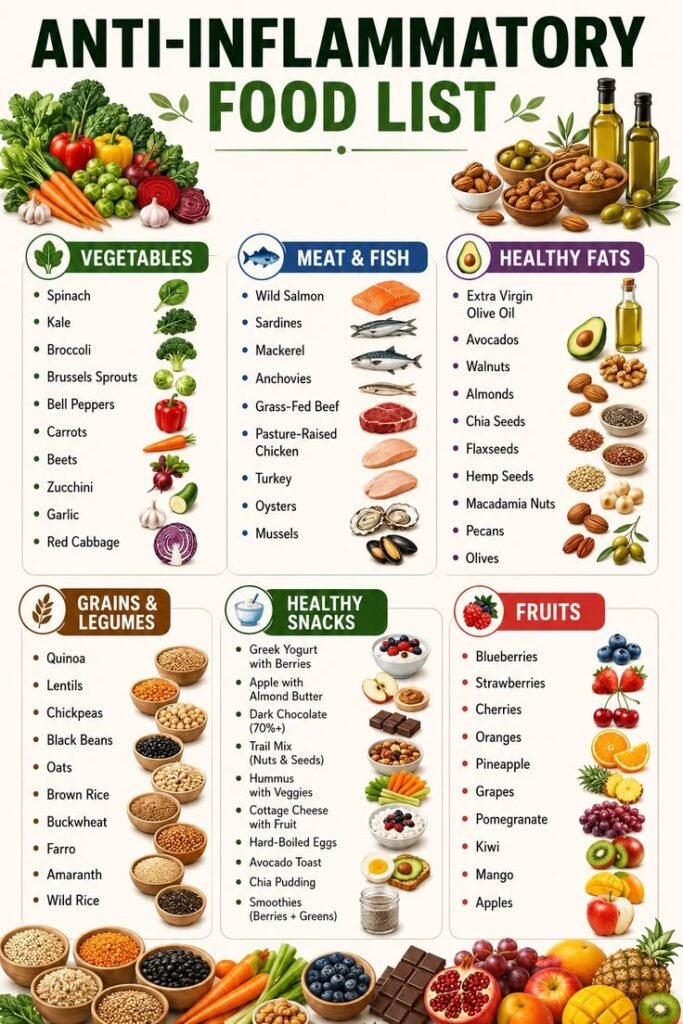
Understanding Inflammation and Its Impact on Health
Inflammation is the body’s natural defense mechanism, essential for healing and recovery from injury or infection. However, it is crucial to differentiate between acute and chronic inflammation. Acute inflammation occurs as a short-term response to harmful stimuli, such as pathogens or tissue injury, leading to localized swelling, redness, heat, and pain. This type of inflammation is generally beneficial, as it helps the body to heal and fight off infections.
In contrast, chronic inflammation is a prolonged inflammatory response that can last for months or even years. This persistent inflammation often arises when the immune system continues to trigger a response even after the initial threat has been eliminated. Chronic inflammation is associated with various health issues, including heart disease, diabetes, and arthritis, thus highlighting its potential to impact overall health significantly.
The mechanisms by which chronic inflammation contributes to disease are complex and multifaceted. For instance, it can promote the development of atherosclerosis by causing damage to blood vessels, leading to cardiovascular complications. In addition, chronic inflammatory conditions have been implicated in the pathogenesis of metabolic syndrome, which encompasses a range of disorders, including obesity and insulin resistance.
The relationship between inflammation and health underscores the importance of managing inflammation effectively. By addressing chronic inflammation through dietary choices, lifestyle modifications, and other interventions, individuals can potentially reduce their risk of developing serious health conditions. Understanding the impact of inflammation on health not only empowers individuals to make informed choices but also highlights the significance of dietary practices aimed at reducing inflammatory responses in the body.
Top Anti-Inflammatory Foods to Include in Your Diet
Nutrition plays a pivotal role in managing inflammation, which is linked to various chronic diseases. Incorporating specific foods that possess anti-inflammatory properties can significantly enhance everyday health. Below are several categories of food that have been backed by scientific research for their ability to reduce inflammation.
Fruits: Berries, such as blueberries, strawberries, and raspberries, are rich in antioxidants known as flavonoids. These compounds contribute to the reduction of inflammatory markers in the body. Citrus fruits, like oranges and grapefruits, are also beneficial due to their high vitamin C content, which helps combat oxidative stress.
Vegetables: Leafy greens, including spinach, kale, and collard greens, are excellent choices due to their nutritional density and high levels of vitamins E and K. Brassica vegetables like broccoli and Brussels sprouts contain sulforaphane, a compound renowned for its anti-inflammatory effects. Regular inclusion of these vegetables in salads or stir-fries can be beneficial.
Whole Grains: Whole grains such as oats, brown rice, and quinoa are preferable to refined grains. They contain fiber, which not only aids in digestion but also helps reduce inflammation. Switching to whole grain options in meals and snacks can offer profound health benefits.
Healthy Fats: Olive oil, particularly extra virgin, is well-regarded for its anti-inflammatory properties, owing to its high content of oleocanthal, a compound that mimics the effects of anti-inflammatory medications. Additionally, fatty fish, including salmon, mackerel, and sardines, are rich in omega-3 fatty acids, which have been shown to lower the risk of chronic diseases and overall inflammation.
Spices: Turmeric is a notable anti-inflammatory spice thanks to its active component, curcumin. Incorporating turmeric into dishes can not only enhance flavor but also boost health. Ginger is another potent anti-inflammatory herb that can be easily added to teas, soups, and smoothies.
By consciously including these foods in daily meals, one can create a balanced diet that promotes health through natural means. Properly preparing and combining these foods can lead to an enjoyable and health-enhancing eating experience.
How to Create Balanced Meals with Anti-Inflammatory Foods
Designing meals that prioritize anti-inflammatory foods is an effective approach to enhancing overall health and well-being. To create balanced meals, incorporating various food groups is essential while focusing on healthful ingredients known for their anti-inflammatory properties. Here are some practical tips to help optimize your meal planning.
First, aim to include a variety of colorful fruits and vegetables in every meal. These foods are rich in vitamins, minerals, and antioxidants that help combat inflammation. Options such as berries, leafy greens, and cruciferous vegetables like broccoli are ideal. When planning your meals, consider utilizing a rainbow of produce to ensure a wide range of nutrients.
Next, incorporate healthy fats, such as those found in avocados, nuts, and olive oil. These fats can assist in reducing inflammation while also providing essential fatty acids that the body needs. For protein, select options that are lean and rich in omega-3 fatty acids, such as fatty fish like salmon and plant-based proteins like legumes and quinoa.
Portion control plays a significant role in meal planning as well. Pay attention to serving sizes to maintain balance in your meals. A practical strategy is to fill half your plate with fruits and vegetables, one-quarter with protein, and one-quarter with healthy whole grains. This approach helps ensure that you are getting enough of the nutrients beneficial for fighting inflammation.
Incorporating simple recipes can make the implementation of anti-inflammatory foods easier. For instance, consider a quinoa salad loaded with spinach, tomatoes, and walnuts tossed with a dressing of olive oil and lemon. Such recipes are not only straightforward but also delicious ways to enjoy healthful ingredients. Another option is a stir-fry featuring an assortment of colorful vegetables and tofu cooked in sesame oil.
By focusing on these strategies, meal planning can become a task that supports health while effectively incorporating anti-inflammatory foods. Consistency in designing meals this way can lead to significant health benefits over time.
Lifestyle Changes to Complement a Diet Rich in Anti-Inflammatory Foods
While consuming anti-inflammatory foods is essential, integrating complementary lifestyle modifications can significantly enhance overall health and reduce inflammation. One of the most effective strategies is incorporating regular physical activity into daily routines. Exercise not only contributes to weight management but also helps in modulating the inflammatory response in the body. Engaging in activities such as walking, swimming, or cycling can boost circulation and improve immune function, thereby mitigating inflammation.
Equally important is the management of stress, which is often overlooked in discussions about inflammation. Chronic stress can lead to prolonged elevation of cortisol levels, further promoting inflammatory processes. Techniques such as mindfulness meditation, deep breathing exercises, and yoga can help alleviate stress, consequently fostering a healthier inflammatory response. Establishing a balanced work-life schedule that prioritizes relaxation can also play a pivotal role in managing stress effectively.
Moreover, the quality and quantity of sleep are crucial factors that influence inflammation. Adequate sleep helps regenerate bodily tissues and supports immune function. Inconsistent or poor-quality sleep can trigger inflammatory pathways, making proper sleep hygiene essential. Creating a tranquil sleeping environment, maintaining a consistent sleep schedule, and limiting screen time before bed can improve sleep quality.
Additionally, avoiding pro-inflammatory foods is a vital aspect of an overall health strategy. Processed foods, trans fats, and refined sugars can exacerbate inflammation and should be minimized in the diet. By focusing on whole, nutrient-dense foods while adopting healthy lifestyle practices, individuals can foster an environment conducive to reduced inflammation and improved health.