
Understanding the Importance of Reducing Salt
Reducing salt intake is a fundamental aspect of maintaining good health, primarily due to its direct correlation with several health issues. Sodium, a key component of salt, plays a significant role in the body’s functioning; however, excessive consumption can lead to serious health consequences. High sodium intake is closely linked to hypertension, which is a primary risk factor for heart disease and stroke.
Research indicates that diets high in sodium contribute to increased blood pressure. When sodium levels in the bloodstream rise, it leads to fluid retention, putting additional strain on the heart and blood vessels. This can culminate in various cardiovascular problems, including congestive heart failure, heart attack, and stroke. Consequently, monitoring and managing sodium intake is essential for preventing these conditions and promoting overall health.
Dietary guidelines recommend that adults limit sodium intake to no more than 2,300 milligrams per day. For individuals with existing health issues such as hypertension, a lower intake of around 1,500 milligrams is often advised. These guidelines aim to mitigate the risks associated with excessive sodium consumption. By adhering to such dietary recommendations, individuals can witness significant improvements in their blood pressure levels, leading to a reduced risk of developing heart-related ailments.
Beyond personal health benefits, reducing salt intake also alleviates the broader public health issues associated with cardiovascular diseases. As more individuals take conscious steps to lower their sodium consumption, the overall prevalence of hypertension and its related complications may decline. This collective effort can significantly enhance community health outcomes and reduce healthcare costs associated with treating preventable diseases.
Identifying High-Sodium Foods
Recognizing foods that are high in sodium is a crucial step in managing salt intake effectively. A significant portion of the sodium in the average diet comes from processed and packaged foods. These items often contain added salt for flavor enhancement and preservation. Common categories include snack foods such as chips, pretzels, and salted nuts, which can be deceptively high in sodium content.
Additionally, frozen meals and convenience foods tend to pack a considerable amount of sodium. These products, while often marketed as quick and easy meal solutions, can significantly contribute to daily sodium levels. Pizza, frozen dinners, and ready-to-eat meals frequently have sodium levels well above recommended limits.
Restaurant meals also represent a significant source of hidden sodium. Due to the cooking methods used and the flavoring techniques employed by chefs, dishes can be laden with salt. Foods like soups, sauces, and marinades can contain substantial amounts of added sodium, making it challenging for individuals to gauge their actual intake when dining out.
Condiments are another often-overlooked source of sodium in the diet. Items such as soy sauce, ketchup, mustard, and salad dressings can contain high levels of sodium. For example, just a tablespoon of soy sauce can contribute to nearly 1,000 mg of sodium, which is a considerable portion of the daily limit recommended by health authorities.
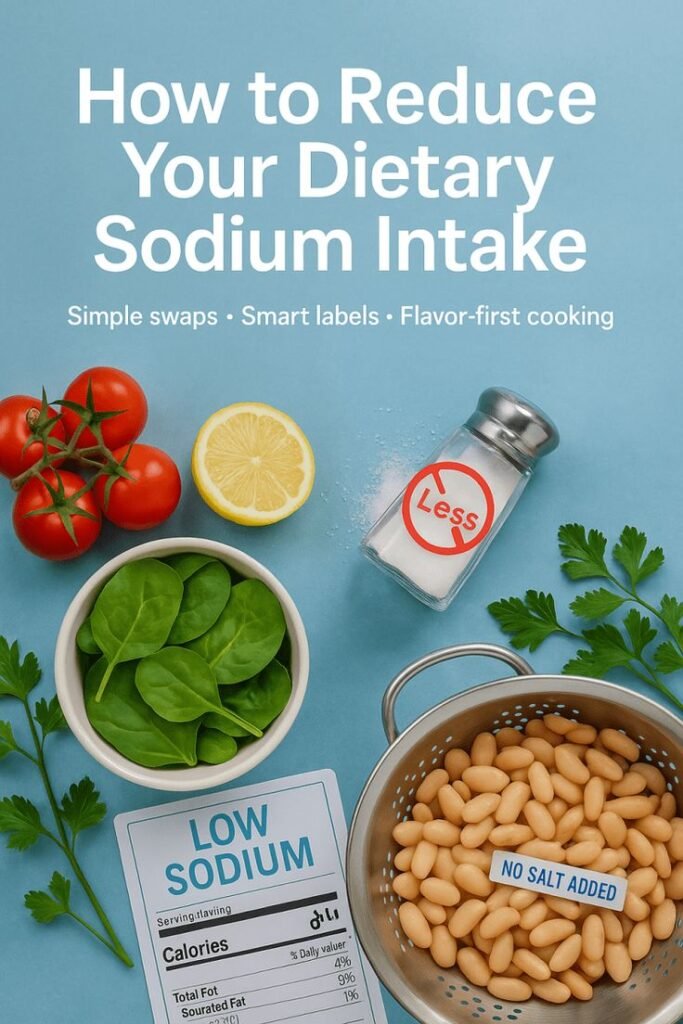
To help manage sodium intake, it is essential to read food labels carefully. Look for the sodium content per serving and choose products with lower sodium levels. Foods labeled as ‘low sodium’ or ‘no salt added’ can be beneficial alternatives when making dietary choices. Being mindful of ingredient lists can also help, as sodium-based preservatives often appear in various processed foods. By understanding and identifying high-sodium foods, individuals can make more informed dietary choices and effectively lower their salt intake.
Practical Tips for Lowering Sodium in Meals
Reducing salt intake is essential for maintaining optimal health, and there are numerous effective strategies to achieve this in everyday cooking. One of the most beneficial methods is to enhance flavor using herbs and spices. By incorporating fresh or dried herbs like basil, oregano, rosemary, and thyme, one can add a burst of flavor to dishes without the need for additional salt. Similarly, spices such as cumin, paprika, and black pepper can elevate the taste profile of various meals, making them satisfying and savory.
Another significant approach involves choosing fresh ingredients over processed options, as fresh fruits, vegetables, and meats naturally contain less sodium. When preparing meals, it is advisable to prioritize seasonal produce to ensure that the ingredients are not only fresh but also at their peak flavor. Additionally, utilizing a variety of cooking methods—such as grilling, roasting, or steaming—can create more robust flavors and textures, further reducing the reliance on salt.
Modifying favorite recipes to decrease sodium content is also a practical solution. One effective technique is to gradually reduce the amount of salt called for in recipes while experimenting with alternative flavor-enhancements. For instance, citrus juice or zest, like lemon or lime, can provide a zesty kick that compensates for the reduction in salt. Similarly, introducing a splash of vinegar can brighten dishes and add complexity without the need for salt.
Finally, it is beneficial to develop a habit of tasting meals throughout the cooking process. This habit encourages one to adjust flavors actively and explore creative combinations that may not require added sodium. By integrating these strategies into daily meal preparation, lowering sodium intake becomes an achievable and enjoyable goal. The emphasis on fresh ingredients, herbs, spices, and creative cooking techniques plays a pivotal role in creating flavorful meals while promoting a healthier lifestyle.
Long-Term Strategies for Maintaining Low Salt Intake
Maintaining a low sodium lifestyle requires intentional planning and consistent efforts. One practical approach is to engage in detailed meal planning, which allows individuals to prepare nutritionally balanced meals while managing sodium levels effectively. For instance, incorporating a variety of fresh vegetables, whole grains, and lean proteins while minimizing processed foods can significantly help in reducing salt intake. Consider preparing meals in bulk and using herbs and spices for flavoring instead of salt, as this not only enhances taste but also promotes healthier eating habits.
When dining out, making informed choices is crucial in maintaining a low sodium diet. Many restaurants now offer detailed nutritional information, enabling patrons to select dishes with lower sodium content. It is advisable to ask for dressings and sauces on the side, as these can often be high in salt. Moreover, requesting dishes to be prepared without added salt or seasoning allows for better control over sodium consumption. Being vigilant about these choices while eating out contributes significantly to maintaining dietary goals.
Consistency is another key element in long-term salt reduction. Establishing a routine that incorporates low sodium options regularly helps the palate adapt over time. Gradual adjustments can make the transition easier; for example, individuals can slowly decrease the salt used in cooking until their taste buds adjust. Over time, meals that were once perceived as bland may develop a more appealing flavor profile without the need for excessive salt.
In summary, employing these strategies—meticulous meal planning, informed dining choices, and the commitment to consistency—can lead to substantial long-term changes in one’s diet. With patience and persistence, individuals can effectively lower their sodium intake and improve their overall health.