
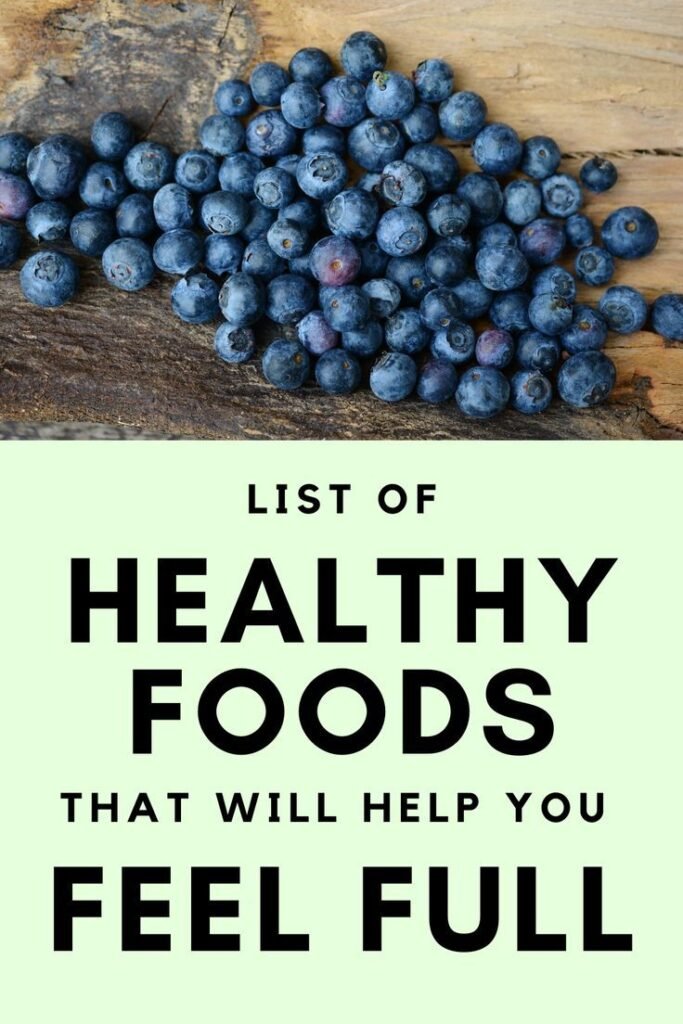
Introduction to Satiety Foods
Understanding the concept of satiety is crucial for anyone aiming to manage their hunger and maintain a healthy lifestyle. Satiety refers to the feeling of fullness that occurs after eating, which significantly influences our dietary habits and overall health. It plays a pivotal role in weight management, as a higher level of satiety can help prevent overeating and encourage healthier food choices.
Certain foods, by their very nature, are more effective in promoting this feeling of fullness than others. For instance, foods high in dietary fiber, protein, and healthy fats typically lead to a greater sensation of satisfaction post-consumption. They take longer to digest, which prolongs the feeling of fullness and can help regulate appetite. Conversely, foods that are high in sugars and unhealthy fats often provide a quick burst of energy but fail to sustain the feeling of satisfaction, leading to hunger soon after.
The importance of choosing the right foods cannot be overstated, especially for those seeking to control their weight and improve their overall health. Consuming a diet rich in satiety-inducing foods not only enhances feelings of fullness but also supports a balanced intake of essential nutrients. In addition, such foods can aid in curbing snacking and reduce the likelihood of turning to less nutritious options when hunger strikes.
In the following sections, we will explore specific foods that can help maintain satiety levels, ensuring that individuals remain satisfied and energized throughout the day, ultimately supporting their health goals. Approaching dietary choices with an emphasis on satiety can transform one’s relationship with food and promote a more balanced lifestyle.
Fiber-Rich Foods and Their Benefits
Fiber-rich foods play a crucial role in promoting a sense of fullness and satiety, making them essential components of a balanced diet. These foods can be broadly categorized into fruits, vegetables, whole grains, and legumes, each offering unique nutritional benefits that contribute to overall health.
Fruits, such as apples, bananas, and berries, are not only delicious but also packed with soluble fiber. This type of fiber dissolves in water, forming a gel-like substance in the stomach that slows digestion and helps maintain stable blood sugar levels. This process mitigates hunger pangs and promotes prolonged feelings of fullness, thereby assisting in weight management.
Vegetables, particularly those that are leafy or cruciferous like spinach, broccoli, and Brussels sprouts, are excellent sources of dietary fiber as well. Consuming a variety of vegetables helps provide bulk to meals, contributing to a lower caloric density which can be beneficial for those aiming to manage their weight. Additionally, these vegetables are rich in vitamins, minerals, and antioxidants that support overall health.
Whole grains, including oats, brown rice, and quinoa, are whole food options that offer both soluble and insoluble fiber. The insoluble fiber found in whole grains helps improve bowel health by promoting regularity and preventing constipation. Furthermore, whole grains have been linked to a reduced risk of chronic diseases, including heart disease and type 2 diabetes.
Legumes such as lentils, beans, and chickpeas are also formidable sources of fiber. High in protein and fiber, they not only keep you full but also contribute to muscle maintenance and overall satiety. Their versatile nature allows for incorporation into various dishes, making it easier to enhance your diet with these nutritious powerhouses.
In conclusion, incorporating a variety of fiber-rich foods into your diet can greatly enhance feelings of fullness, improve digestive health, and assist with weight management. Prioritizing these foods is an effective strategy for those looking to stay satisfied and maintain a healthy lifestyle.
Protein-Packed Options for Sustained Energy
Protein plays a crucial role in maintaining satiety and supporting overall health. High-protein foods, such as lean meats, dairy products, and plant-based proteins, provide essential amino acids that contribute to the body’s muscle retention, metabolism, and energy levels. Incorporating these protein-packed options into one’s diet can facilitate longer periods of fullness, helping to prevent overeating and enhance weight management.
Lean meats, including chicken, turkey, and fish, are excellent sources of quality protein. These foods not only deliver the necessary nutrients for muscle repair and growth but are also relatively low in fat. This combination makes them ideal for anyone aiming to maintain a healthy body composition while staying satisfied after meals. Furthermore, fish, particularly those high in omega-3 fatty acids, can provide additional benefits, including improved heart health.
Dairy products, such as Greek yogurt, cottage cheese, and low-fat milk, also serve as beneficial protein sources. They are rich in calcium and probiotics, which can aid in digestion and promote bone health. The combination of protein and fat in full-fat dairy can further enhance the feeling of fullness, making them a valuable addition to any diet.
For those preferring plant-based options, foods like beans, lentils, and chickpeas are excellent alternatives. These legumes are not only high in protein but also contain fiber, which contributes significantly to digestive health and satiety. Including a variety of these protein-rich foods in one’s daily meals can help maintain energy levels throughout the day while also promoting a feeling of fullness.
Incorporating various protein sources is essential for achieving balanced nutrition and sustained energy. Whether through animal or plant-based options, increasing protein intake can enhance overall dietary satisfaction, making it easier to adhere to a healthy eating plan.
Healthy Fats That Promote Fullness
Healthy fats play a crucial role in our diet not only for their nutritional benefits but also for their ability to enhance satiety. The consumption of healthy fats can significantly influence feelings of fullness, which is essential for effective weight management and overall well-being. Foods rich in healthy fats, such as avocados, nuts, and olive oil, are excellent choices that can help people feel satisfied after meals.
Avocados, for instance, are renowned for their high monounsaturated fat content, which is linked to various health benefits. These healthy fats are readily absorbed by the body and can slow down digestion, leading to prolonged feelings of satiety. Incorporating avocados into meals, whether in salads or spreads, can enhance not only the taste but also the fullness factor.
Nuts are another top source of healthy fats that contribute to satiety. Options such as almonds, walnuts, and pistachios are loaded with nutrients and beneficial oils. They stimulate the release of satiety hormones, which inform the body that it has received enough food. Including a handful of nuts as a snack or in meals can provide a substantial energy boost while sustaining you through long periods without food.
Additionally, olive oil, widely known for its health benefits, contains oleic acid, which has been shown to increase feelings of fullness. Using olive oil in cooking or as a dressing for salads can not only provide flavor but also aid in achieving a balanced sensation of satisfaction with meals.
The integration of these healthy fats into one’s diet is instrumental in promoting fullness and ensuring a balanced nutritional intake. Adequate fat intake is not merely about feeling full; it also helps in maintaining energy levels and supporting various bodily functions. Therefore, prioritizing healthy fats can be an effective strategy for those looking to feel more satisfied with their food choices without compromising on health.